
The Ultimate Guide to Kruger National Park
By Doris Woerfel · Southern Cross Experiences · March 2026
Kruger National Park is more than just a wildlife reserve — it is the heart and soul of the African safari experience. Spanning nearly 2 million hectares of untamed wilderness in northeastern South Africa, Kruger is home to the Big Five, over 500 bird species, and some of the most diverse ecosystems on the continent.
After 25 years of leading safaris through Kruger, I've come to know its hidden gems, its best-kept secrets, and the moments that make this park truly extraordinary. This guide shares everything you need to plan your perfect Kruger safari — whether it's your first visit or your tenth.
Why Kruger? What Makes It Special
Kruger isn't just one of Africa's largest parks — it's one of the most accessible and rewarding Big Five destinations in the world. Unlike many parks that require expensive charter flights and days of travel, Kruger is just a few hours' drive from Johannesburg or a short flight to Kruger Mpumalanga International Airport.
What sets Kruger apart is its extraordinary biodiversity. The park is home to 147 mammal species, 507 bird species, 114 reptile species, and 49 fish species. From the mopane woodland of the north to the thorn thickets of the south, each region offers a distinctly different landscape and wildlife experience.
The northern section of Kruger — from Shingwedzi to Pafuri — is far less crowded than the popular south. If you want an authentic, uncrowded safari experience, head north. The birding is exceptional, and the elephant herds along the Shingwedzi River are unforgettable.
Best Time to Visit Kruger
Kruger is a year-round destination, but the experience varies dramatically with the seasons.
Dry Season (May – September)
The classic safari season. Vegetation thins out, animals gather around water sources, and game viewing is at its easiest. Mornings can be chilly (5–10°C), but days are sunny and pleasant. This is peak season — book well in advance.
Green Season (October – April)
The landscape transforms into a lush green paradise. Newborn animals, spectacular birdlife (migratory species arrive), and dramatic afternoon thunderstorms. Fewer tourists, lower prices, and the park at its most photogenic. November to February is the "baby season" in Kruger.
My favourite time? November. The first rains have arrived, the bush is green, impala lambs are everywhere attracting predators, and the birdlife is extraordinary. Plus, you'll have many sightings almost to yourself.
Where to Stay: North vs. Central vs. South
Northern Kruger (Shingwedzi, Punda Maria, Pafuri)
The road less travelled. Fewer tourists, vast open landscapes, spectacular birdlife, and huge elephant herds along the rivers. Perfect for seasoned safari-goers seeking solitude and authenticity. The Shingwedzi River Drive is one of the most beautiful roads in the entire park.
Central Kruger (Olifants, Satara, Letaba)
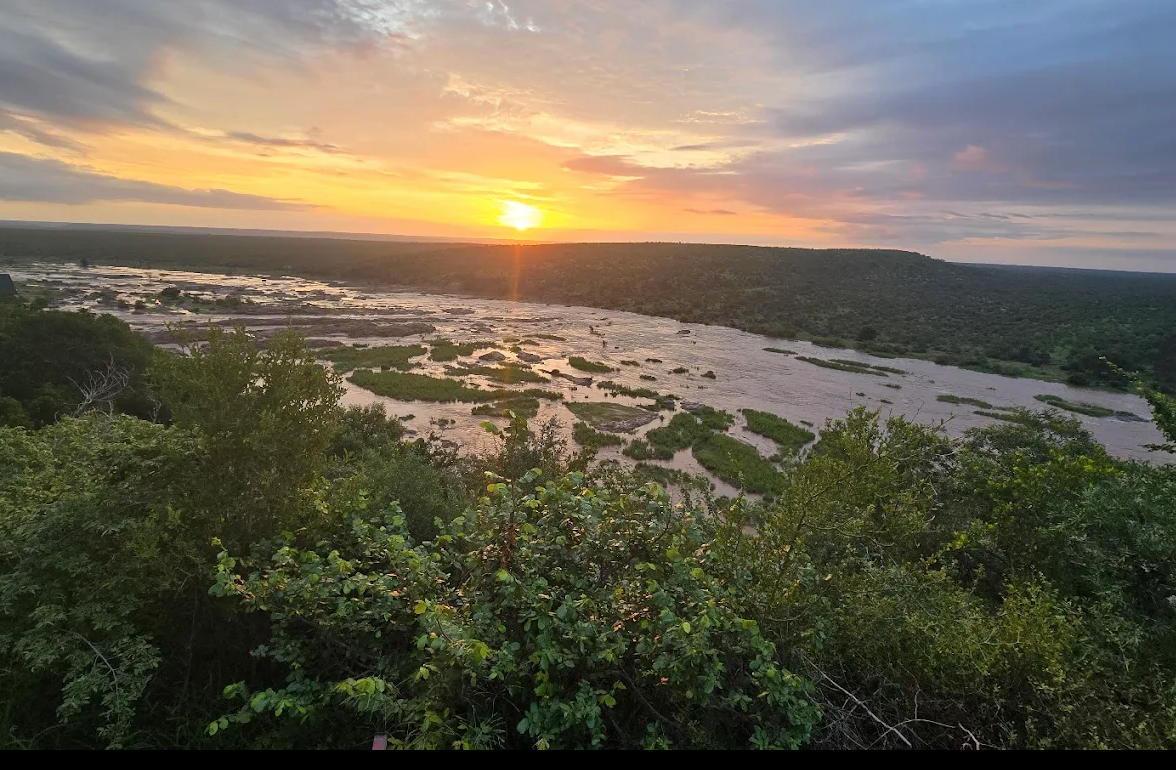
Olifants Rest Camp offers what many consider the most spectacular view of any rest camp in Africa — perched high above the Olifants River, with elephants, hippos, and crocodiles visible from the terrace. Satara is known as "cat country" — the open grasslands are prime territory for lion and cheetah.
Southern Kruger (Lower Sabie, Skukuza, Berg-en-Dal)
The most popular and accessible section. Dense wildlife populations, excellent road network, and proximity to Kruger Gate. Lower Sabie is legendary for leopard sightings along the Sabie River. If it's your first Kruger visit, the south is a safe bet.
The Big Five — Where to Find Them
Lion
Best around Satara and along the H1-3 road. The open grasslands are perfect hunting territory. Early morning is prime time.
Leopard
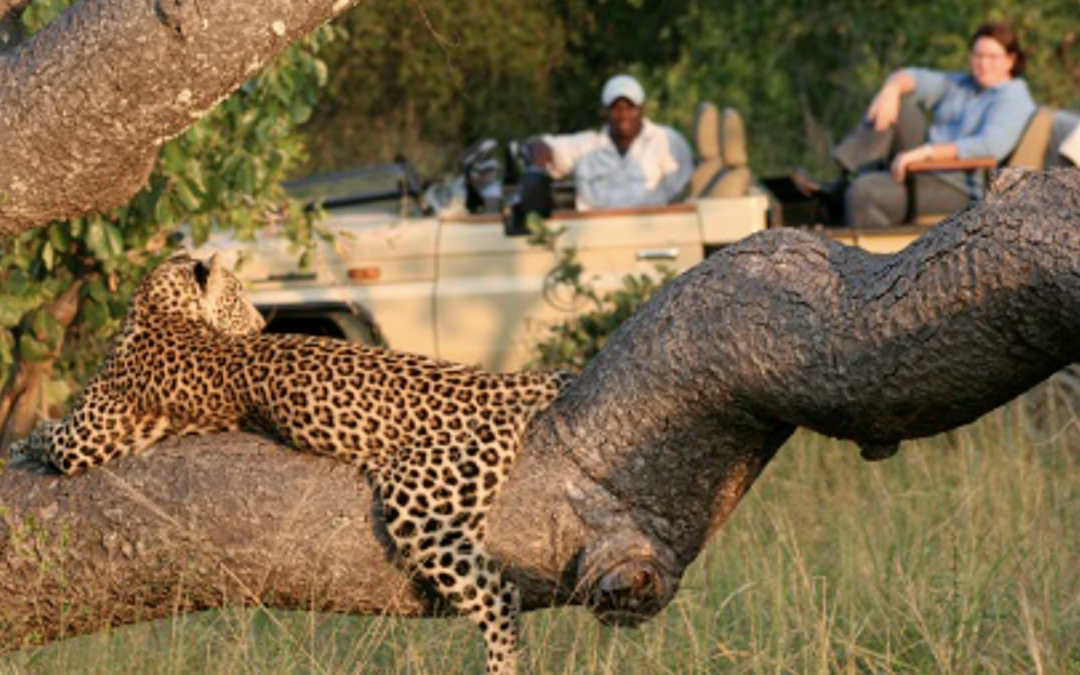
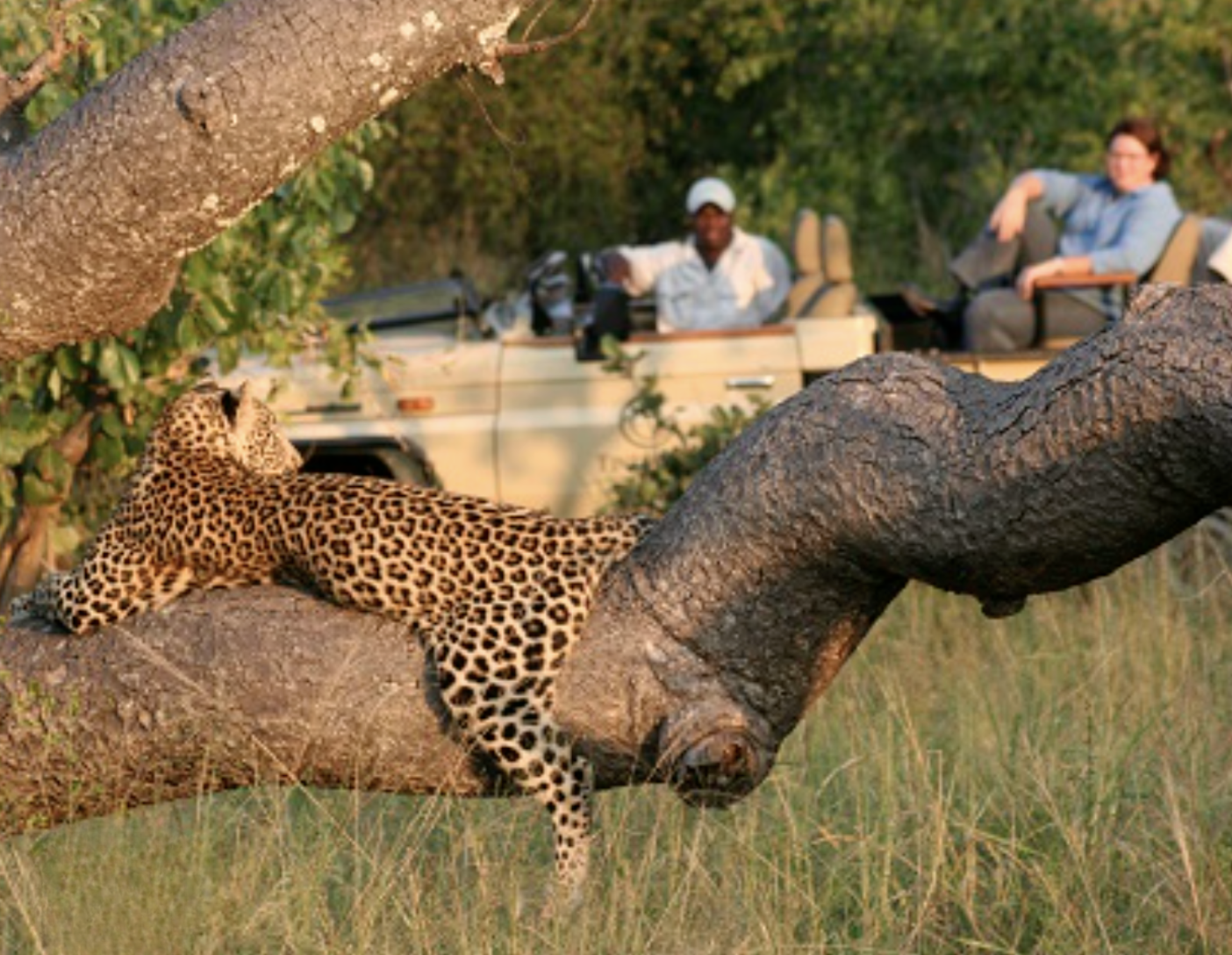
Lower Sabie and along the Sabie River. Look in large trees along riverbanks — leopards love to rest on branches during the heat of the day.
Elephant
Everywhere, but especially spectacular along the Shingwedzi and Olifants Rivers in the north and central sections. Herds of 50+ are common.
Rhino
Both black and white rhino are found in Kruger, though sightings have become rarer due to poaching. The south near Pretoriuskop offers good chances.
Buffalo are found throughout the park in large herds, particularly in the central and southern regions near water sources.
Forget the "Big Five checklist" mentality. Some of my most magical Kruger moments involved a family of dwarf mongooses, a lilac-breasted roller catching the morning light, or a herd of elephants silently crossing the road at sunset. Let Africa surprise you.
Private vs. SANParks Camps
SANParks Rest Camps (government-run) offer affordable, authentic accommodation inside the park — from camping to comfortable bungalows. You drive yourself and follow the park's road network. Gates open at sunrise and close at sunset.
Private Game Reserves (bordering Kruger with no fences) offer a luxury experience with expert ranger-guided game drives in open vehicles, bush walks, night drives, and exclusive access to areas most tourists never see. Lodges range from classic to ultra-luxury.
Both experiences have their magic. At Southern Cross Experiences, we often combine them — starting in a private reserve for guided Big Five encounters, then moving to a SANParks camp like Olifants or Shingwedzi for the authentic self-drive adventure.
Practical Tips for Your Kruger Safari
Fly to Kruger Mpumalanga International Airport (KMIA) from Johannesburg (1.5 hours), or drive from Johannesburg (4–5 hours via the N4). We recommend the drive — the Panorama Route through Mpumalanga is one of South Africa's most spectacular roads.
Kruger is a malaria area. Consult your doctor before travelling and take prophylaxis. Use DEET-based insect repellent and wear long sleeves in the evening. The risk is highest in the wet summer months (November–March).
Neutral-coloured clothing (khaki, olive, beige), binoculars (essential!), a good camera with at least a 200mm lens, sunscreen, a warm fleece for early morning drives, and a sense of wonder.
Let Us Show You Kruger
At Southern Cross Experiences, Kruger is our home turf. We've been guiding safaris through this extraordinary park for over 25 years — from the misty mornings of Shingwedzi to the golden sunsets over Olifants River. Whether you're looking for a privately guided Big Five safari, a self-drive adventure along the Panorama Route, or a combination that includes the beaches of Mozambique — we'll design the perfect Kruger experience for you.
Contact Doris and her team to start planning your Kruger safari.
Plan Your Kruger Safari