Trans-Saharan Trade Routes - Morocco

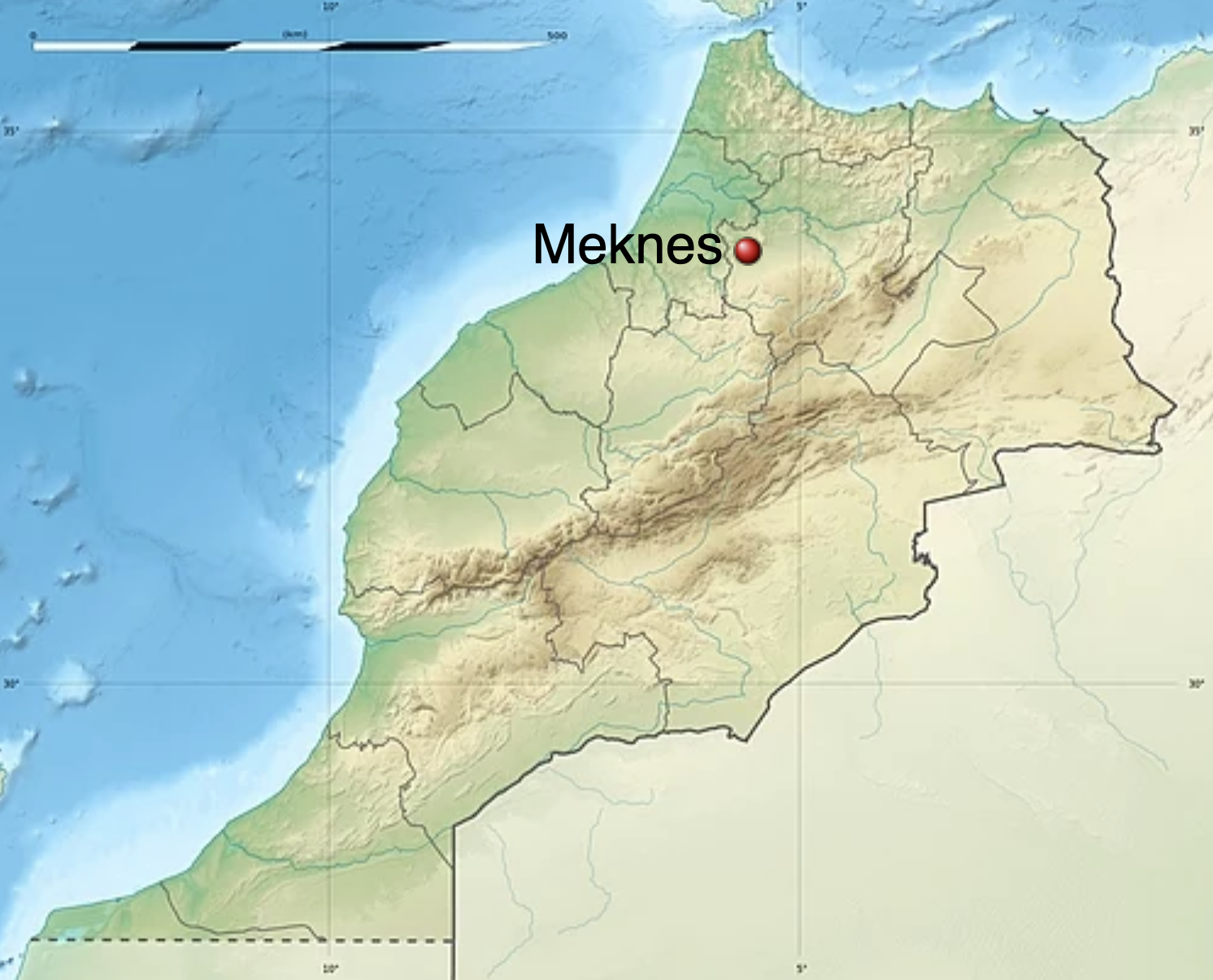
Medina of Rabat - Oudaias Kasbah - Hassan Tower - Mausoleum of Mohammed V - Chellah - Historic City of Meknes - Archaeological Site of Volubilis - Medina of Fez

The Cultural Influence of the Trans-Saharan Trade Routes


The Trans-Saharan trade routes played a crucial role in shaping the cultural landscape of ancient civilizations. These routes, which connected North Africa with regions south of the Sahara Desert, facilitated not only the exchange of goods, but also ideas, technologies languages, artistic styles and religious beliefs between different societies.

One of the most significant cultural influences of the trans-Saharan trade routes was the spread of Islam. As Muslim traders traveled along these routes, they introduced Islamic beliefs and practices to the indigenous populations they encountered. Over time, many societies in West Africa adopted Islam as their religion, leading to the establishment of thriving Islamic communities in cities such as Timbuktu and Gao.

The spread of Islam also had a profound impact on the region's political and social structures, as Islamic legal and administrative systems were adopted by local rulers.

In addition to religion, the trans-Saharan trade routes also facilitated the exchange of artistic and architectural styles. The mud-brick mosques and palaces of Mali, for example, show clear influences from Islamic architecture, while the intricate patterns and designs found in West African textiles and pottery reflect the artistic traditions of the Arab world. These cultural exchanges not only enriched the artistic heritage of the region but also helped to create a sense of shared identity among the diverse peoples living along the trade routes.

Furthermore, the trans-Saharan trade routes played a key role in the development of cross-cultural communication and diplomacy. As merchants from different regions came into contact with one another, they had to navigate linguistic and cultural differences in order to conduct business. This led to the emergence of a common trade language known as "Arabic Fulfulde," which was used by traders from West Africa, North Africa, and the Middle East to communicate with one another. This lingua franca not only facilitated trade but also fostered greater understanding and cooperation between different societies.

Overall, the cultural influence of the trans-Saharan trade routes was profound and far-reaching, shaping the development of societies across North and West Africa. By facilitating the exchange of goods, ideas, and technologies, these routes helped to create a vibrant and interconnected network of civilizations that enriched one another through cultural exchange and collaboration. Today, the legacy of the trans-Saharan trade routes can still be seen in the diverse cultural traditions and artistic styles that have emerged in the region, demonstrating the enduring impact of this ancient network of trade and travel.

About Southern Cross Experiences PTY Ltd.

One of Africa's leading Specialized Safari and Cultural Experiences Companies


Are you ready to embark on the adventure of a lifetime?

Southern Cross Experiences is your ultimate gateway to unparalleled safaris and our new and unique product, the ancient trade route explorations across Africa.

Since our inception in the year 2000, we have emerged as one of Africa’s foremost specialists in safari adventures and destination management. Our deep-rooted expertise in developing Ancient Trade Routes in Africa as tourist destinations allows us to offer unique and enriching travel experiences that highlight the continent's rich history and vibrant culture.

Sustainable Tourism and Community-Based Experiences

At Southern Cross Experiences, we believe in responsible and sustainable tourism. We understand the importance of preserving Africa's natural beauty and supporting local communities. That's why we have integrated sustainable practices into all aspects of our operations.

Inspired by figures like Karen Blixen or Ernest Hemingway, who fell deeply in love with Africa, we invite you to feel the pulsating African heartbeat. Immerse yourself in the continent’s rich wildlife, diverse cultural heritage, and mystical folklore. Our meticulously crafted itineraries ensure an adventure where you will sync with the ancient rhythms of nature and become a part of its enduring legacy.

We have carefully curated a selection of the finest lodges, tented camps, and hotels to ensure that your stay is nothing short of extraordinary.

Choose from our professionally guided 4x4 Offroad Safaris across East and Southern Africa's premier national parks or embark on an awe-inspiring journey aboard our luxurious Cessna Grand Caravan aircraft, which offers both comfort and breathtaking aerial views.

Each destination has been selected to leave you awestruck, surrounded by the best wildlife reserves Africa has to offer.

Join us at Southern Cross Experiences, where luxury meets adventure, relaxation converges with culinary delights, and attentive service ensures a seamless safari experience. Embark on a journey that will not only fulfill your deepest wanderlust but will also leave you with cherished memories to last a lifetime.

Highlights:

UNESCO World Heritage Sites

Deserts

Medinas

Ancient Ruins

Bedouins

Historic Cities

Nomads

Archaeological Sites

Rock-Art

National Parks

Mausoleums

Dramatic Landscapes

Cultural Traditions

Centuries-Old Manuscripts

Touaregs


Duration: 10 days

Style: Locally and community-owned Accommodation

Destinations:

Morocco

Medina of Rabat - Explore the historic heart of the capital, including the Oudaias Kasbah.

Hassan Tower and Mausoleum of Mohammed V - Witness the grandeur of these iconic monuments in Rabat.

Chellah - Visit the ruins that blend Roman and Islamic heritage in Rabat.

City of Meknes 

Archaeological Site of Volubilis - UNESCO World Heritage Site 

Medina of Fez


 * The rates quoted are subject to change without prior warning if there are any increases in flight rates, park fees, sales tax or VAT, third-party services or any other circumstances beyond our control in the countries featured in this quote.

Welcome to the Ultimate 10-Day Luxury Guided Cultural Adventure

Embark on a Journey Through Time Along Morocco’s Legendary Trade Routes

Step into the soul of the Sahara as you journey through Morocco’s timeless landscapes—where golden dunes meet ancient cities and the whispers of caravans echo through history. This exclusive 10-day luxury self-drive cultural adventure invites you to explore the enduring legacy of the Trans-Saharan Trade Routes, rooted deeply in Moroccan heritage.

From the regal charm of Rabat’s Oudaias Kasbah to the imperial elegance of Meknes, Morocco unveils its rich history at every turn. Wander through the majestic Roman ruins of Volubilis, feel the pulse of tradition in vibrant medinas, and ride camels beneath the starlit skies of Merzouga, where the desert comes alive with stories of old.

But this isn’t just a road trip—it’s a soulful expedition. Immerse yourself in hands-on cultural experiences: learn the secrets of Moroccan cuisine in traditional cooking classes, discover the rhythms of local music, and engage with artisans keeping ancient crafts alive. Whether you're exploring age-old ksars or savoring mint tea in sun-drenched courtyards, each moment is an invitation to connect more deeply with Morocco’s living history.

Join us and follow in the footsteps of merchants and mystics across breathtaking desert landscapes. This is more than travel—it’s a pilgrimage through the heart of Morocco, where every grain of sand holds a story, and every breeze carries the spirit of adventure.

Book now to secure your place on this unforgettable 10-day Moroccan cultural odyssey!

Click here to Enquire Now:

Itinerary

DAY 1 - 2

Marrakesh, Morocco 
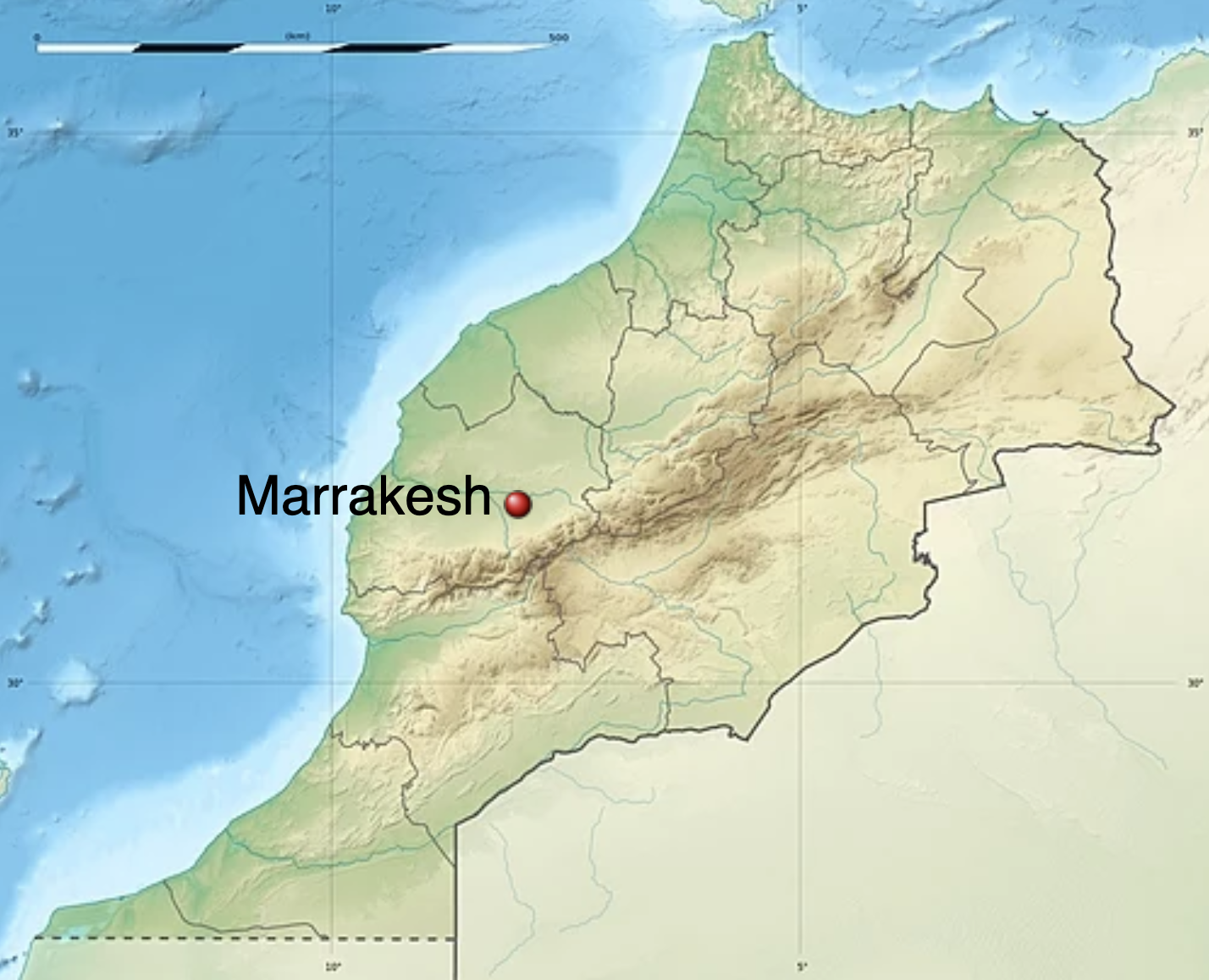
Day 1: Arrival in Marrakesh, Morocco

  • Accommodation: Community-owned guesthouse in the Medina
  • Activities: Rest and possibly a brief evening stroll around the vibrant Jemaa el-Fnaa Square.

Day 2: Exploring Marrakesh

  • Activities: Full day exploring Marrakesh’s key attractions such as the Medina, Koutoubia Mosque, the Saadian Tombs, Bahia Palace, and the vibrant souks.

DAY 2

Medina of Marrakesh                        (UNESCO World Heritage Site)
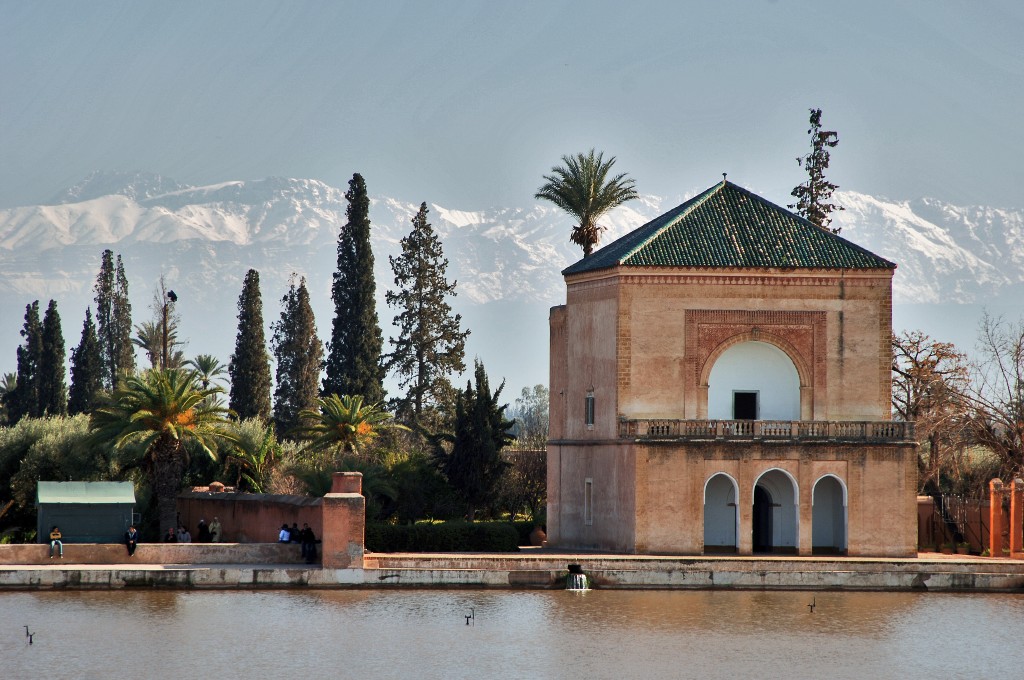
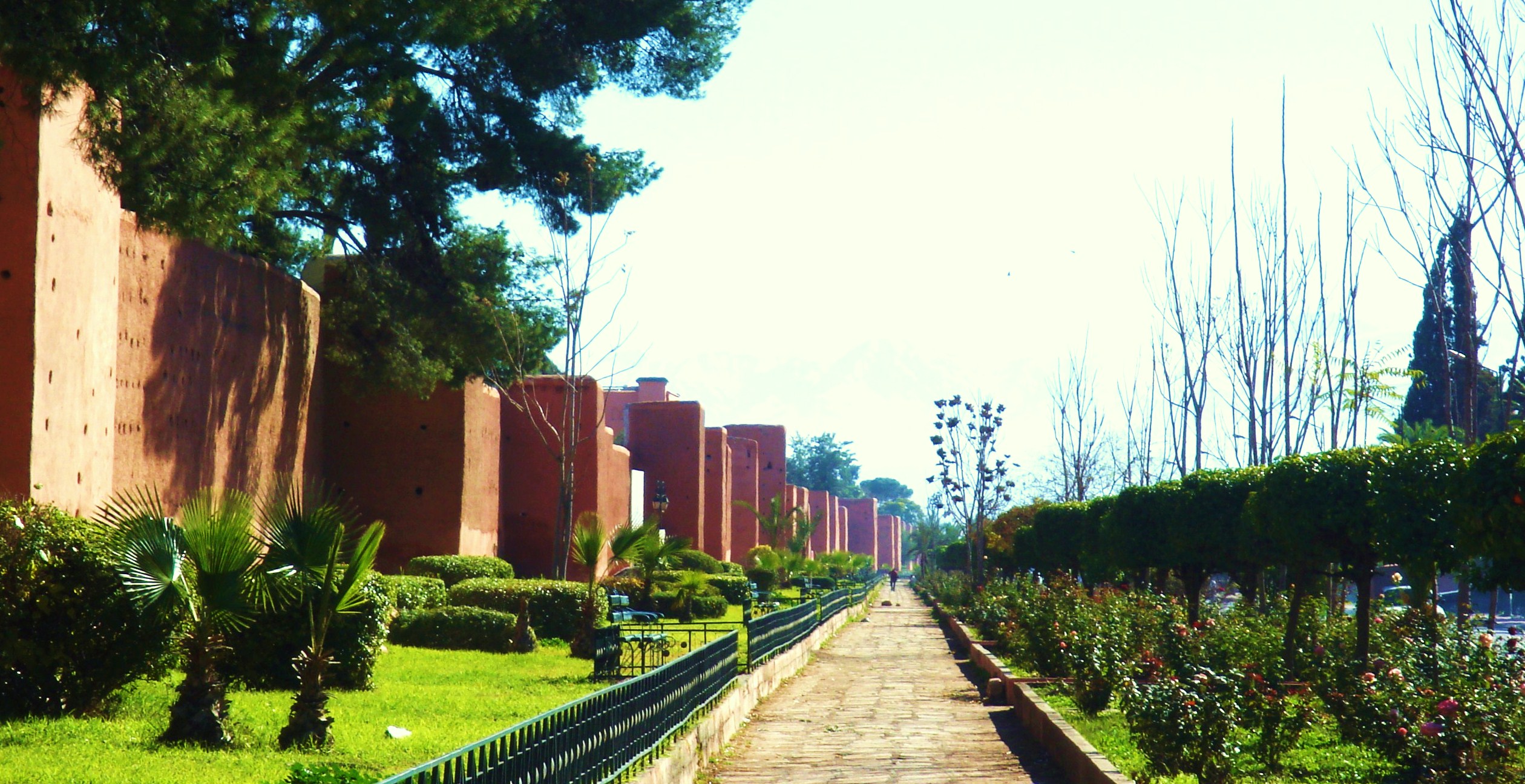
The Medina of Marrakesh, a UNESCO World Heritage site since 1985, is the historic heart of the city and a must-visit on any trip to Marrakesh. It is known for its vibrant souks (marketplaces), where you can find everything from spices and textiles to jewelry and pottery. This ancient district is enclosed by historic ramparts and gates, which date back to the Almoravid dynasty around the 12th century.

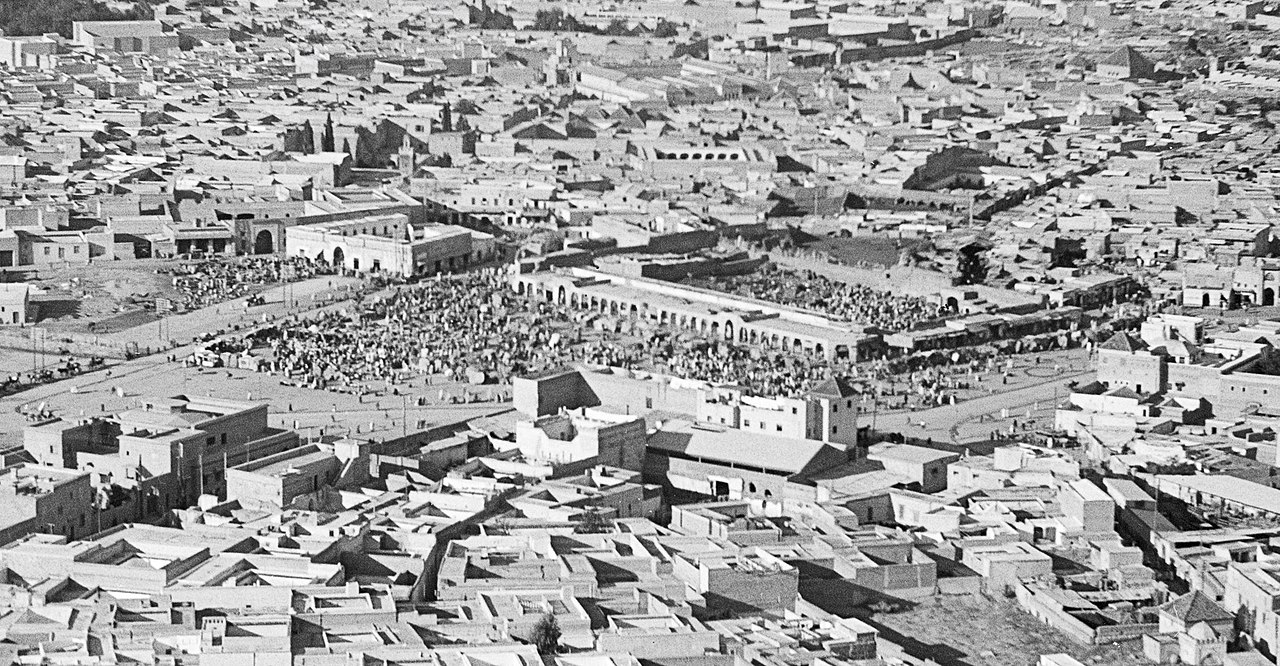
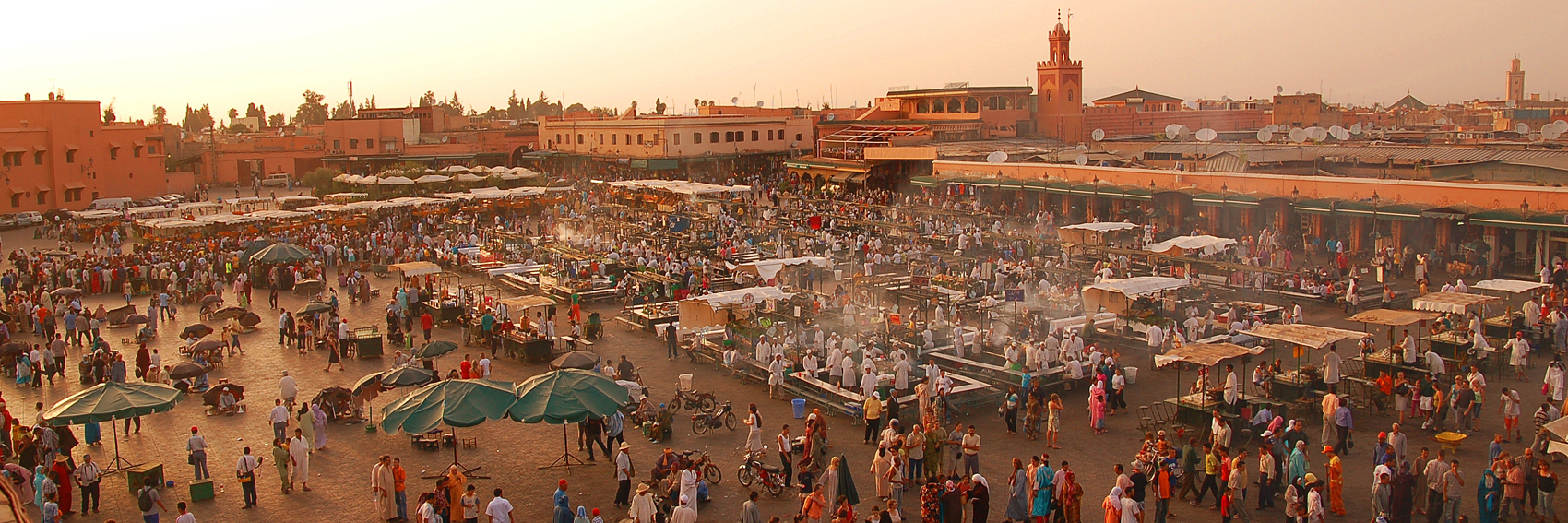
Visitors can explore winding alleys and bustling squares such as the famous Jemaa el-Fnaa, a lively hub especially come evening when it transforms into a large open-air dining area with street performers, storytellers, and local vendors. The medina is not only a center for commerce but also boasts many historical and architectural treasures, including palaces like the Bahia Palace and religious sites such as the Koutoubia Mosque, making it a profound cultural experience deeply rooted in Moroccan history and tradition.

Navigating the Medina can be a sensory overload with its colors, smells, and sounds, providing an authentic glimpse into the Moroccan way of life and a deep dive into the country's rich cultural heritage.

Role in the Trans Saharan Trade Route

The Medina of Marrakesh, established in 1070-72 by the Almoravids, has been a vital hub in the network of the Trans-Saharan Trade Routes [5]. Situated at a strategic location, Marrakesh served as the gateway to sub-Saharan Africa, facilitating the flow of goods, cultures, and ideas between the Maghreb and the deeper reaches of the African continent.

The city's development into a major trading center was instrumental in its rapid growth and its establishment as a cultural and spiritual beacon. The Medina itself, characterized by its ancient red walls and bustling souks, was the heart where merchants from across the desert would converge to trade gold, salt, and other valuable commodities, which were then distributed throughout Morocco and beyond [2].

The influence of Marrakesh and its Medina on the Trans-Saharan trade routes not only bolstered its economy but also enriched its culture, making it a melting pot of various traditions and practices brought in by the traders. This historical importance is reflected in the Medina’s architecture, with its palaces, mosques, and markets, which stand as testaments to its glorious past as a cultural and economic powerhouse on the ancient trade routes.

Day 2 

Jemaa El Fnaa - Medina of Marrakesh a Masterpiece of the Oral and Intangible Heritage of Humanity by UNESCO 
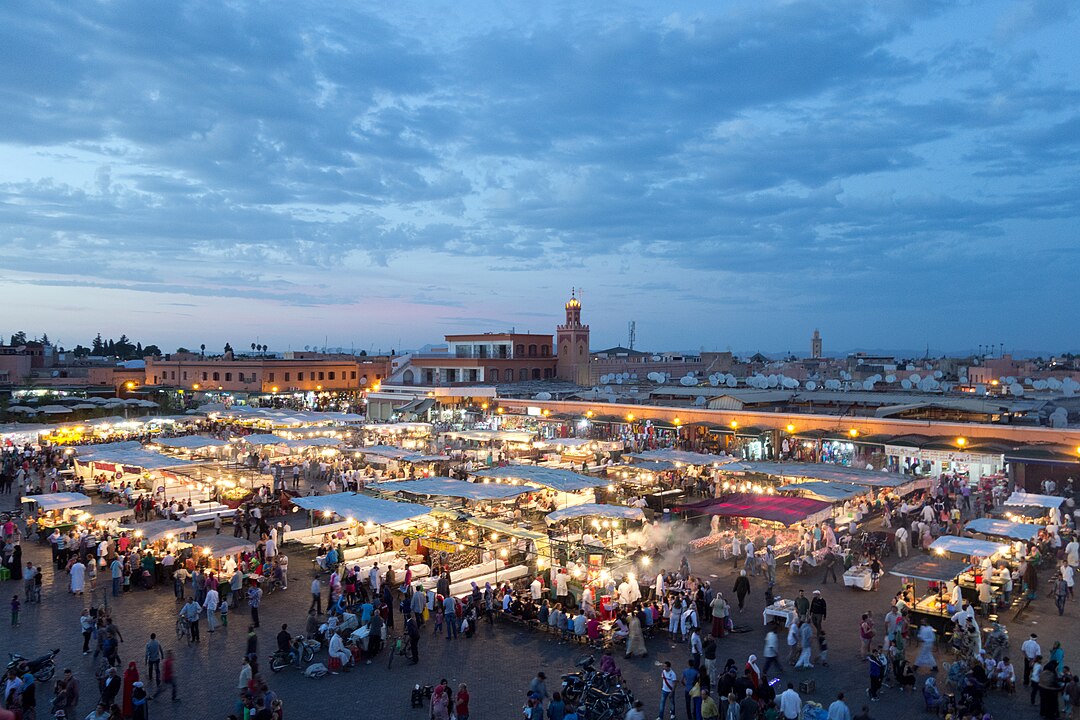
Jemaa El Fnaa is the iconic main square and market place in Marrakesh. Renowned as the cultural heartbeat of the city, this bustling square is a dynamic blend of colors, scents, and sounds. By day, it serves as a traditional market filled with snake charmers, acrobats, musicians, and myriad stalls selling everything from fresh orange juice to traditional Moroccan crafts. As night falls, the square transforms into a lively outdoor dining area, where locals and tourists alike gather around food stalls that serve a variety of Moroccan specialties.

Recognized as a Masterpiece of the Oral and Intangible Heritage of Humanity by UNESCO, Jemaa El Fnaa is not just a tourist destination but a living theater. It perpetuates traditional activities, including storytelling, Gnaoua music performances, and belly dancing, which contribute to the rich cultural tapestry of Morocco. The square's unique charm lies in its ability to merge the historical with the contemporary, offering an authentic glimpse into Moroccan life

Role in the Trans Saharan Trade Route

Jemaa El Fnaa, the main square in Marrakesh, historically played a significant role in the Trans-Saharan Trade Routes as a crucial social and commercial hub. While specific mentions of Jemaa El Fnaa in the context of the ancient trade routes are not extensively documented, the square's role as a gathering place for traders and travelers implies its importance. Marrakesh served as a key stop on the routes connecting sub-Saharan Africa with North Africa and beyond, facilitating the exchange of goods, cultures, and ideas.

The square would have been a vibrant marketplace where merchants from various parts of Africa and the Mediterranean world exchanged commodities such as gold, salt, spices, and textiles. The cultural interactions in Jemaa El Fnaa also contributed to the diffusion of knowledge, languages, and religious beliefs across the continents, with the square acting as a living theatre of Moroccan culture and a cross-continental market.

Thus, while not a trade route itself, Jemaa El Fnaa was integral to the socio-economic fabric of Marrakesh and by extension, to the networks that comprised the Trans-Saharan trade.

Day 2 

Koutoubia Mosque - Medina of Marrakesh
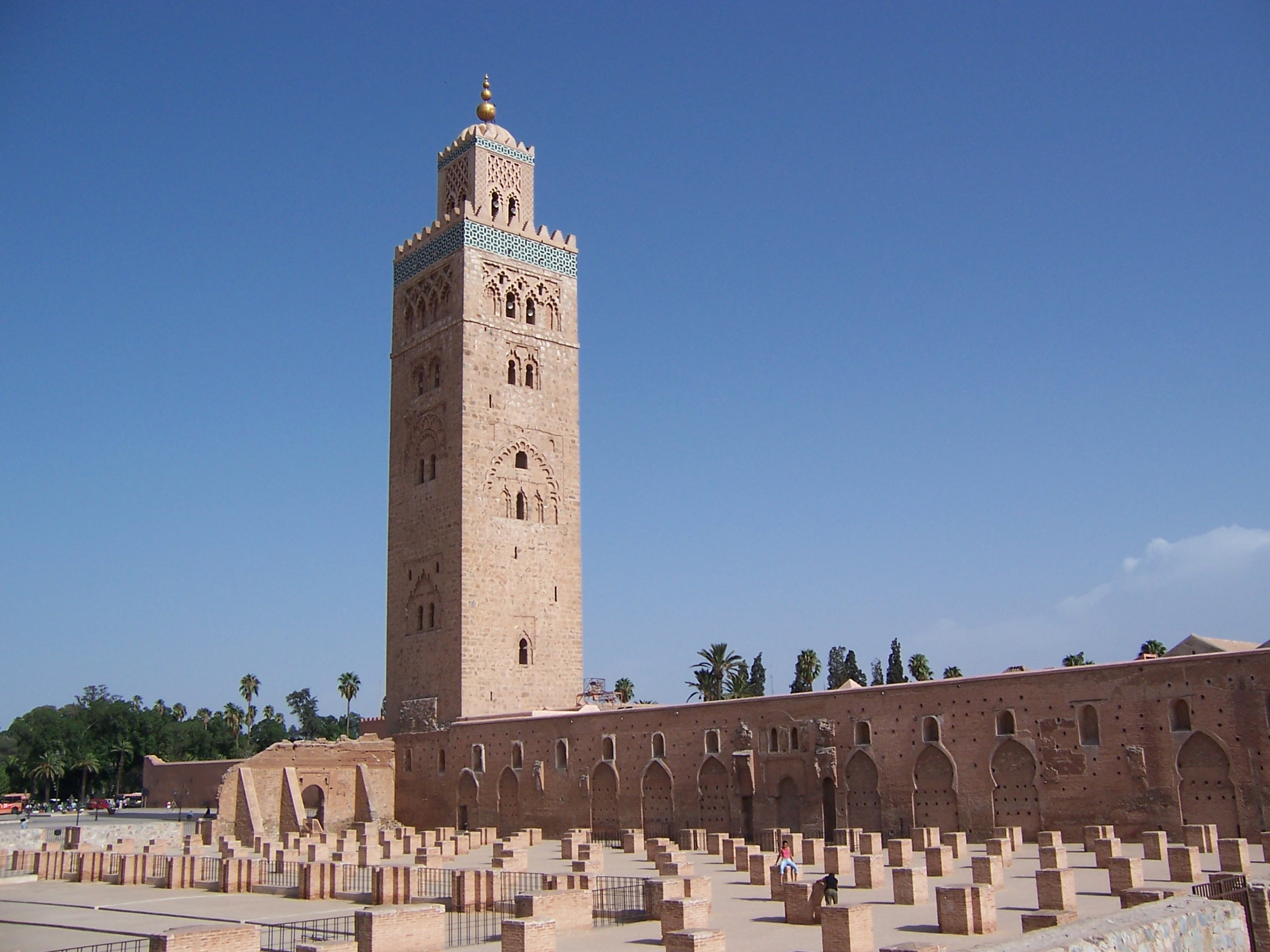
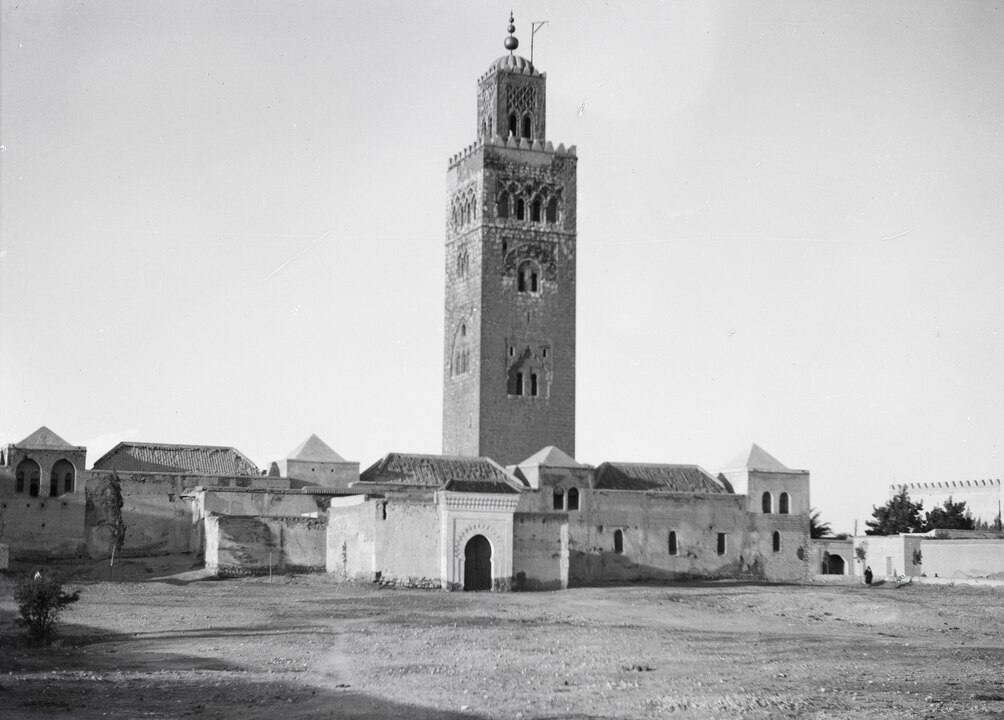
The Koutoubia Mosque is the largest mosque in Marrakesh and a defining symbol of the city's architectural and cultural heritage. Built during the 12th century under the reign of the Almohad Caliphate, construction began around 1147 and concluded by 1157.

Its name, derived from the Arabic word for bookseller ('kutubiyya'), reflects its historical proximity to a bustling market of manuscript traders.

The mosque is renowned for its magnificent 70-meter-high minaret, which is the tallest structure in Marrakesh and serves as a visual focal point of the city. The minaret is famed for its decorative arches and intricate ceramic tilework, characteristic of Moorish art, and serves as a model for other minarets in Morocco and Spain.

Located in the southwest part of the Medina, close to the bustling Djemaa el-Fna square, the mosque is not only a place of worship but also a popular tourist attraction due to its historical significance and architectural beauty. It is surrounded by gardens, which offer a tranquil escape from the city's busy streets.

Day 2 

The Saadian Tombs - Medina of Marrakesh 
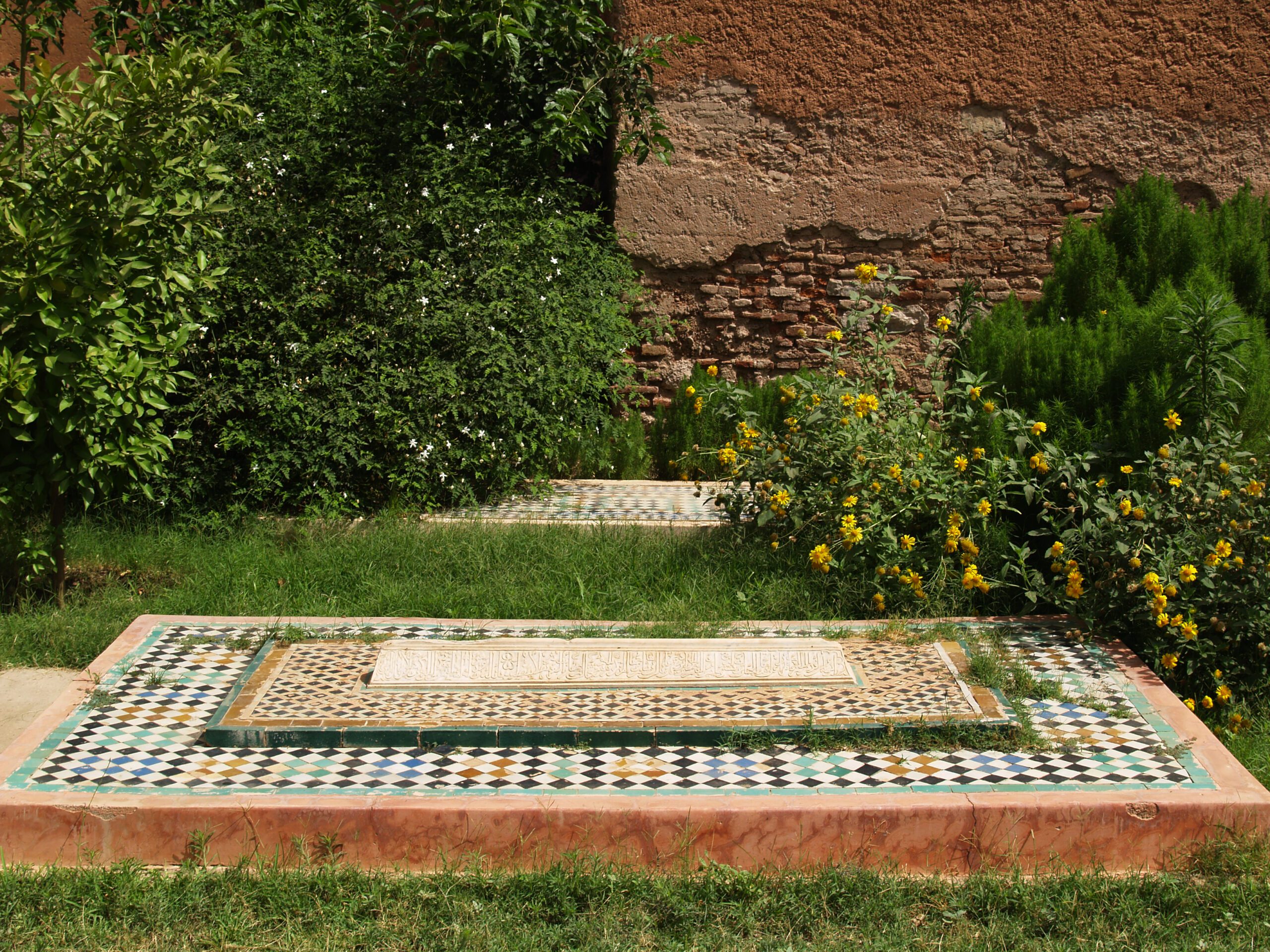
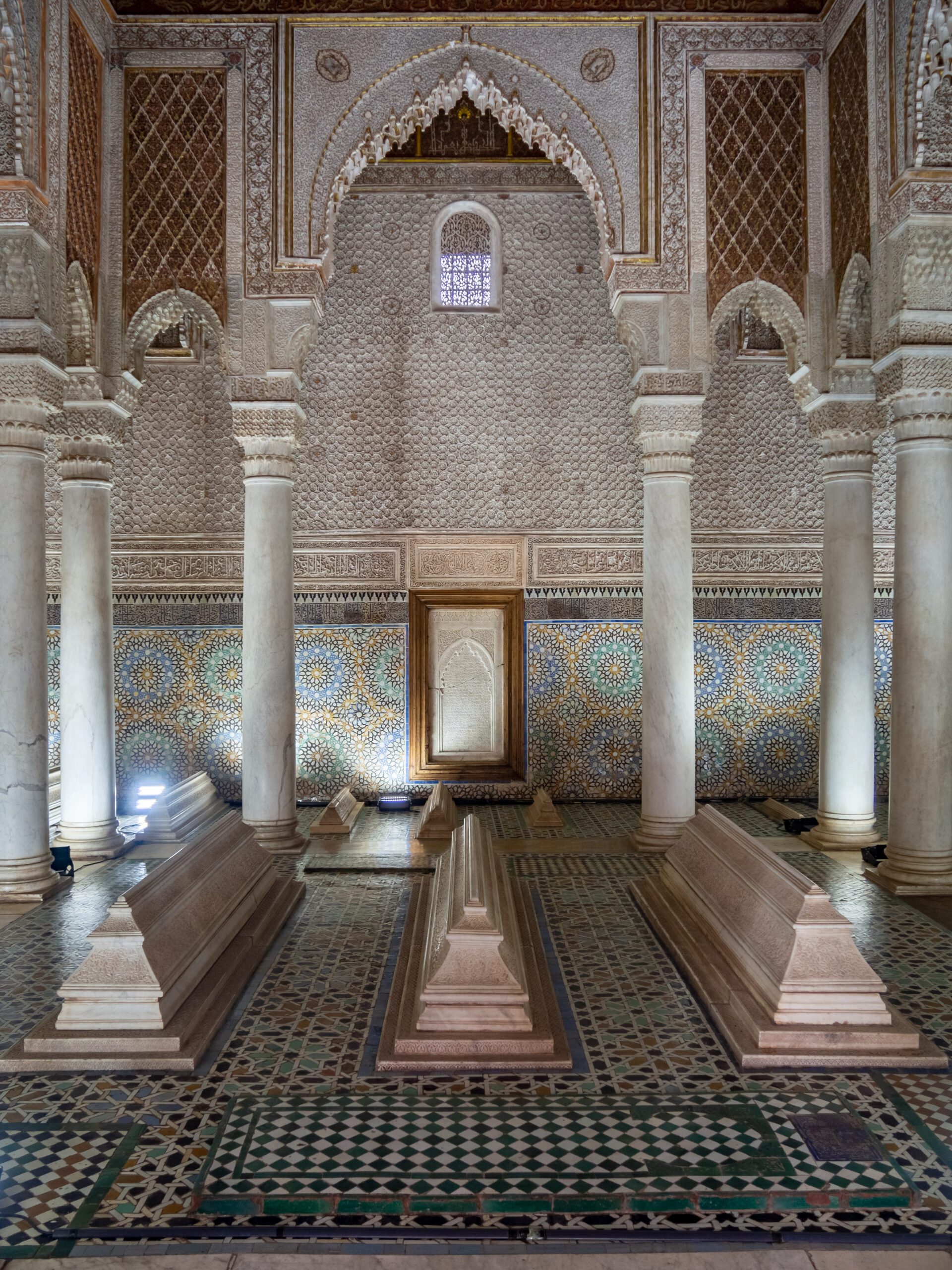
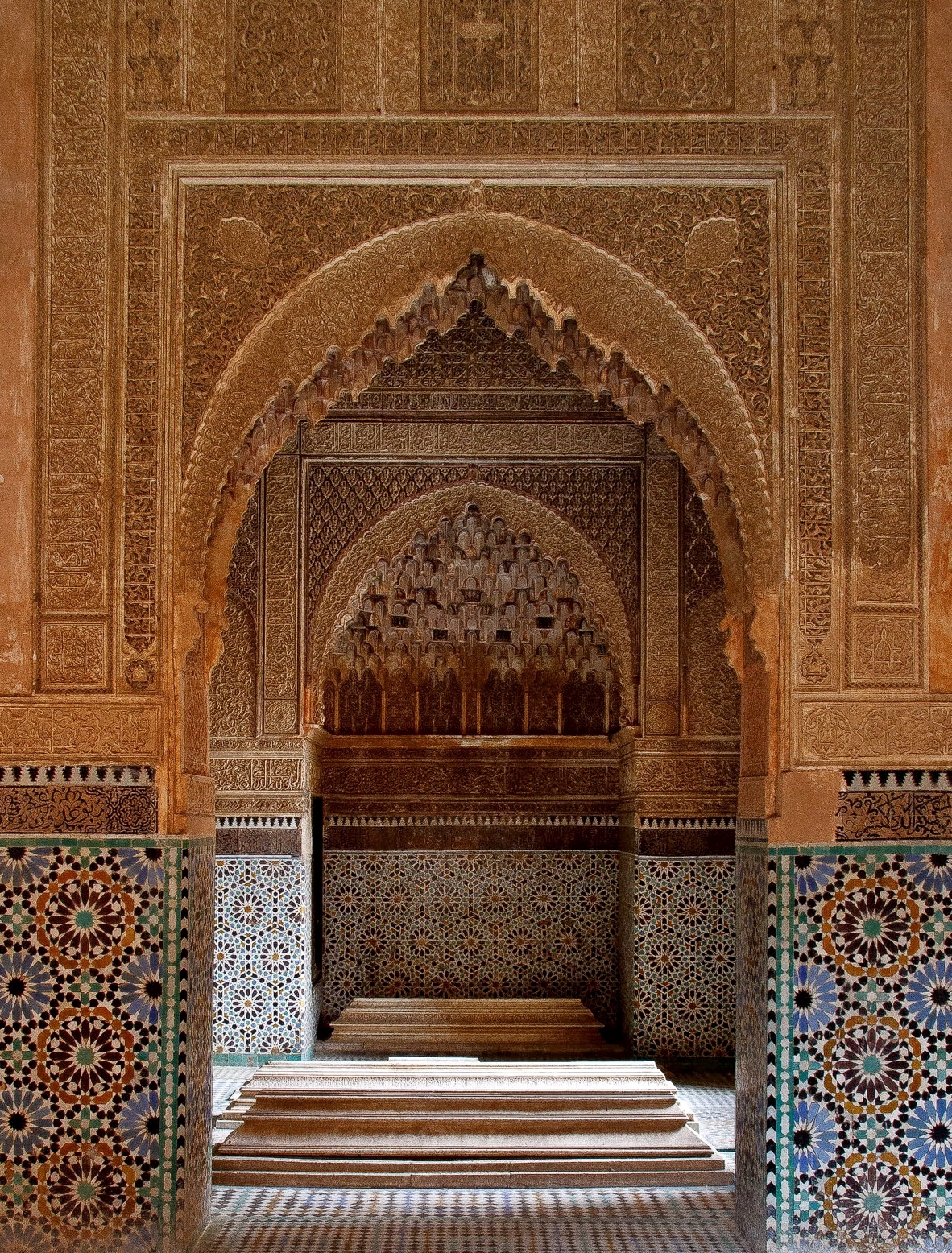
The Saadian Tombs in Marrakesh are a significant historical site, renowned for their intricate beauty and architectural significance. Built in the late 16th century during the reign of Sultan Ahmad al-Mansur of the Saadian dynasty, these tombs are a splendid example of Moroccan art and Islamic architecture. Located near the Kasbah Mosque, the tombs were designed to serve as the burial site for the sultan and his family, symbolizing their power and piety.

The site features two main mausoleums that contain the graves of about sixty members of the Saadi Dynasty. The most striking features include the use of imported Italian Carrara marble and finely carved cedar wood and stucco work, which showcase the exquisite craftsmanship. The decoration includes intricate mosaic tiles, which cover almost every surface, creating a visually stunning environment.

The Saadian Tombs were rediscovered in 1917, having been sealed off by Sultan Moulay Ismail, who sought to erase traces of the Saadian rule. Since their rediscovery, they have become a major attraction for visitors to Marrakesh, offering a glimpse into the city's rich history and the lavish lifestyle of its former rulers.

Role in the Trans Saharan Trade Route

The Saadian Tombs themselves did not play a direct role in the Trans-Saharan Trade Routes. However, the Saadian dynasty, under which the tombs were constructed, was heavily involved in the trade across the Sahara. The Saadian rulers, particularly Sultan Ahmad al-Mansur, who is buried at the tombs, greatly benefited from and promoted the Trans-Saharan trade, especially in gold and salt, which were key commodities of the era.

During the height of the Saadian rule in the late 16th century, the wealth generated from this trade helped to finance the lavish architectural projects in Marrakesh, including the Saadian Tombs. The tombs themselves are a reflection of the prosperity brought to the region by the Trans-Saharan trade. They exhibit rich decoration and craftsmanship funded by the wealth that trade routes brought to the Saadian sultans, symbolizing their power and the economic flourishing of their reign.

In essence, while the Saadian Tombs were not directly used in trade, they stand as a historical testament to the economic and cultural impact of the Trans-Saharan trade on Marrakesh and the Saadian dynasty.

Day 2 

The Bahia Palace - Medina of Marrakesh 
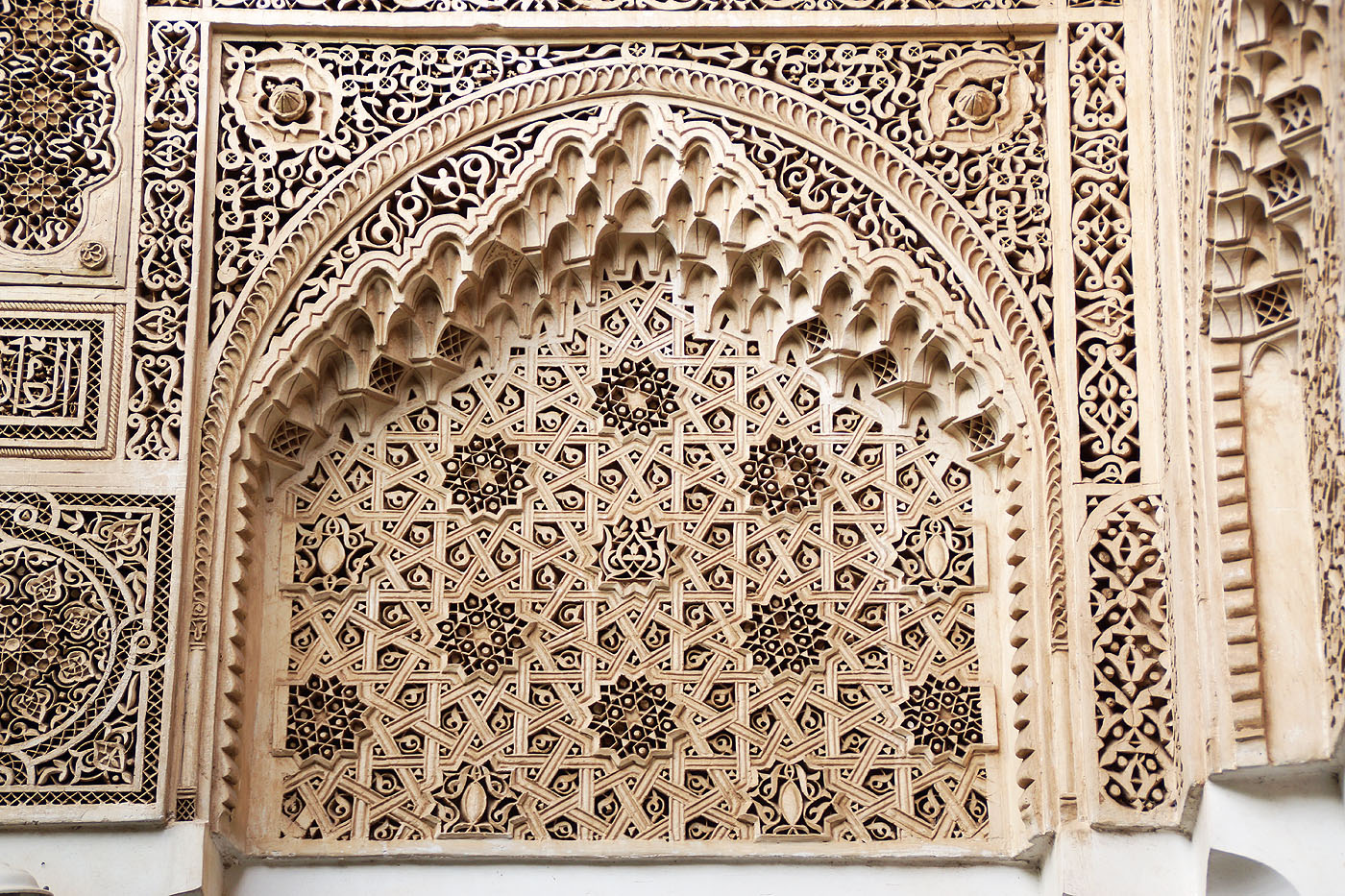
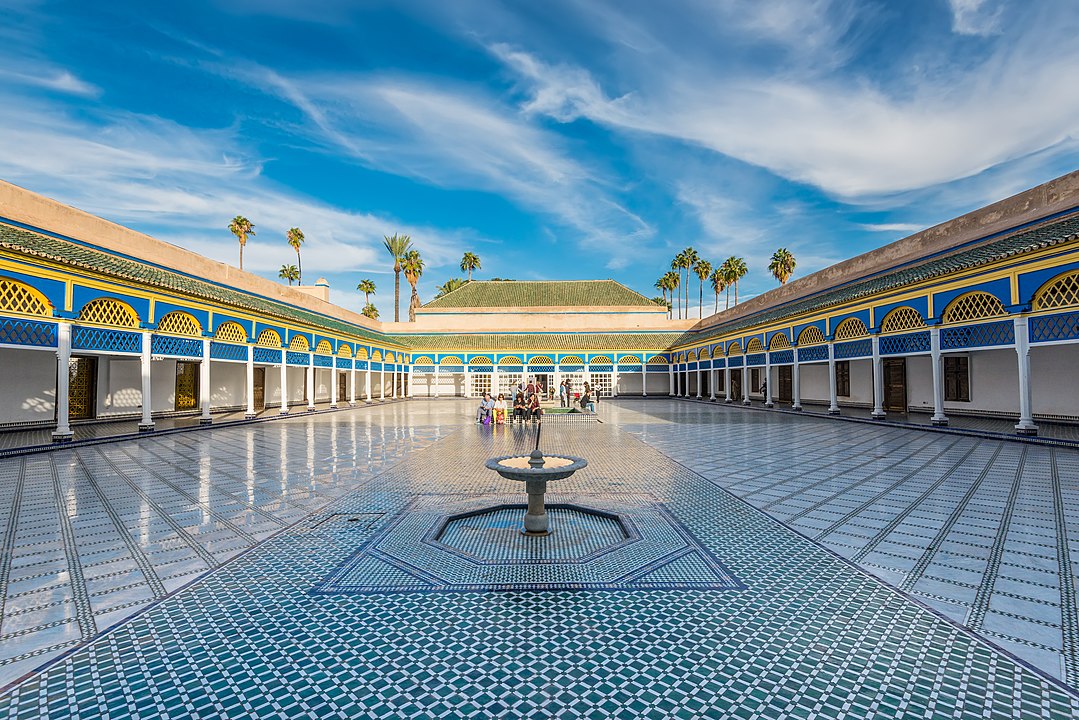
The Bahia Palace in Marrakesh is an exquisite example of Moroccan architecture and design, reflecting the opulence of the late 19th century. Built between 1866 and 1867 by Si Moussa, grand vizier of the sultan, the palace spans over two acres within the medina of Marrakech and features 150 rooms, including a harem section.

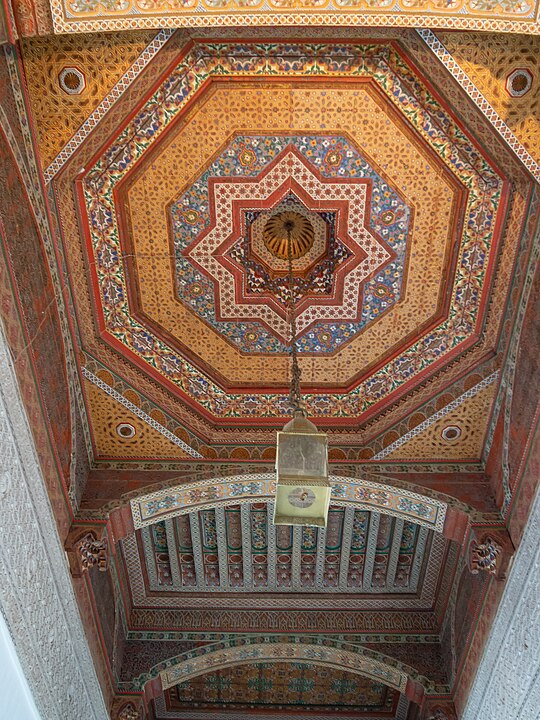
The name 'Bahia' translates to 'brilliance', which aptly describes the intricate craftsmanship and luxurious detailing found throughout the palace. It was designed to capture the essence of Islamic and Moroccan style, with stunning stuccoes, painted ceilings, and patterned zellij tiles that make it a masterpiece of its era.

The palace's layout includes a series of beautifully decorated courtyards, gardens, and rooms, all laid out to impress visitors with its grandeur and detailed artistry.

Originally intended to be the greatest palace of its time, the Bahia Palace was later looted by the Sultan and subsequently used during the French protectorate, adding to its rich history. Today, it stands as a major historical attraction in Marrakesh, drawing visitors who wish to experience its beauty and historical significance first-hand.

Role in the Trans Saharan Trade Route

The Bahia Palace itself did not play a direct role in the Trans-Saharan Trade Routes. Constructed in the late 19th century, the palace postdates the historical peak of the Trans-Saharan trade, which flourished from the 7th to the 14th centuries. The palace was built in Marrakesh by Si Moussa, grand vizier of the sultan, as a personal residence and to house his harem, showcasing the wealth and power accumulated during a period long after the principal trade routes had been established [1].

However, Marrakesh, the city in which the Bahia Palace is located, has a historical significance connected to these trade routes. Marrakesh served as a key imperial city and a commercial hub in Morocco that benefited indirectly from the wealth generated by the trade across the Sahara, especially during earlier centuries. This wealth contributed to the city’s ability to sponsor grand architectural projects like the Bahia Palace in later periods, reflecting the enduring economic significance of the routes in enriching Moroccan cultural and architectural heritage

DAY 3 - 5

Travel Marrakesh to Rabat, Morocco (325 km) 
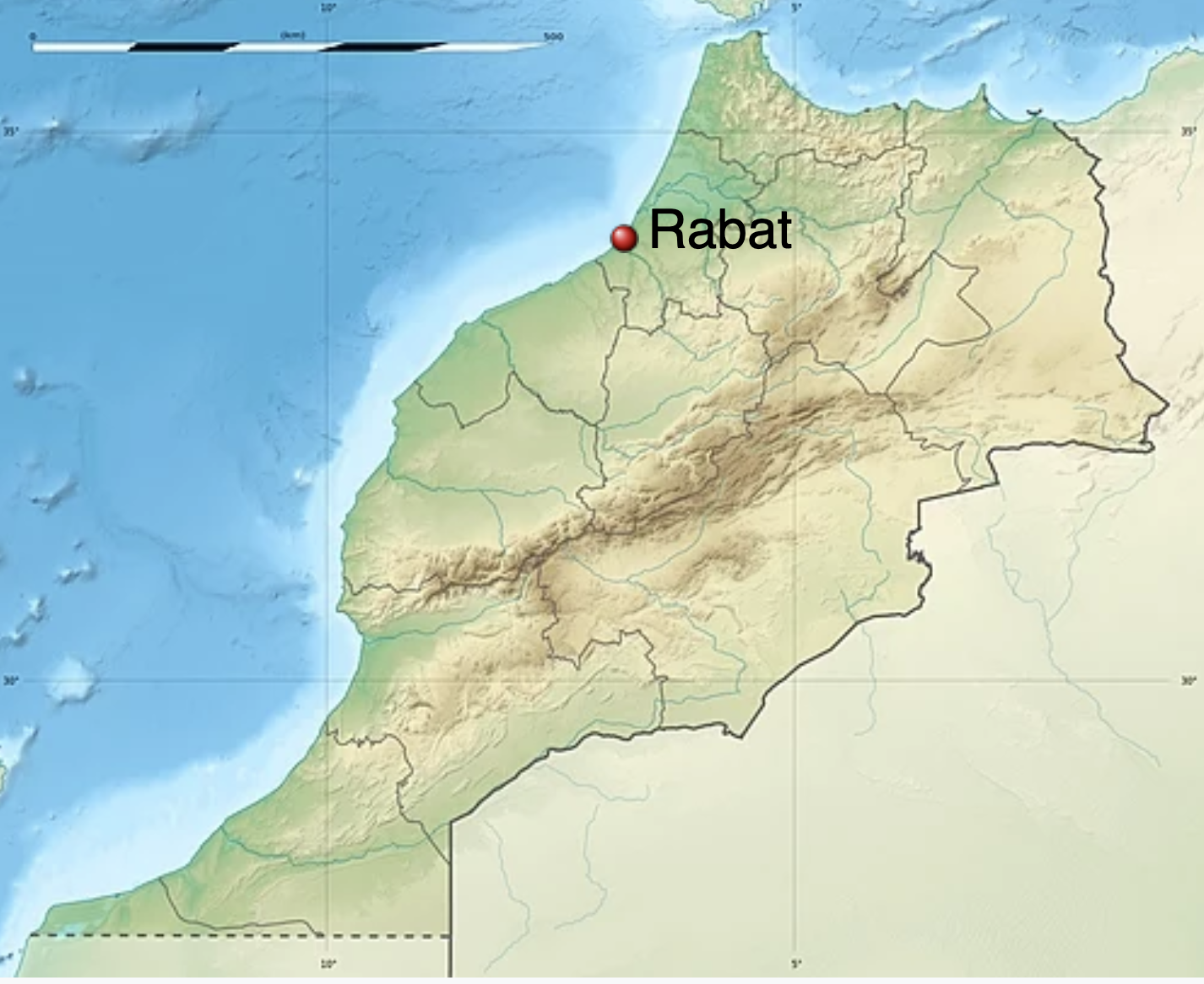
Accommodation: Local guesthouse in the Medina

Activities:

Day 3: Rest and light evening walk around the neighborhood.

Day 4: Visit the Medina of Rabat including the Oudaias Kasbah, Hassan Tower, and the Mausoleum of Mohammed V.

Day 5: Tour the Chellah and the Museum of Modern and Contemporary Art.

Day 4 

Exploring the Medina of Rabat (UNESCO World Heritage Site)
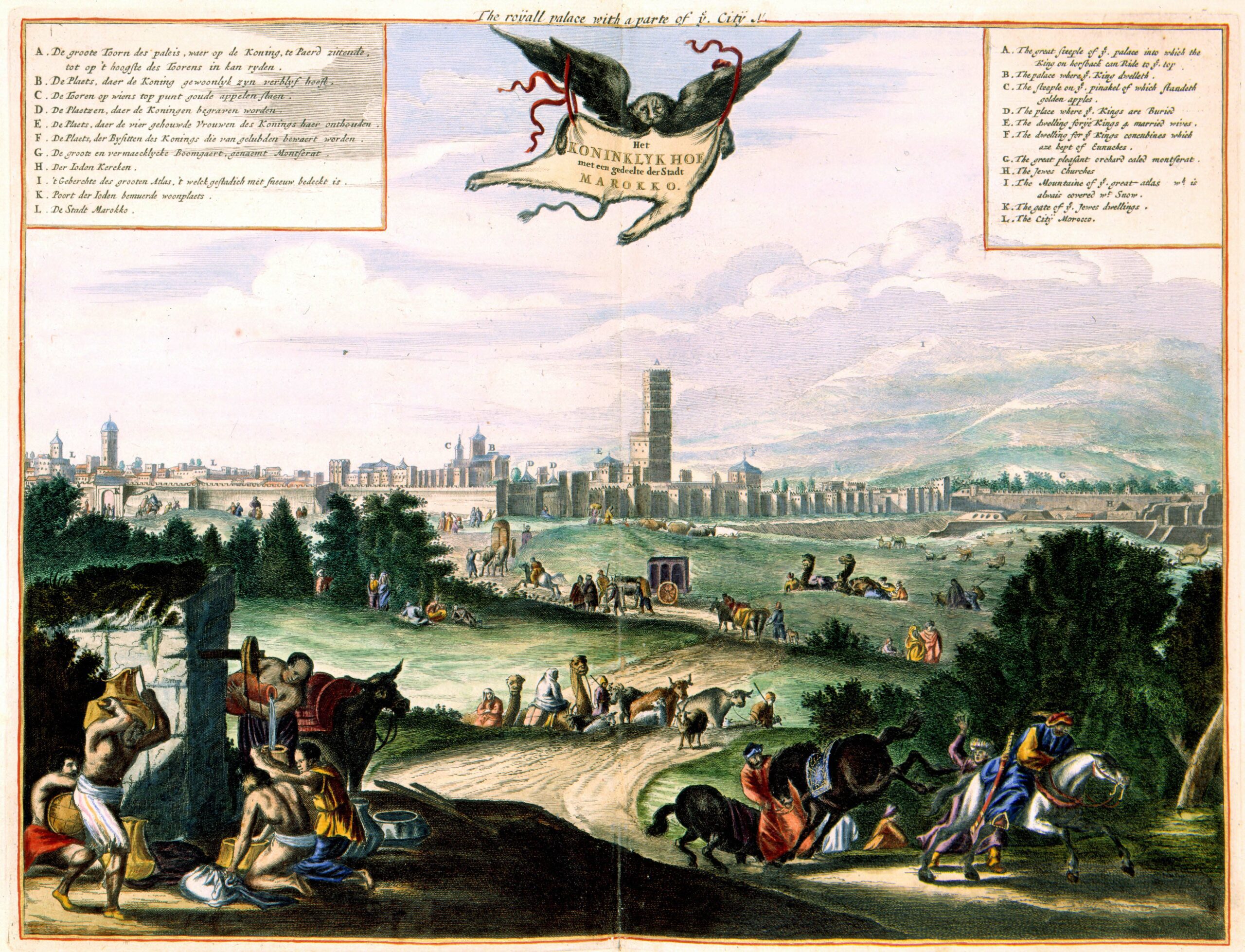
The Medina of Rabat is a vibrant and historic heart of Morocco's capital, offering a delightful mix of tradition and culture. As a UNESCO World Heritage Site, it is smaller and less crowded than those in other Moroccan cities, making it a pleasant and navigable destination for travelers.

The Medina is enclosed by ancient walls and features a labyrinth of narrow streets lined with traditional houses, shops, and market stalls. These bustling souks sell everything from handcrafted jewelry, leather goods, and traditional textiles to spices and local delicacies, providing a sensory feast for visitors.

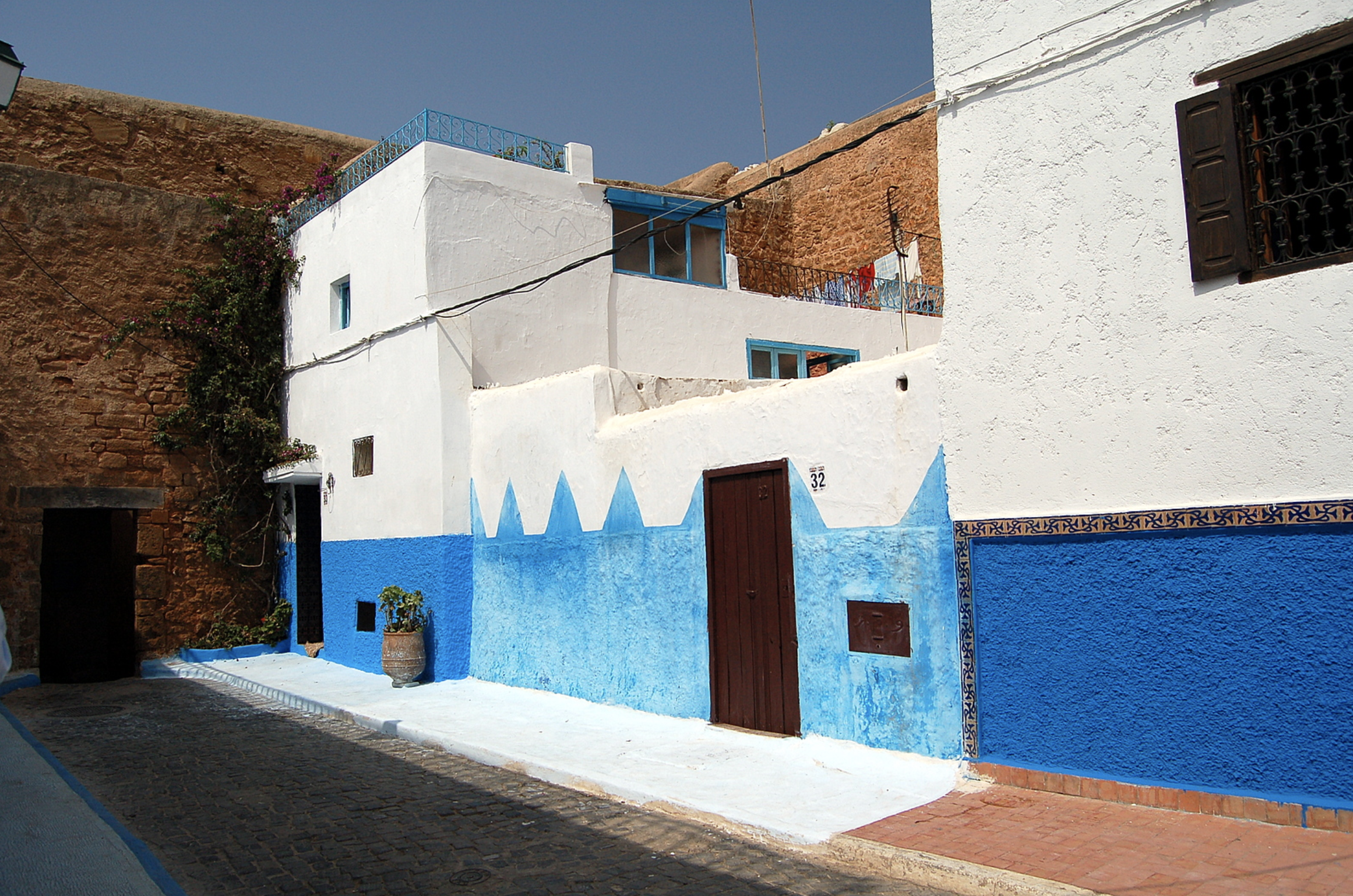
Key attractions within the Medina include the Great Mosque, one of the city's oldest buildings, and the Rue des Consuls, where artisans sell refined Moroccan crafts. The Kasbah of the Udayas, another highlight, is just a short walk away, offering stunning ocean views and picturesque blue-and-white painted houses.

Visitors to the Medina of Rabat can immerse themselves in the daily life and culture of the city, enjoying the flavors of local cuisine, the sound of prayer calls, and the sight of age-old architectural wonders. It's an essential stop for anyone wanting to experience the authentic charm and historical depth of Rabat.

Exploring the Medina of Rabat: Oudaias Kasbah
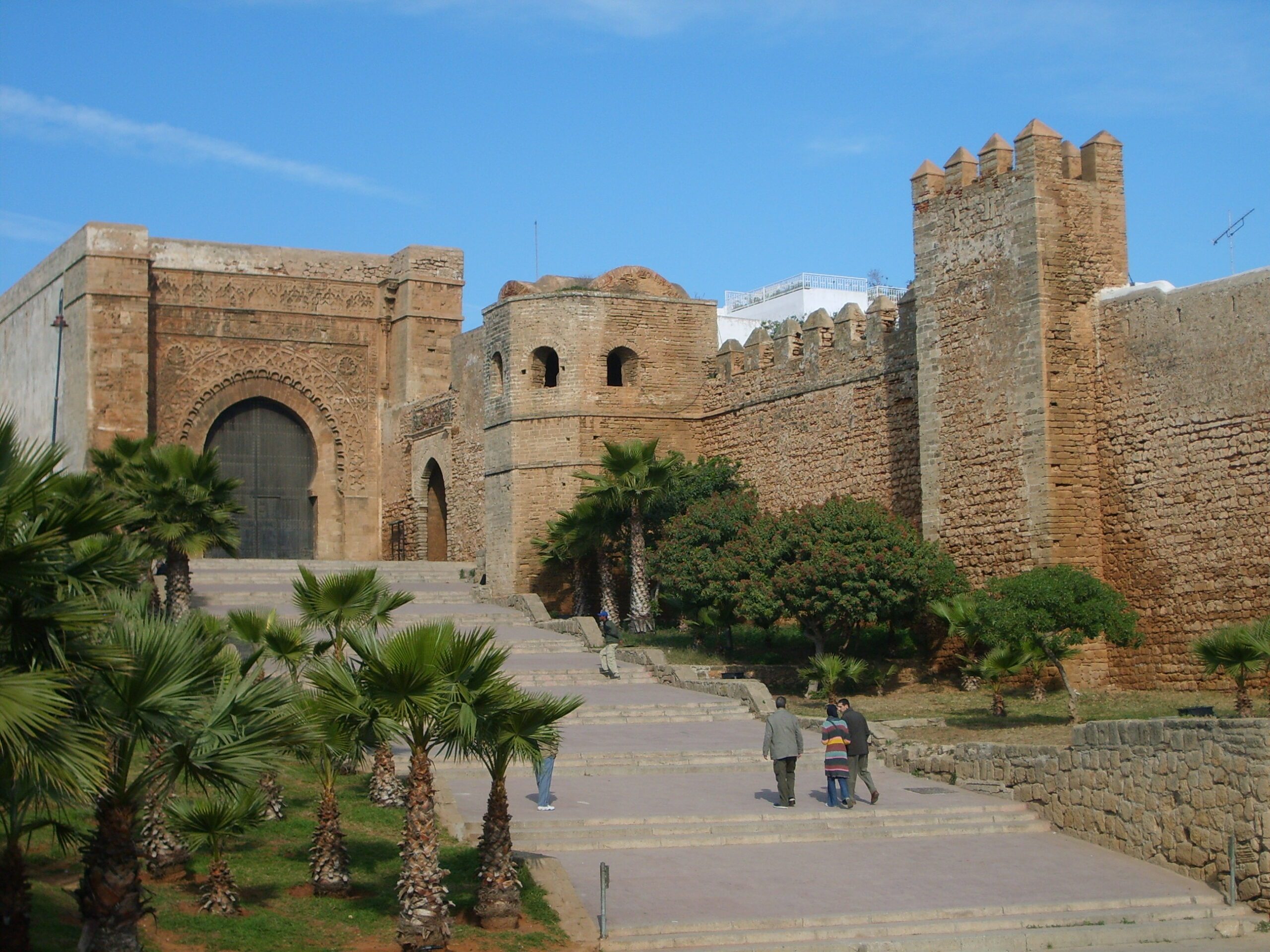
The Oudaias Kasbah, located in Rabat, Morocco, is a picturesque and historic quarter that dates back to the 12th century. Originally built as a military fortress during the reign of the Almohad Caliphate, it has since evolved into a charming neighborhood known for its narrow, winding streets and distinct blue-and-white painted houses. The Kasbah is situated at the mouth of the Bou Regreg River and offers stunning views of the Atlantic Ocean. It also houses the beautiful Andalusian Gardens, a tranquil spot designed during the French colonial era. Key landmarks within the Kasbah include the grand Bab Oudaïa Gate, the Oudaias Museum, and a traditional Moorish café. This area is recognized as a UNESCO World Heritage Site, highlighting its historical and cultural significance.

Role in the Trans Saharan Trade Route

The Oudaias Kasbah played a strategic role in ancient trade routes primarily due to its prime location at the mouth of the Bou Regreg river, which allowed for control over access to the interior regions of Morocco from the Atlantic Ocean. This location made it a crucial point for the exchange of goods and facilitated interactions between traders from Africa, Europe, and beyond.

In historical times, particularly during the periods when the Moroccans were in conflict with European powers like Spain and Portugal, the Kasbah served as a military fortress. Its position was vital for defending against sea invasions and for monitoring the navigation along the coast and river. The presence of such fortifications often meant that these points along trade routes were also hubs of economic activity. Markets within or near the Kasbah likely traded in local and imported goods, including textiles, spices, and precious metals.

Furthermore, the Kasbah’s role evolved over time, influencing and facilitating various types of trade and cultural exchanges, not only as a military post but also as an urban center that helped shape the character and economy of Rabat and the surrounding regions. This historical importance also reflects in its architecture and urban design, typical of a fortified city that played a significant role in regional trade and military strategies.

Exploring the Medina of Rabat:

Hassan Tower
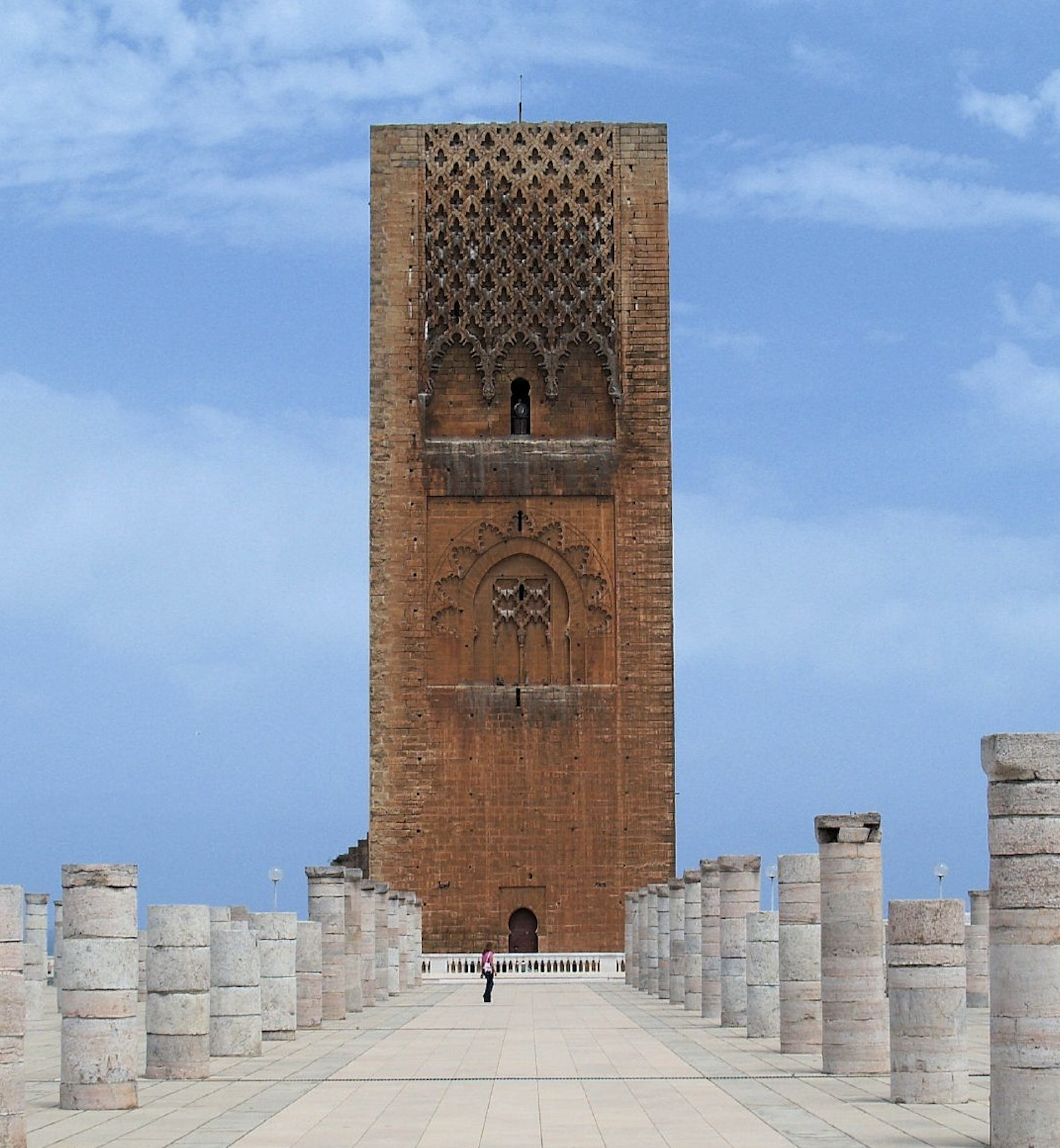
The Hassan Tower in Rabat is an iconic unfinished minaret that stands as a striking example of 12th-century Islamic architecture. It was intended to be the tallest minaret in the world as part of a grand mosque commissioned by the Almohad ruler, Yacoub al-Mansour. However, construction halted in 1199 following al-Mansour's death, leaving the tower at about half of its intended 86-meter height. Today, the red sandstone tower rises majestically to 44 meters, surrounded by the remnants of several hundred columns that were to form the mosque's expansive prayer hall. The site, which also includes the modern Mausoleum of Mohammed V, offers visitors a glimpse into Morocco's rich history and architectural ambition. The Hassan Tower is a must-visit for its historical significance and the breathtaking views of Rabat and the nearby Atlantic coast.


Role in the Trans Saharan Trade Route

The Hassan Tower, though primarily an architectural and religious landmark, indirectly played a role in the Trans-Saharan trade routes by contributing to the political and religious landscape of Rabat and the surrounding region. Built in the late 12th century during the reign of the Almohad Caliphate, its main purpose was to serve as a minaret for a grand mosque that would demonstrate the might and piety of the Caliphate. Here's how it connects to the broader context of the Trans-Saharan trade:

  1. Political and Religious Significance: The Almohad dynasty was instrumental in unifying the Maghreb and parts of the Iberian Peninsula under Islamic rule, which stabilized the region and created a more secure environment for traders. The construction of grand architectural projects like the Hassan Tower symbolized the dynasty's strength and contributed to its legitimacy and authority, fostering a stable political climate that facilitated trade.
  2. Urban Development: The mosque, had it been completed, along with the tower, would have further established Rabat as a key urban center in Morocco. Urban centers along the trade routes were crucial as they served as hubs where goods were exchanged, and where traders could rest, resupply, and obtain services. They also played roles in disseminating culture and information carried along the trade routes.
  3. Cultural Impact: While the Hassan Tower itself did not directly facilitate trade, the cultural and religious influence promoted by such structures helped to integrate the diverse communities involved in the Trans-Saharan trade. The spread of Islam, which was often accompanied by the construction of mosques and learning centers, helped to create a common religious and cultural framework among traders.

Though the Hassan Tower was not a direct participant in trade activities, its existence and the intended mosque represented the type of infrastructure and monumental architecture that symbolized power and unity under Islam. This unity was crucial for the security and efficiency of the trade routes that crossed the harsh environments of the Sahara, linking sub-Saharan Africa to North Africa and beyond.


Exploring the Medina of Rabat:

Mausoleum of Mohammed V.
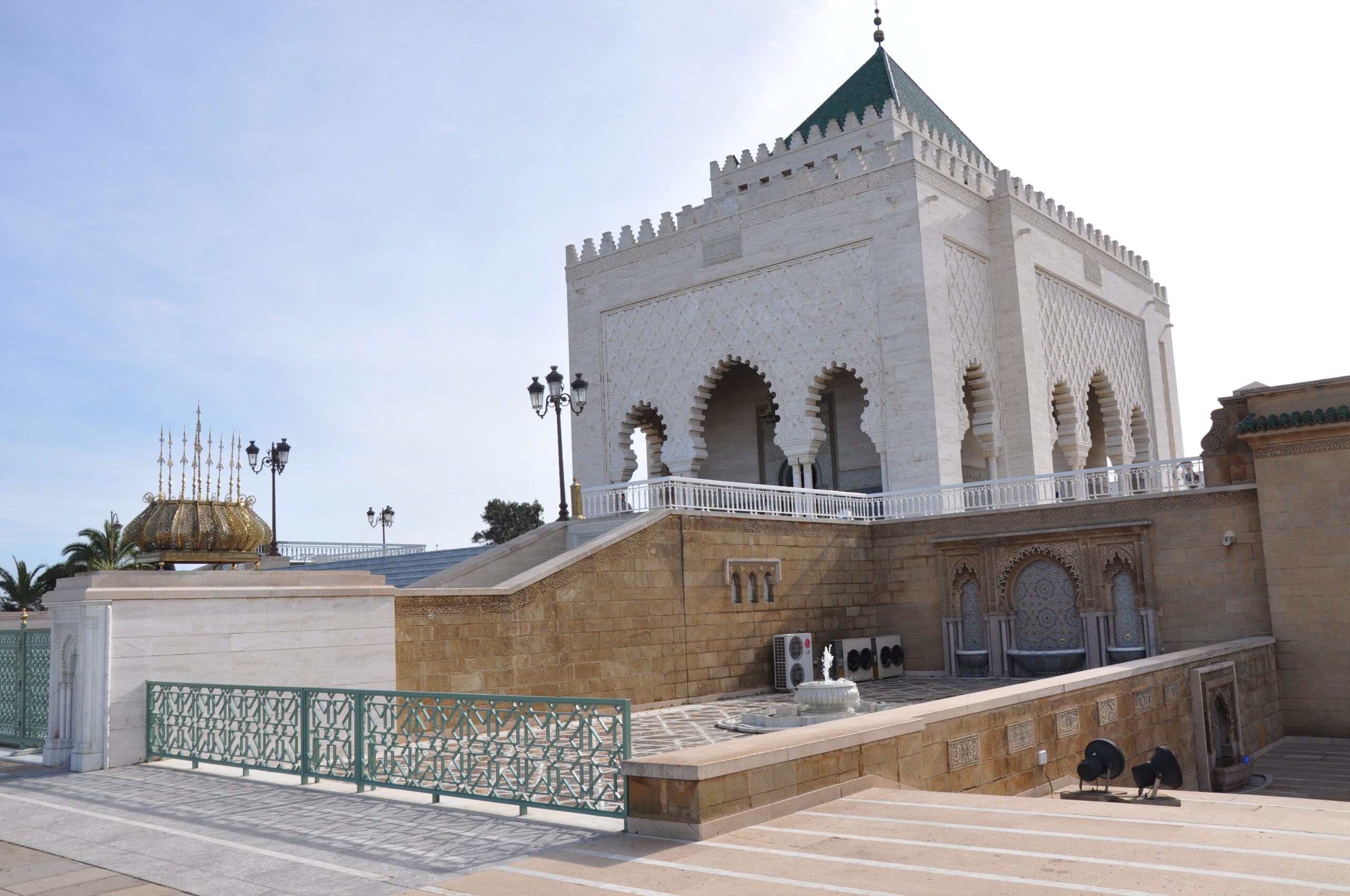
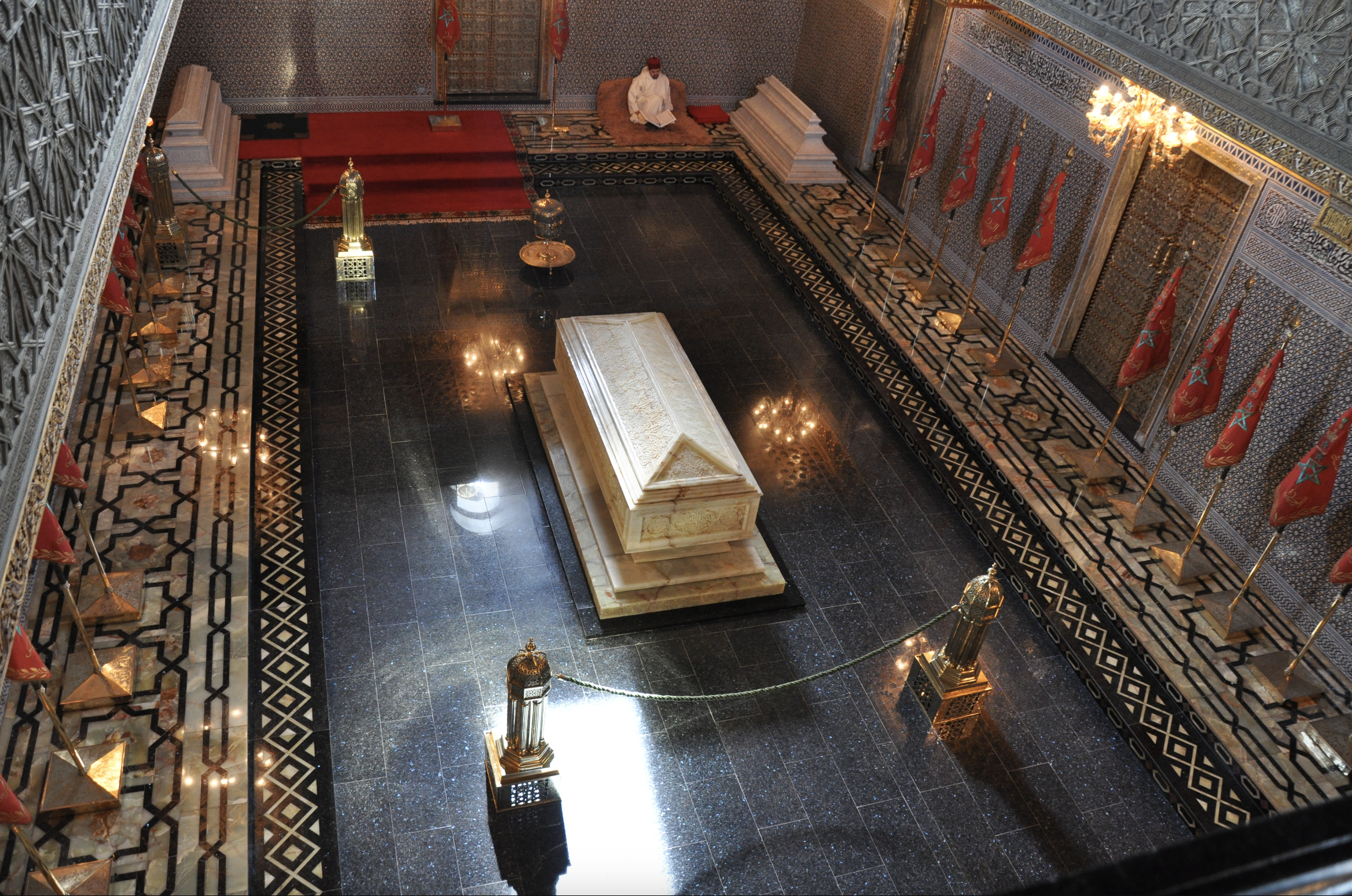
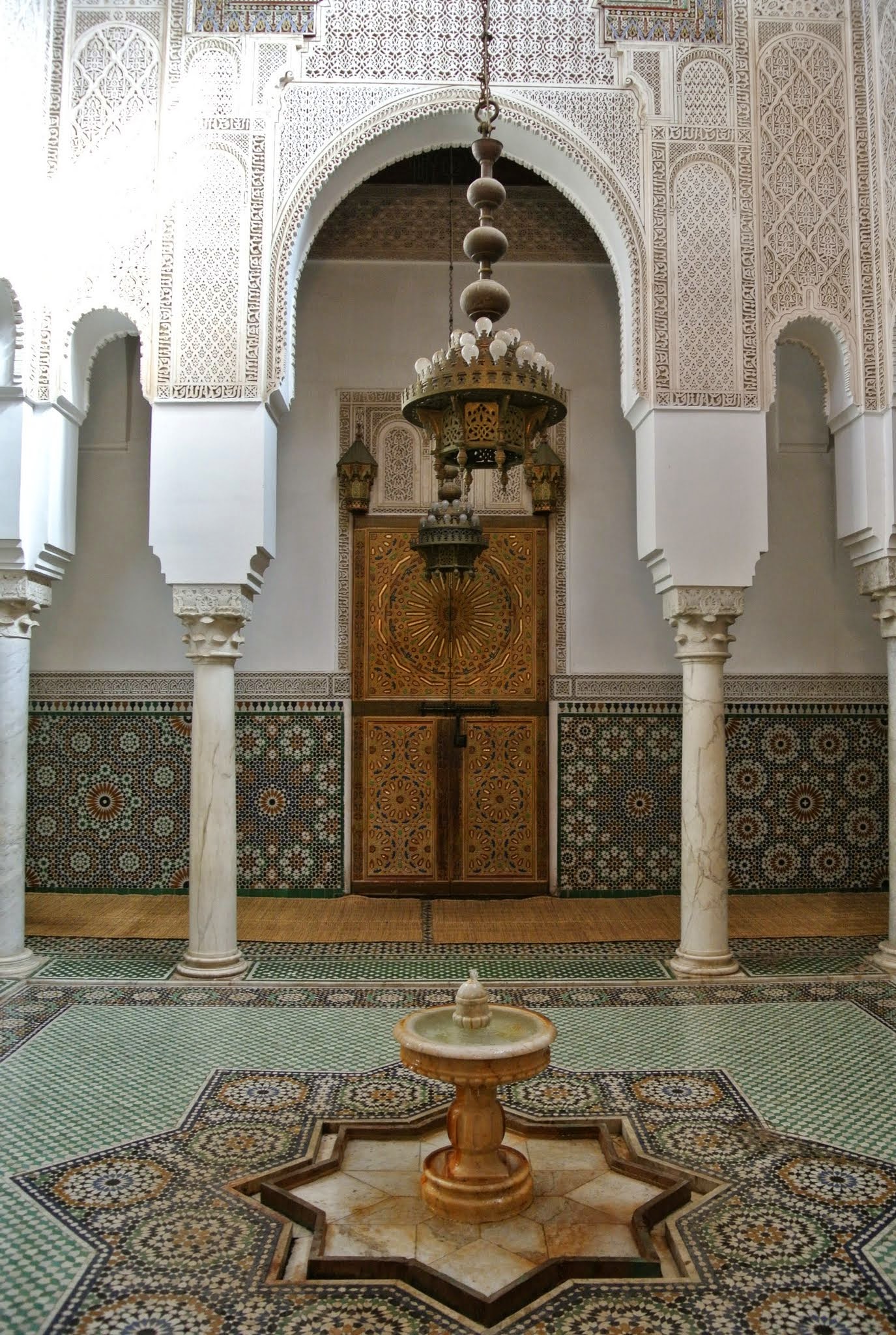
The Mausoleum of Mohammed V is a significant historical and architectural landmark located in Rabat, Morocco. This opulent mausoleum houses the tombs of King Mohammed V and his two sons, King Hassan II and Prince Abdallah. Constructed between 1962 and 1971, the site was designed in a traditional Moroccan style, beautifully adorned with white Italian marble, a green tiled roof symbolizing Islam, and intricate mosaics, reflecting the grandeur of Moorish craftsmanship.

The structure is known for its stunning craftsmanship, including elaborately carved stucco and cedar woodwork, which showcase the skill of Moroccan artisans. Its interior is decorated with zellij (geometric mosaic tile work) and features a striking bronze chandelier. The mausoleum is not only a tribute to the Moroccan royal family but also serves as a symbol of national pride and sovereignty. Positioned opposite the Hassan Tower and overlooking the Wadi Bou Regreg, it is a popular site for both Moroccan citizens and international tourists, offering insight into the country's royal history and architectural beauty.

Role in the Trans Saharan Trade Route

The Mausoleum of Mohammed V in Rabat does not have a direct historical connection to the Trans-Saharan trade routes, primarily because it was constructed long after the peak of the Trans-Saharan trade, which thrived from the 8th to the 16th centuries. The Mausoleum was built in the 20th century, specifically between 1962 and 1971, as a royal tomb and a symbol of Moroccan independence and sovereignty.

However, the location of the Mausoleum in Rabat, the capital of Morocco, indirectly ties it to the historical legacy of the region as a whole, which includes the era of the Trans-Saharan trade. Rabat, being part of Morocco's rich historical tapestry, was influenced by the wealth and cultural exchanges brought by the trade routes, although it was not a primary hub like cities such as Marrakesh or Fes. These routes facilitated the movement of gold, salt, and other goods, as well as the spread of Islam and cultural practices across the Sahara Desert, impacting the development of the Moroccan kingdom.

Today, the Mausoleum of Mohammed V serves more as a cultural and historical site, symbolizing the modern state of Morocco and its continuity with its past, rather than having a direct role in historical trade routes. Its significance lies in its representation of Moroccan identity and heritage rather than its participation in ancient trade network

DAY 5

Chellah Ruins

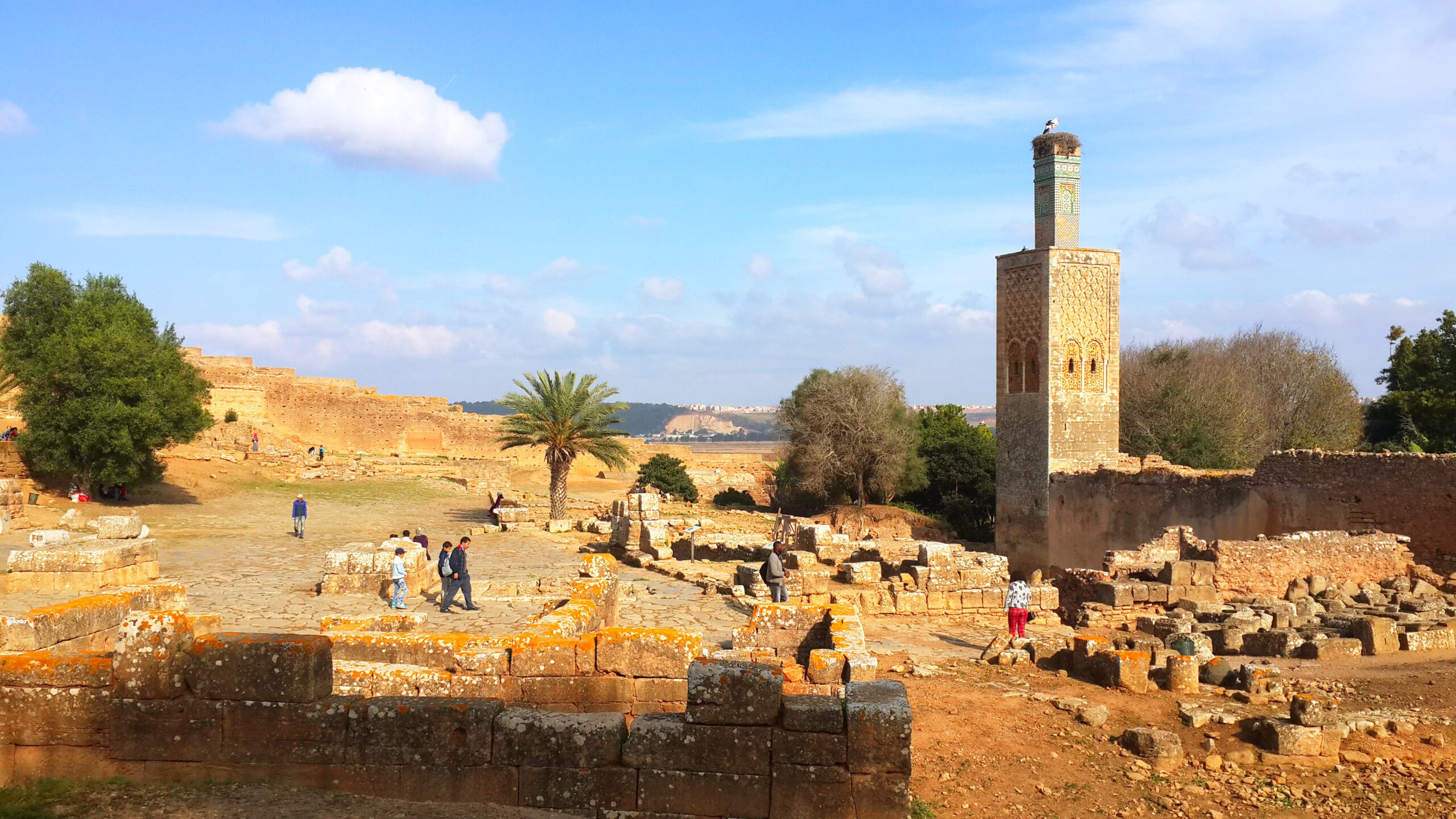
The Chellah Ruins in Rabat offer a captivating glimpse into Morocco's layered history, blending ancient Roman and medieval Islamic heritage. Originally a Roman outpost known as Sala Colonia, it thrived during the Roman Empire. Over time, it transformed into a significant Islamic complex under the Marinid dynasty in the 14th century, who constructed a mosque, a madrasa, and royal tombs, making Chellah a spiritual and cultural center.

Visitors to Chellah enter through a striking fortified gate that leads to a complex filled with the remnants of both Roman and Islamic architectures, such as the decumanus maximus (the main Roman road), Roman forum ruins, and a triumphal arch. The Islamic structures include beautifully adorned Marinid tombs and a mosque with its minaret.

The site is also famous for its tranquil gardens, home to storks and other wildlife, offering a peaceful escape from the bustling city. Chellah's blend of historical architectures, lush gardens, and the serene atmosphere makes it a must-visit destination for those interested in history, archaeology, and natural beauty. Each year, Chellah also serves as a venue for the Jazz au Chellah festival, which celebrates jazz music with a backdrop of historical ruins, further enhancing its cultural significance.

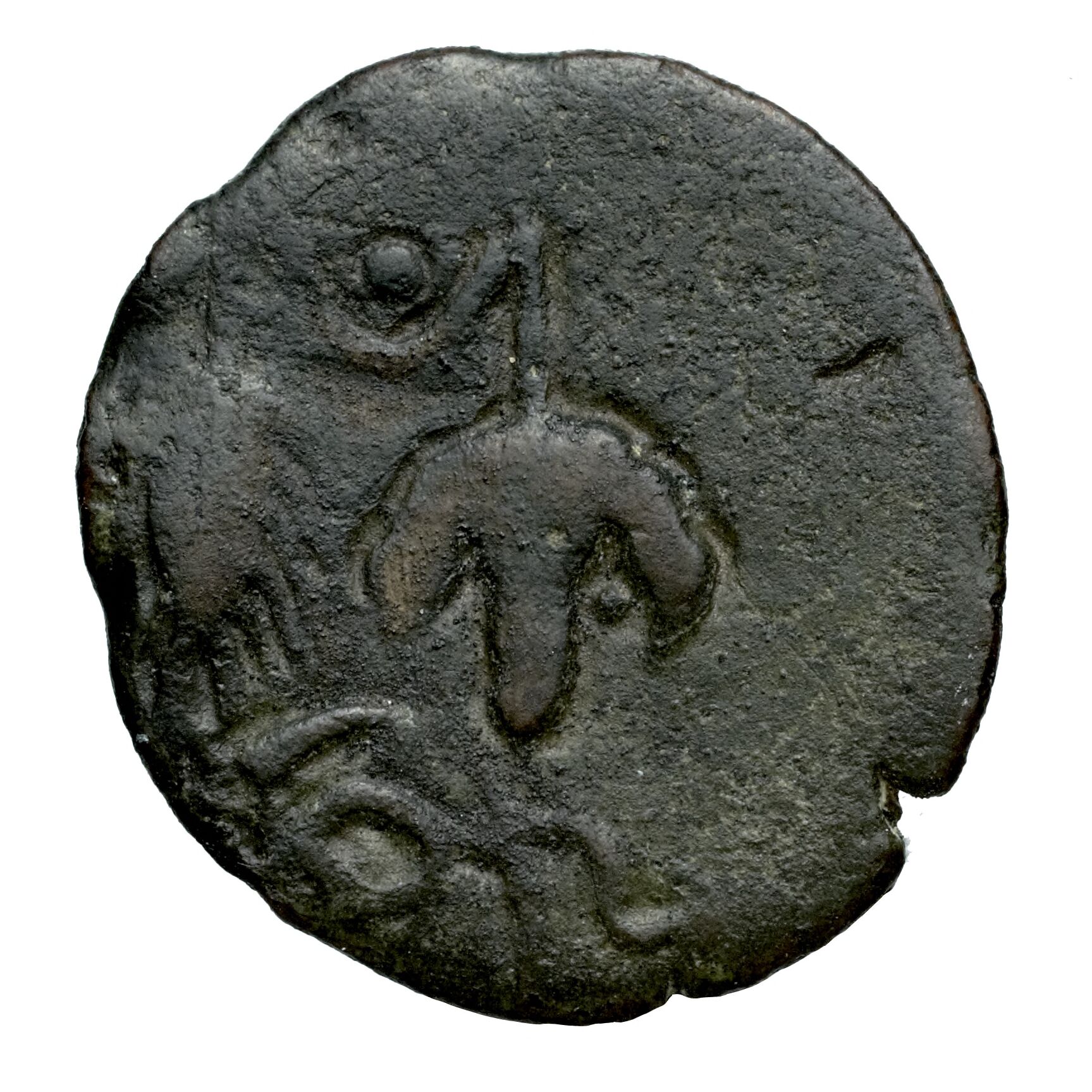
A coin from Sala with the name of the town in Punic settings.

Role in the Trans Saharan Trade Route

Chellah, or Sala Colonia, is a historic site located on the outskirts of Rabat, Morocco, with a rich history that spans from ancient Roman times through the Islamic era. Although primarily known for its Roman ruins and as a necropolis during the Marinid dynasty, Chellah's role in relation to the Trans-Saharan trade is more indirect and symbolic rather than direct and functional.

Ancient Times and Roman Influence: Originally, Chellah served as a Roman trading outpost and was part of the broader network of Roman settlements along North Africa. As Sala Colonia, it was strategically located near the Atlantic coast, facilitating trade and communication between the Roman Empire and its African territories. However, this was distinct from the later Trans-Saharan trade networks.

Medieval Period and Marinid Development: By the time the Trans-Saharan trade reached its zenith, spanning from the 8th to the 16th centuries, Chellah had transitioned from a Roman settlement to a largely abandoned site, later revived by the Marinids as a royal necropolis. The Marinids, ruling from the 13th to the 15th century, used Chellah for its spiritual significance rather than as a commercial hub.

Indirect Influences and Symbolic Roles: Chellah's significance during the era of Trans-Saharan trade can be viewed more in terms of its spiritual and political symbolism. As a royal burial site and a religious complex, it underscored the Marinid's role in consolidating Islamic rule and culture in Morocco, which was an essential factor in the stability required for safe and prosperous trade routes across the Sahara.

The economic activity from the Trans-Saharan trade primarily benefited other Moroccan cities like Marrakech, Fes, and later Meknes, which were direct participants in these trade networks. These cities thrived as centers of commerce, culture, and religion, directly facilitating and benefiting from the wealth of trade across the desert.

In summary, while Chellah itself did not play a direct role in the Trans-Saharan trade, its historical phases reflect the broader shifts in North Africa's economic, cultural, and political landscapes that were influenced by and also influenced the patterns of long-distance trade across the Sahara.

DAY 6

Rabat to Meknes

Distance/Travel Time: 120 km / 2 hours by train
Activities: Afternoon arrival and visit Bab Mansour, enjoy local cuisine.
Train Costs: $15
Accommodation: Riad Yacout - $95/night

Bab Mansour

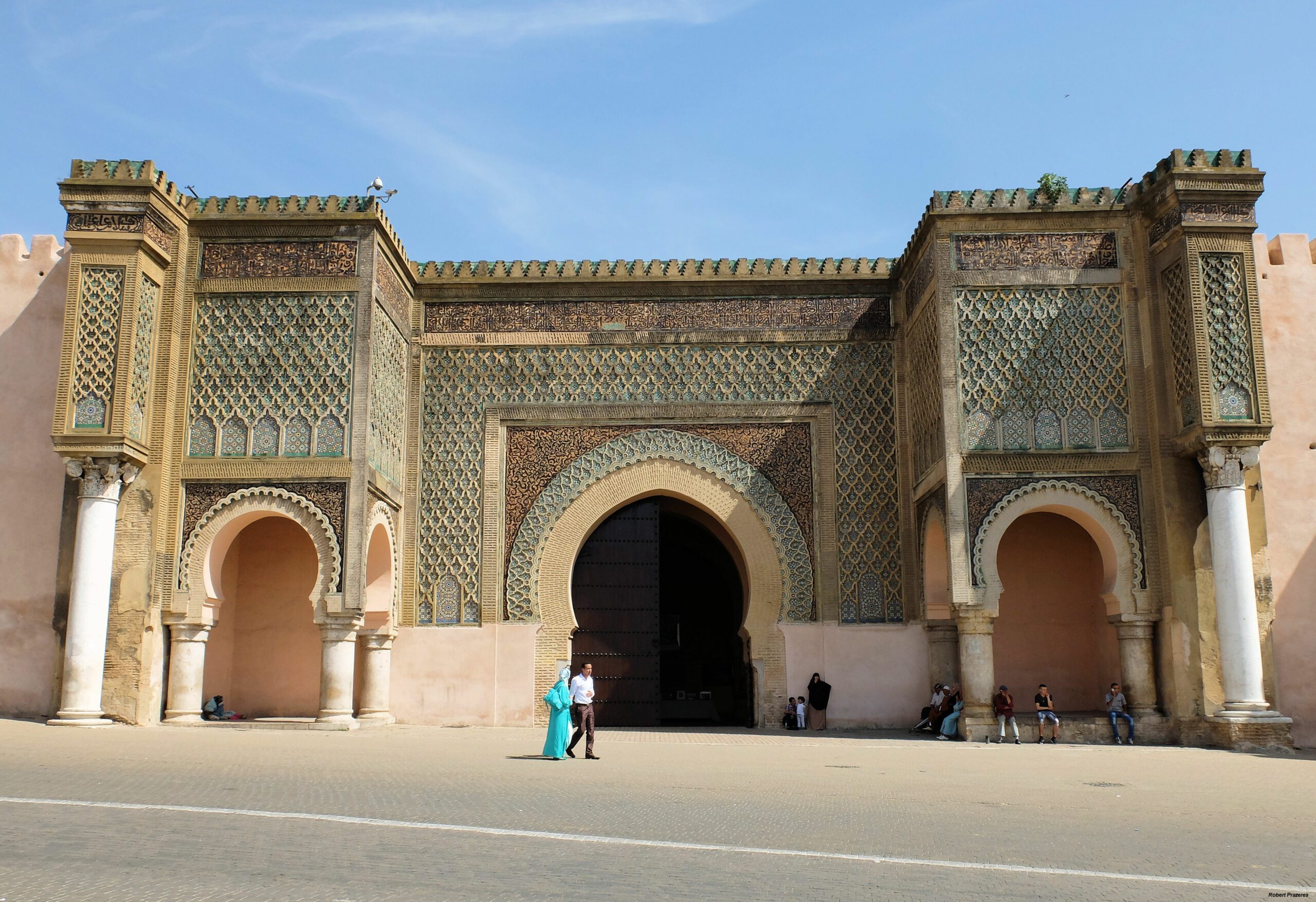
Bab Mansour, located in Meknes, Morocco, stands as one of the most impressive and beautifully decorated gates in the world. Built in the early 18th century during the reign of Sultan Moulay Ismail, it serves as a grand entrance to the Imperial city of Meknes, which was the capital during Ismail's rule. Named after its architect, El-Mansour, the gate is adorned with stunning zellij (mosaic tilework), intricate calligraphy, and detailed marble columns.

The façade of Bab Mansour is remarkable for its large archway, flanked by two smaller ones, and topped with a green-tiled roof, a common emblem of Islamic architecture. The gate features a combination of Islamic and European design elements, reflecting the cultural influences of the period.

Though it no longer serves as a functional gate, Bab Mansour remains a significant historical and architectural landmark in Meknes. It faces the vast Lahdim Square and is often used as a backdrop for cultural events and gatherings. The gate’s blend of beauty and history makes it a must-visit for those exploring the heritage of Morocco.

Role in the Trans Saharan Trade Route

Bab Mansour, while not directly involved in the logistics of the Trans-Saharan trade routes, played a significant role symbolically and strategically within the context of Meknes, which was an important city during the era when these trade routes were active. Here’s how Bab Mansour fits into the larger picture:

Symbolic Importance: Constructed in the early 18th century under Sultan Moulay Ismail, Bab Mansour was built during a period when Meknes served as the capital of Morocco. The gate was designed to impress visitors and demonstrate the power and wealth of the Sultan’s rule. Its grandeur and elaborate design served as a statement of the prosperity that the Sultanate enjoyed, partially thanks to the wealth generated by trade, including that from the Trans-Saharan routes.

Strategic Role: Meknes itself was a significant urban center during Moulay Ismail’s reign and benefited indirectly from the Trans-Saharan trade through its connections to other Moroccan cities that were more directly involved in trade, such as Fes and Marrakech. These cities were integral parts of a network that facilitated the north-south movement of goods across the Sahara, linking sub-Saharan Africa with the Mediterranean and European markets.

Cultural and Economic Influence: The wealth and resources that flowed through Morocco due to the Trans-Saharan trade contributed to the funding and construction of monumental projects like Bab Mansour. These projects were part of Moulay Ismail’s extensive efforts to beautify Meknes and cement its status as a royal city, rich in architectural marvels.

Thus, while Bab Mansour was not a trading post or caravan stop itself, its existence reflects the broader economic and cultural milieu influenced by the Trans-Saharan trade routes. It symbolizes the era's prosperity and the strategic importance of Meknes within the Moroccan and broader North African historical context.

Mausoleum of Moulay Ismail 

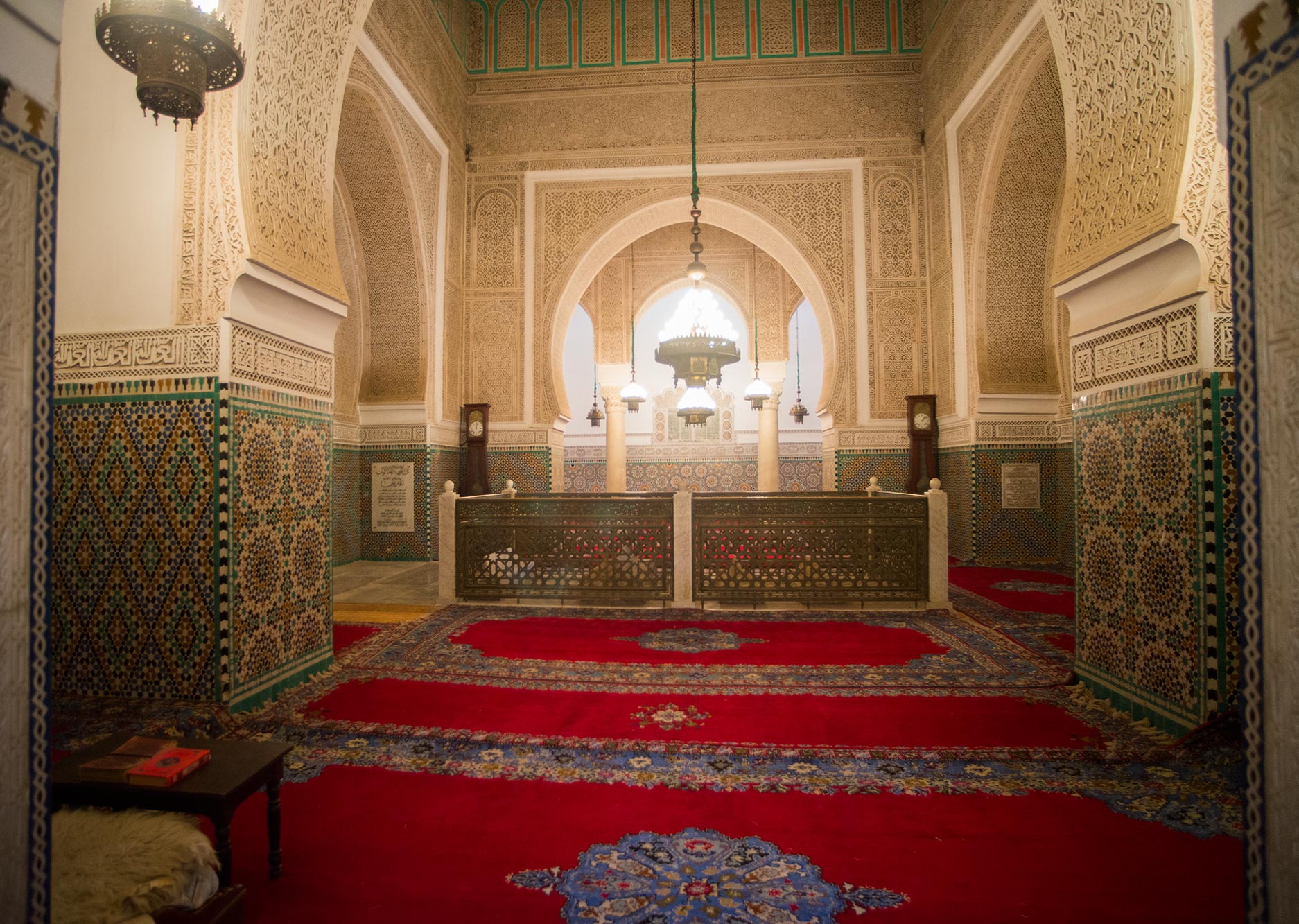
The Mausoleum of Moulay Ismail in Meknes is one of Morocco's most significant historical and architectural sites, dedicated to one of its most powerful rulers, Sultan Moulay Ismail. Constructed during his reign in the late 17th and early 18th centuries, this mausoleum is an exquisite example of Islamic architecture, featuring intricate tile work, carved wood, and detailed plasterwork.

Located in the heart of Meknes, a city transformed by Moulay Ismail into a splendid capital, the mausoleum is part of a larger complex that includes a mosque and madrasa. The interior is strikingly beautiful, with its lavish use of zellij (mosaic tiles), marble columns, and ornamental ceilings that create a serene yet majestic atmosphere.

Visitors to the mausoleum can explore the beautifully maintained gardens and courtyards, which provide a peaceful retreat from the bustling city. Although it is a burial site, the Mausoleum of Moulay Ismail is open to non-Muslim visitors, offering them a rare glimpse into the splendor of Morocco's royal history. The site is not only a tribute to a pivotal figure in Moroccan history but also a showcase of the craftsmanship and artistic achievements of the era.

Role in the Trans Saharan Trade Route

The Mausoleum of Moulay Ismail in Meknes, while a significant architectural and historical landmark, does not have a direct functional role in the Trans-Saharan trade routes. Instead, its significance in relation to the trade routes is more symbolic and related to the broader influence of Sultan Moulay Ismail's reign over Morocco, including his contributions to the economic and political stability necessary for successful trade.

Symbolic Significance: Moulay Ismail, who reigned from 1672 to 1727, was known for his efforts to consolidate and expand Moroccan territory, which indirectly supported safer and more efficient trade routes across the Sahara. By strengthening the military and fortifying cities like Meknes, he helped secure the routes against potential threats, thus ensuring a smoother flow of trade.

Economic and Political Stability: Under Moulay Ismail, Meknes became a capital adorned with grandiose construction projects, reflecting the wealth that flowed through Morocco, part of which was derived from trade, including Trans-Saharan commerce. This trade involved the exchange of gold, salt, and slaves from sub-Saharan Africa for goods from North Africa and beyond. The prosperity brought by these trade activities funded the lavish constructions in Meknes and other cities, bolstering their roles as administrative and economic centers.

Cultural Impact: The Mausoleum itself, as part of Moulay Ismail's legacy, symbolizes the era's opulence and the Sultan's desire to mark his reign with monumental architecture. This architectural grandeur was not only a display of wealth but also a statement of stability and power, elements critical to maintaining and controlling the vital trade networks that crossed the Sahara.

In summary, while the Mausoleum of Moulay Ismail did not directly interact with the Trans-Saharan trade routes, it represents the era's economic prosperity and political strength, which were essential for the flourishing of these trade networks. Its construction and the development of Meknes are reflective of the benefits reaped from the secure and prosperous trade environment Moulay Ismail sustained during his rule.

DAY 7

Archaeological Site of Volubilis (UNESCO World Heritage Site)
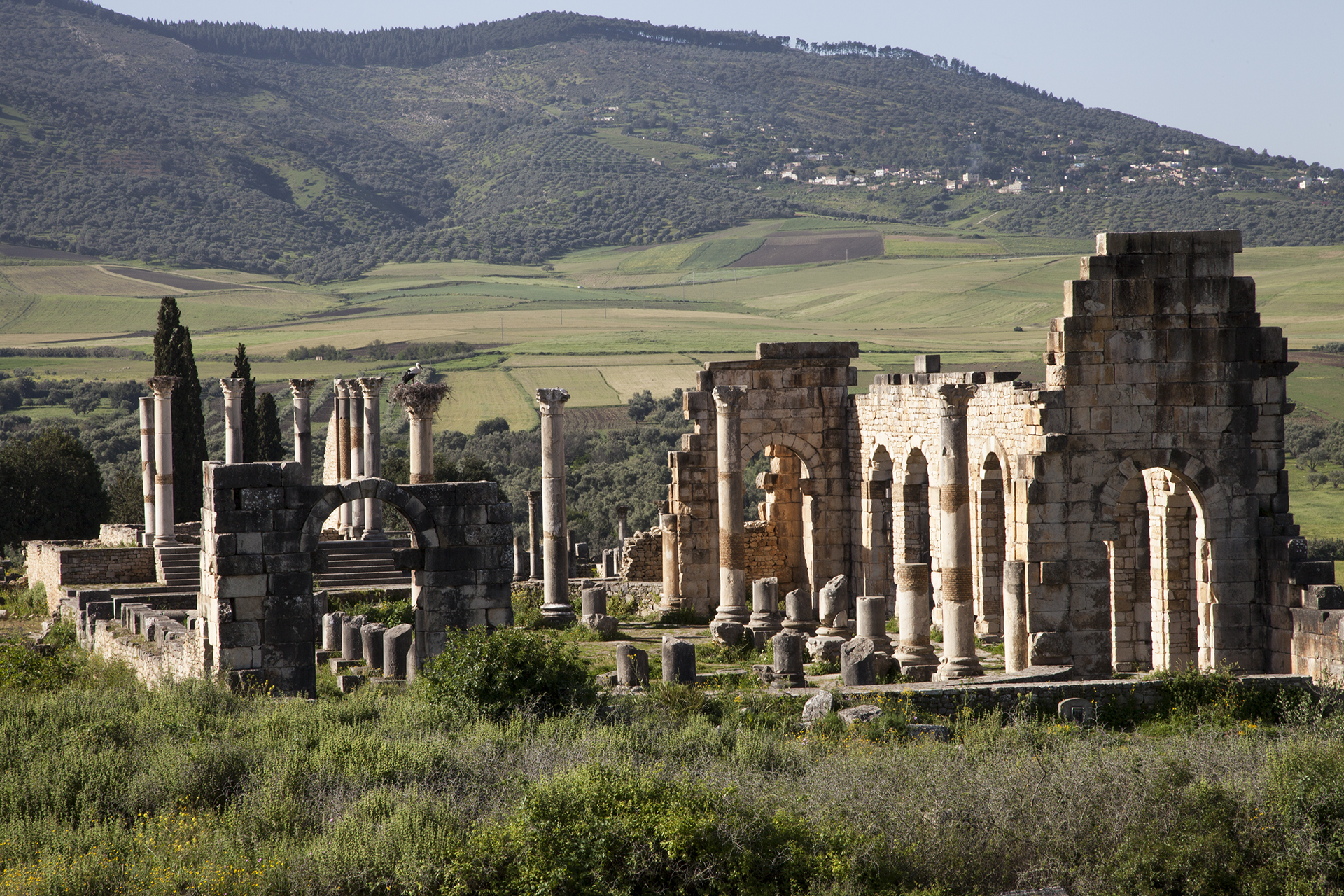
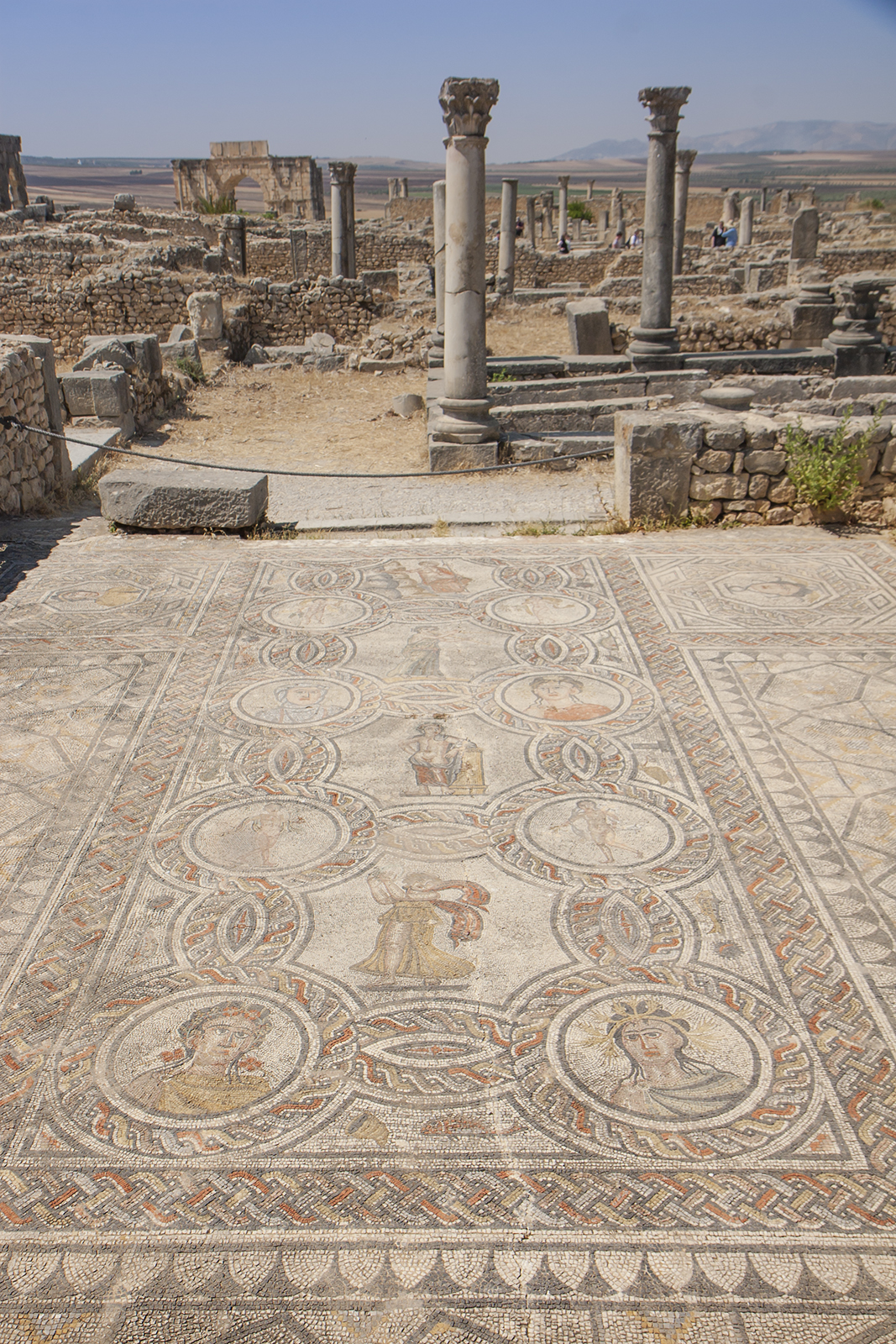
Volubilis is a captivating UNESCO World Heritage Site located near the city of Meknes in Morocco. Originally founded in the 3rd century B.C. as a Berber settlement, it became one of the most remote cities of the Roman Empire, flourishing from the 1st century A.D. due to its location on fertile agricultural land and its role as an administrative center for the region.

The city is most renowned for its impressive array of well-preserved Roman ruins, which provide a vivid glimpse into the area’s wealthy past. Key features include a triumphal arch, basilica, and a series of exquisite mosaics that decorate the floors of several residences, highlighting the affluence that once characterized the city.

After the fall of the Roman Empire, Volubilis continued to be inhabited for several centuries, transitioning through various cultural influences before being abandoned. It was rediscovered in the 18th century, and extensive archaeological efforts in the 20th century helped restore parts of the site.

Today, Volubilis is celebrated not only for its historical and architectural significance but also for its role in providing insights into the economic, cultural, and social aspects of the Roman and post-Roman periods in North Africa. Visitors to the site can explore the ancient ruins and enjoy panoramic views of the surrounding countryside, making it a must-visit for history enthusiasts and tourists alike.

Role in the Trans Saharan Trade Route

Volubilis, while primarily known as a Roman site, played a historical role that intersected with the Trans-Saharan trade routes, particularly during the later periods of its occupation. After the decline of Roman authority in the region, Volubilis continued to be inhabited into the Islamic era, and its position in Morocco allowed it to be part of broader trade networks, including those extending across the Sahara.

Role During and Post-Roman Period: Initially, under the Romans, Volubilis was primarily an agricultural center, benefiting from the fertile lands of the region. It was also strategically located on the Roman road networks that facilitated trade across North Africa. Although not directly on the early Trans-Saharan trade routes, its economic activities were integral to the regional trade systems that eventually linked to trans-Saharan commerce.

Transition into the Islamic Era: As the region transitioned into the Islamic period, the importance of Volubilis shifted from a primarily agricultural base to a more strategically positioned node within broader trade networks. During the early Islamic period, Volubilis served as a frontier outpost and part of the early Islamic administration before the center of power moved to nearby Fes. Its proximity to Fes, which emerged as a significant urban center in medieval times and a key hub in the Trans-Saharan trade, indirectly connected Volubilis to the flourishing trade in gold, salt, and other commodities.

Archaeological and Historical Insights: The archaeological remnants and historical records suggest that even after the Roman era, Volubilis maintained a level of importance. It was during the Islamic rule that the Trans-Saharan trade truly blossomed, linking sub-Saharan Africa with the Mediterranean and Middle Eastern worlds. Although Volubilis itself might not have been a central trading hub, its continued habitation and utilization as a military and administrative site likely supported the broader economic networks that included Trans-Saharan trade.

Conclusion: While not a direct participant in the Trans-Saharan trade as known from medieval times onwards, Volubilis's historical trajectory from a Roman city to an Islamic site provides a context to understand how regions evolved and participated in or supported the complex trade networks that crossed North Africa. Its strategic location and historical phases contributed indirectly to the trade dynamics of the region.

DAY 8 - 9

Travel to Fez

Travel Time: 1 hour from Meknes by train (first class)

Accommodation: Community-based guesthouse

Activities:

Day 8: Medina tour, including Medina of Fez, Al-Qrawiyyin, Chouara Tannery.

Day 9: Free day for shopping and exploring on your own.

DAY 8

Medina of Fez (UNESCO World Heritage Site)
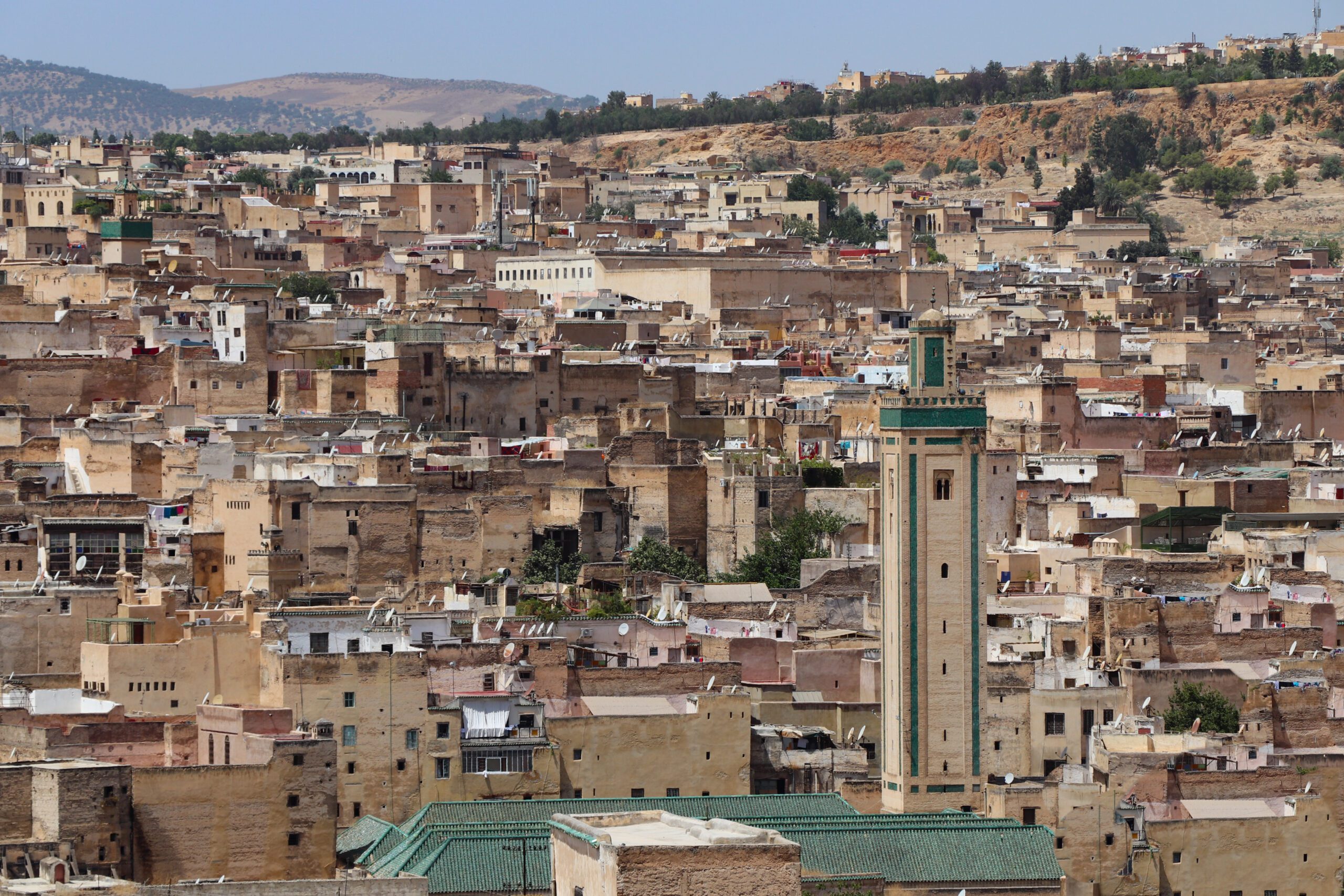
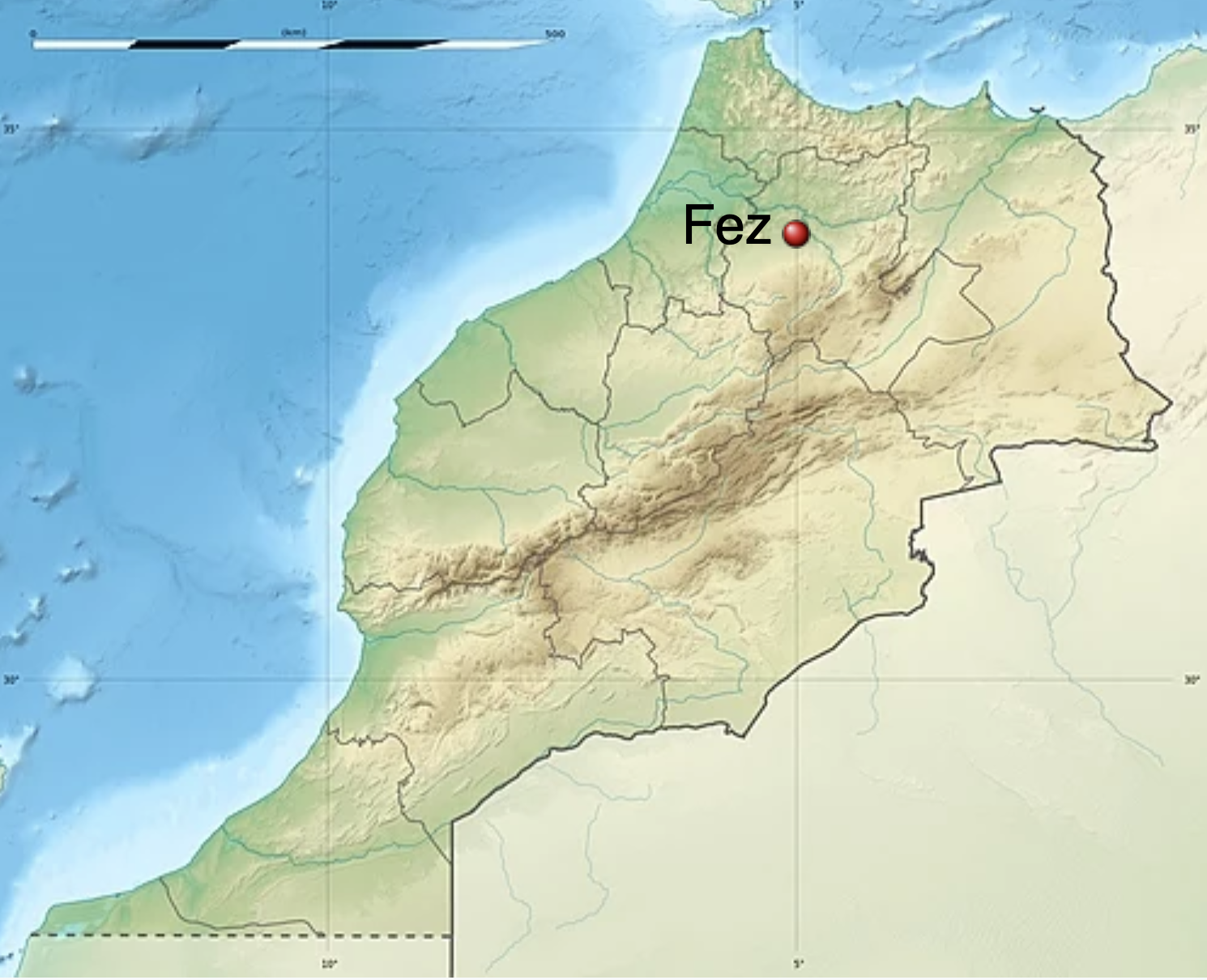
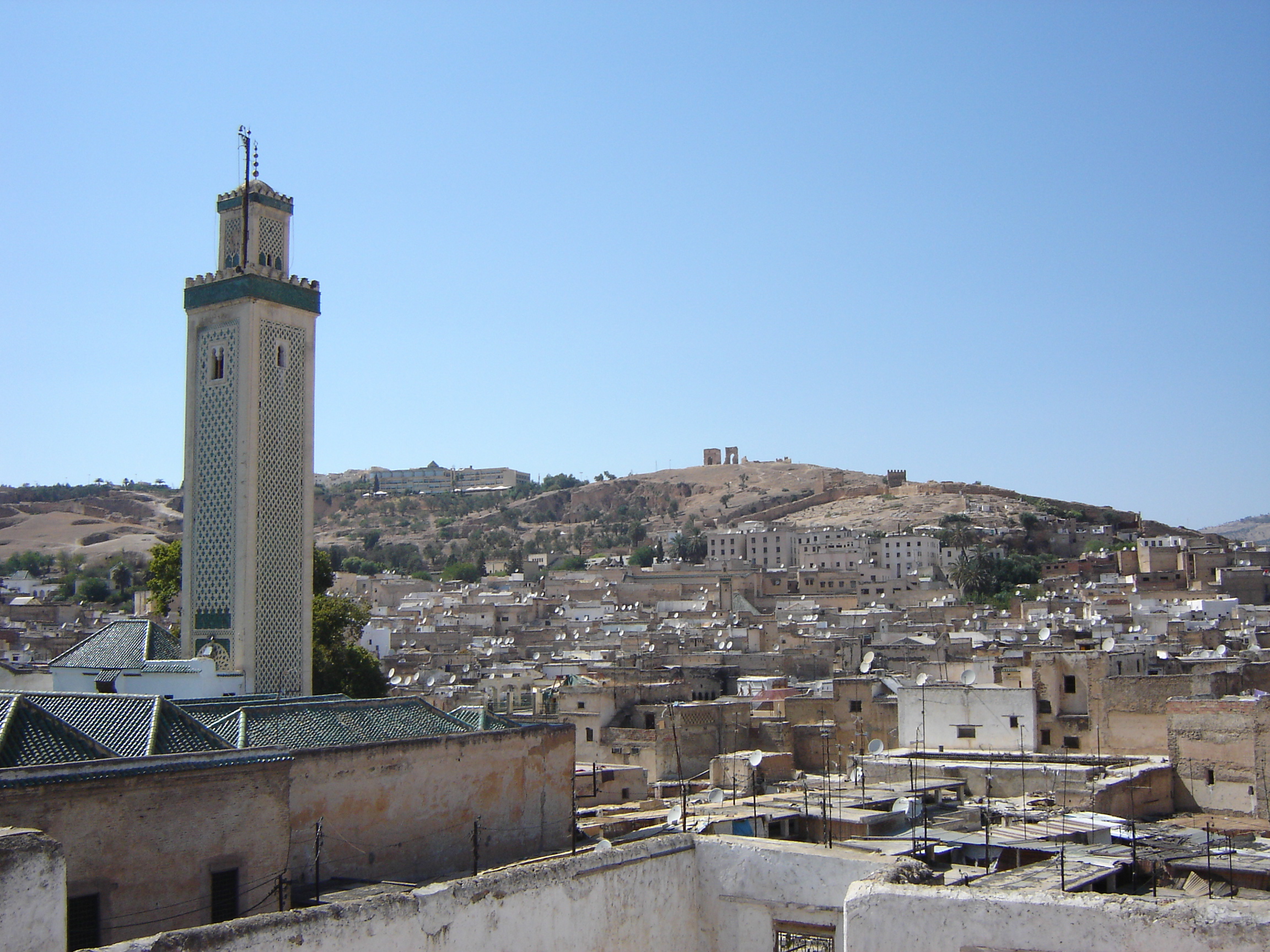
The Medina of Fez, often referred to as Fes el-Bali, is one of the world's largest urban pedestrian zones and a UNESCO World Heritage site, renowned for its rich history that dates back to the 9th century. This ancient walled city is the heart of Fes and is famous for its labyrinthine streets and vibrant cultural life.

As visitors wander through the narrow alleys, they can explore the bustling souks and marketplaces selling everything from spices and textiles to ceramics and jewelry. Architectural highlights include the Al-Qarawiyyin University, recognized by the Guinness World Records as the oldest continuously functioning university in the world, and the ornate Bou Inania Madrasa, both showcasing exquisite Islamic architecture.

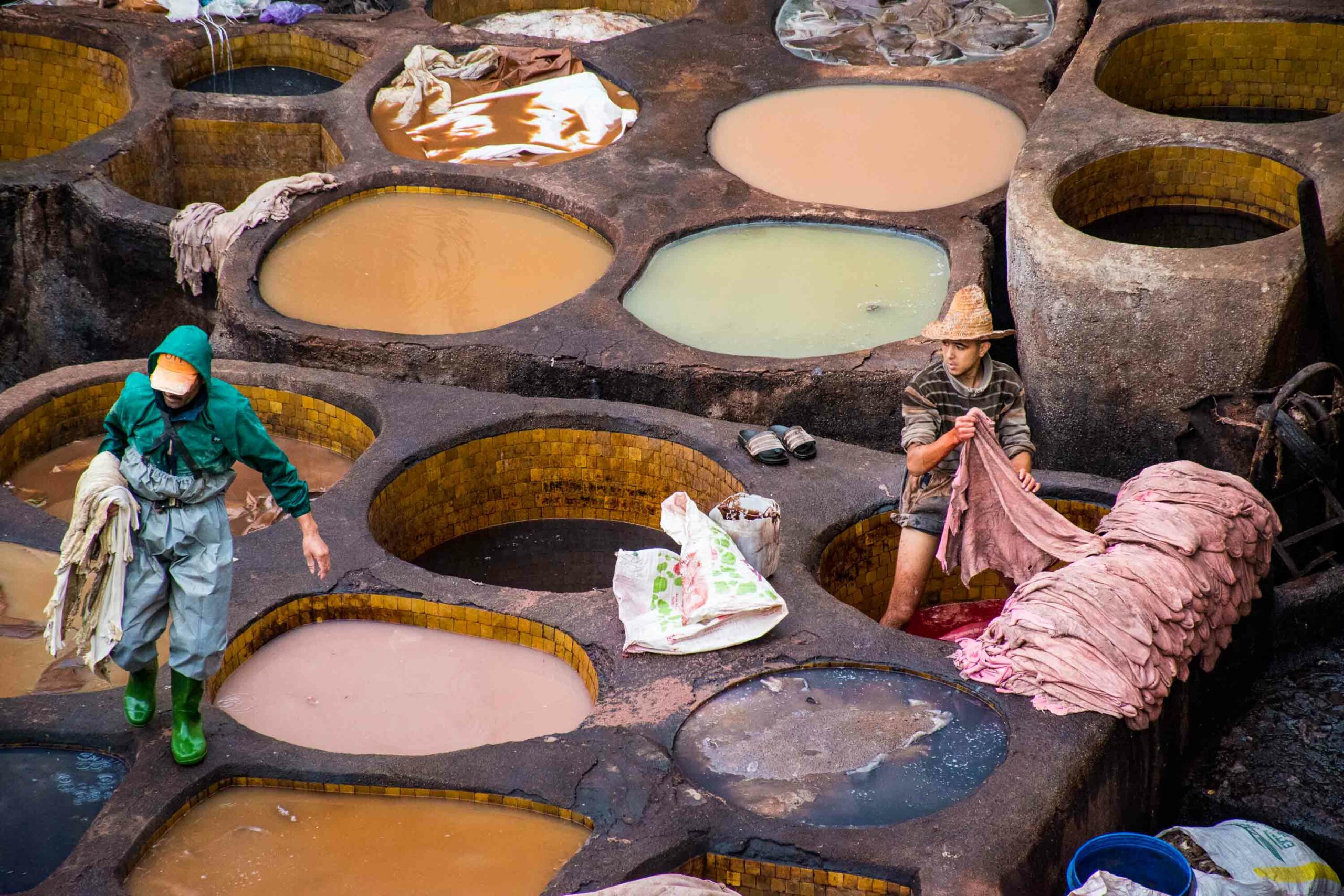
The medina is also known for its traditional tanneries, where leather is dyed in colorful vats using centuries-old methods—a sight that offers a window into the historic trades that have flourished in this city.

For travelers looking to experience authentic Moroccan culture, the Medina of Fes offers an unparalleled glimpse into the past, with its medieval architecture, traditional crafts, and vibrant atmosphere. It is an essential destination for those visiting Morocco, promising a memorable journey through its rich history and heritage.

Role in the Trans Saharan Trade Route

The Medina of Fes played a crucial role in the Trans-Saharan trade routes, significantly contributing to its prosperity and development as one of the most important cities in Morocco. This influence is evident in various aspects of its historical and cultural evolution:

Economic Center: Fes was strategically located to serve as a key link between the northern cities of Morocco and the sub-Saharan region. As a result, it became a major commercial hub where goods from across Africa, Europe, and the Middle East were exchanged. The city thrived on trade in gold, salt, ivory, and slaves, which were transported across the desert from sub-Saharan Africa to Fes and then distributed throughout the Mediterranean and Europe.

Cultural and Educational Flourishing: The wealth accumulated through trade facilitated cultural and intellectual richness. Fes is home to the University of Al-Qarawiyyin, founded in 859 AD, recognized as one of the oldest universities in the world. The university attracted scholars from various parts of the world, turning the city into a major intellectual center where knowledge in theology, medicine, mathematics, and law was developed and disseminated.

Architectural Developments: The prosperity brought by the trade routes also led to architectural advancements. The Medina of Fes is renowned for its intricate urban fabric and beautiful buildings, including madrasas, mosques, and fountains, which were often endowed by wealthy merchants and rulers. These structures not only served religious and educational purposes but also helped in the administration of the trade.

Social and Political Influence: The strategic importance of Fes in the Trans-Saharan trade also translated into considerable political power. The city was often the seat of Moroccan royal power, and its rulers used the wealth from trade to strengthen their rule and influence across the region.

In conclusion, the Trans-Saharan trade routes were instrumental in shaping the Medina of Fes into a bustling economic, cultural, and political center. The impacts of these trade networks are still visible today in the city's rich cultural heritage and historical architecture.

Al-Qarawiyyin University - Medina of Fes (UNESCO World Heritage Site)
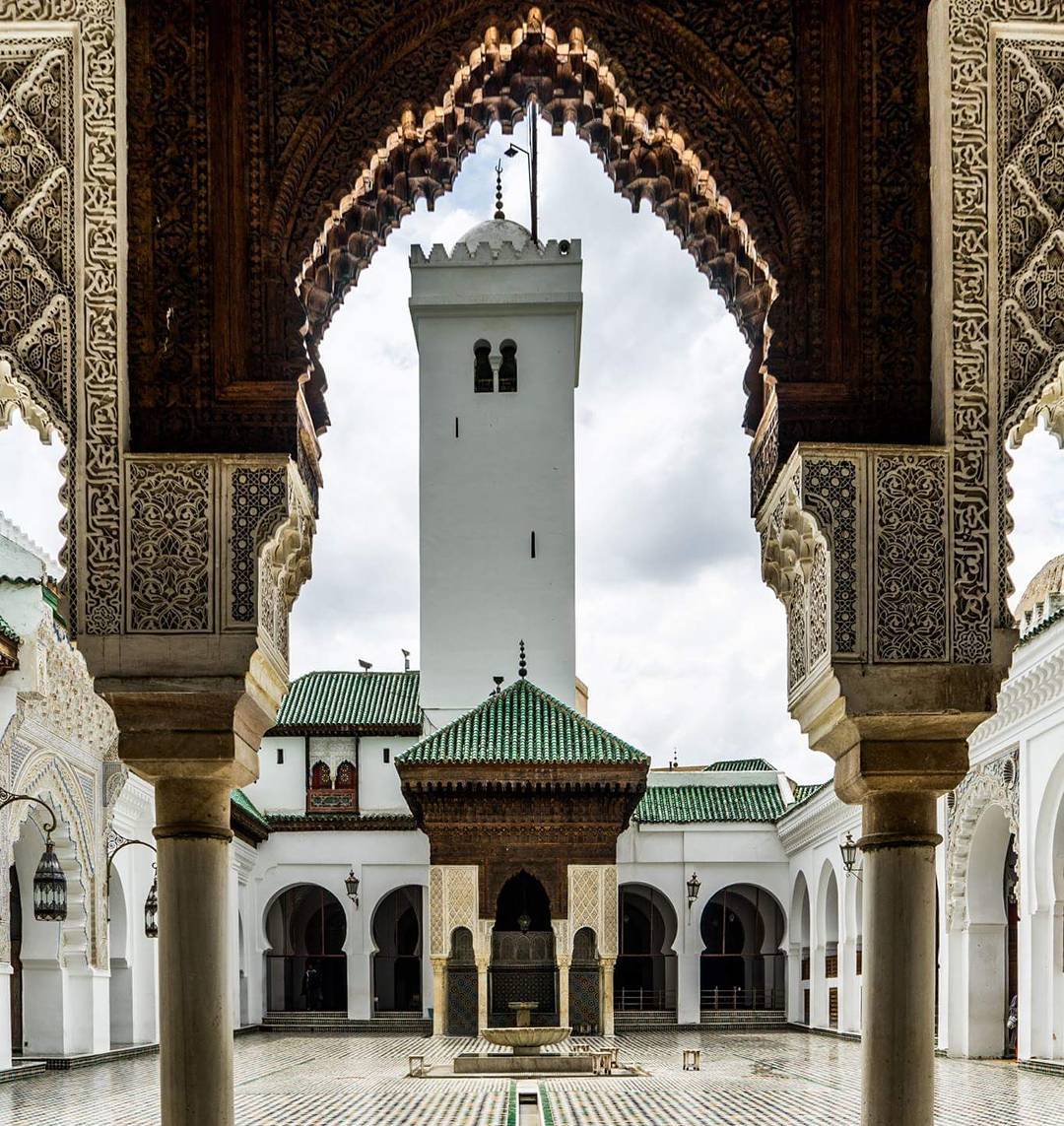
Al-Qarawiyyin University, located in the heart of the Medina of Fes, Morocco, is recognized by UNESCO and the Guinness World Records as the oldest continuously operating degree-granting university in the world, having been founded in 859 AD by Fatima al-Fihri, a woman notable for her devotion to education and religion. Originally built as a madrasa, Al-Qarawiyyin has been a key religious and educational center throughout history, greatly influencing the Muslim world.

The university is renowned for its beautiful architecture, which features traditional Islamic design elements, including intricate tile work, carved wood, and ornate calligraphy. Its library, recently renovated, houses a priceless collection of medieval manuscripts, some penned by historically significant scholars, which attracts researchers and academics from around the globe.

Al-Qarawiyyin University remains an active educational institution, offering courses in Islamic studies, law, and Arabic literature. It stands as a testament to the rich academic and cultural heritage of Morocco and is a must-visit for those interested in the history of education, architecture, and Islamic culture.

Role in the Trans Saharan Trade Route

Al-Qarawiyyin University in Fes, while primarily an educational and religious institution, indirectly played a significant role in the Trans-Saharan trade routes by serving as a center of learning and knowledge exchange. This role can be appreciated through several dimensions:

Cultural Exchange and Intellectual Hub: As traders moved across the Sahara, Fes became a melting pot of cultures and ideas. Al-Qarawiyyin, established in 859 AD, was at the heart of this interchange, attracting scholars, theologians, philosophers, and scientists from across the Islamic world and beyond. This exchange enriched the curriculum and intellectual life at the university, contributing to its reputation as a leading educational institution in the medieval world.

Education of Traders and Scholars: The university educated many who were directly or indirectly involved in the trade routes. Knowledge in geography, languages, and religious law was crucial for traders who navigated diverse cultural landscapes. Al-Qarawiyyin provided such education, which was essential for the successful operation of trade across difficult terrains and among various peoples.

Preservation and Dissemination of Knowledge: Al-Qarawiyyin was also pivotal in the preservation and dissemination of scientific and cultural knowledge through its library, one of the oldest in the world. Manuscripts on mathematics, medicine, astronomy, and languages were both preserved and produced here. These works supported advancements in navigation, commerce, and diplomacy, which were critical for the traders on the Trans-Saharan routes.

Promotion of Islamic Law and Governance: The university was a center for the study of Islamic law, which played a role in governing the protocols of trade and commerce in the Islamic world. Knowledge of Sharia law enabled traders to engage in business dealings that were legally sound and culturally respected across different Islamic regions connected by the trade routes.

In summary, while Al-Qarawiyyin University was not directly involved in trade activities, its influence as a center of learning and its contributions to the intellectual, cultural, and legal frameworks significantly supported and were shaped by the dynamics of the Trans-Saharan trade routes.

DAY 9

Chouara Tannery - Medina of Fes (UNESCO World Heritage Site)
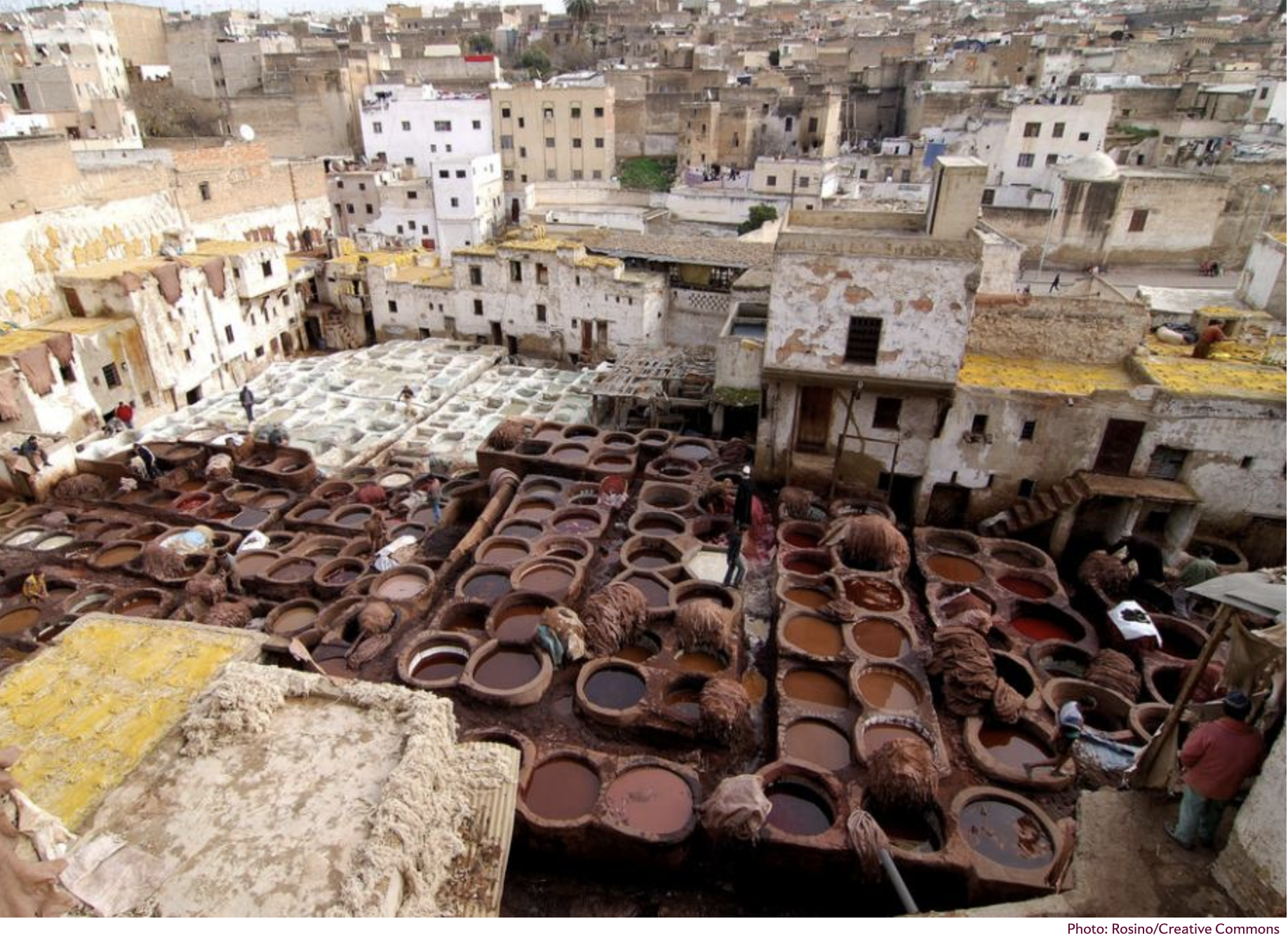
Nestled within the ancient medina of Fez, the Chouara Tannery stands as one of the oldest and most iconic tanneries in the world, dating back to the 11th century. This UNESCO-listed site offers a rare window into the traditional methods of leather production that have been passed down through generations.

As you approach Chouara Tannery, the first thing that strikes you is the vivid array of colors and the pungent odor of natural tanning processes. The tannery is composed of numerous stone vessels filled with a vast range of dyes and various liquids. Leather hides are soaked, treated, and dyed by hand using techniques that have changed little since medieval times.

The tanners, working in conditions that seem almost unchanged from those of centuries ago, use natural ingredients like pigeon poop and cow urine to soften the hides—a practice that underscores the organic nature of traditional Moroccan leather crafting. After the softening process, the hides are dyed with natural substances such as poppy flower, saffron, indigo, and henna.

Visitors to Chouara Tannery can observe this fascinating process from surrounding terraces, offering a panoramic view that highlights the tannery's beautiful chaos and vibrant activity. The sight of artisans moving rhythmically between the vats, under the Moroccan sun, makes for a truly photogenic and educational experience.

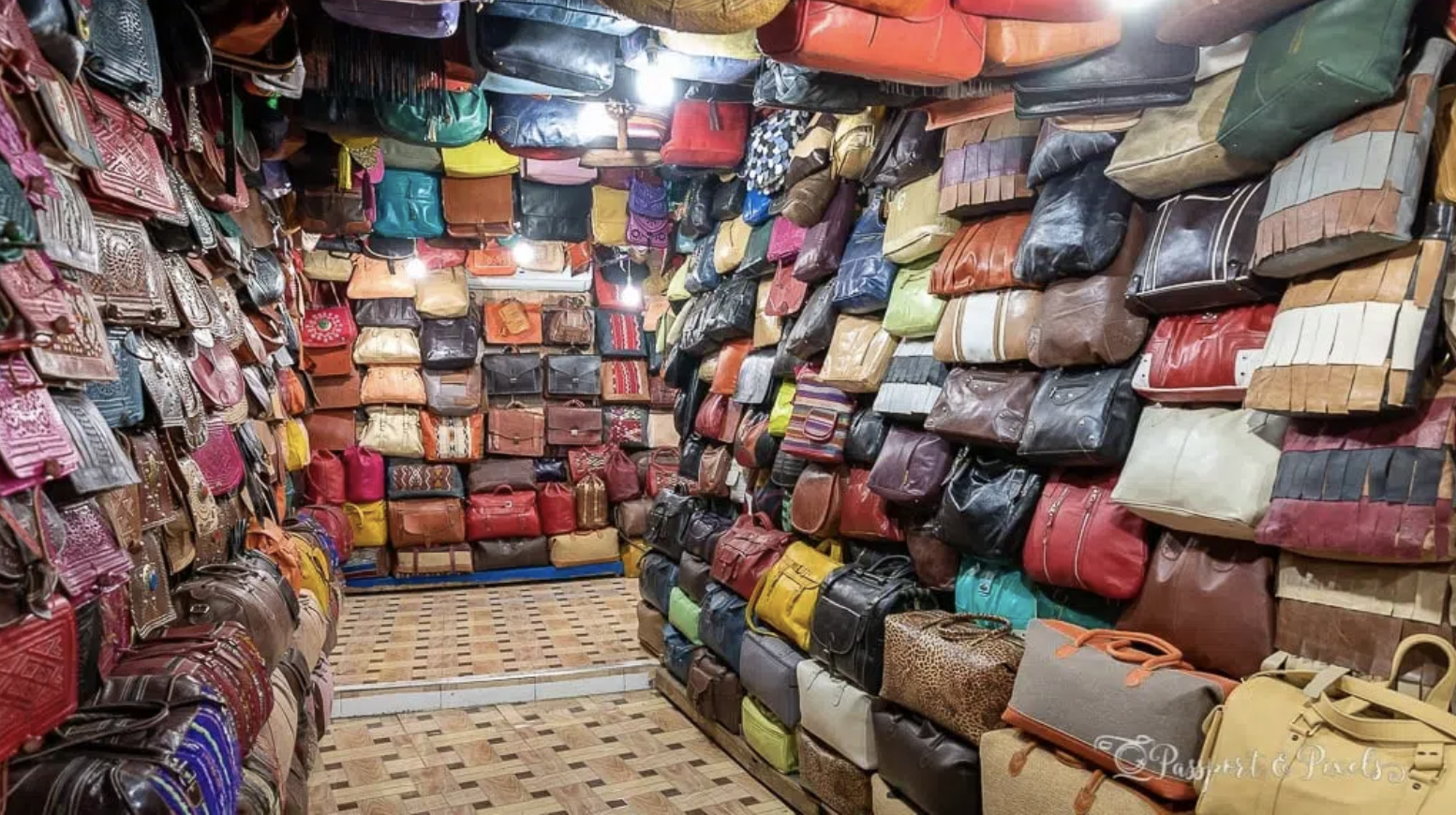
The Chouara Tannery not only provides insight into the labor-intensive nature of traditional leather production but also offers a chance to purchase authentically crafted leather goods directly from the artisans. Items like bags, jackets, shoes, and belts are available for purchase, making it possible to take a piece of Moroccan heritage home.

Visiting the Chouara Tannery is more than just a tourist stop; it is an immersion into a craft that has defined Fez’s economic and cultural landscape for centuries. This enduring tradition is a testament to the city's resilience and its artisans' dedication to preserving their craft in the face of modernization.

Role in the Trans Saharan Trade Route

Chouara Tannery, with its rich history stretching back over centuries, played a significant role in the economic and cultural exchanges along the Trans-Saharan Trade Routes. Located in the heart of Fez, Morocco, the tannery was more than just a local production site; it was a crucial node in a vast network of trade that connected Africa north of the Sahara to Sub-Saharan Africa and beyond.

Economic Role

Leather Production: Chouara Tannery specialized in the processing of high-quality leather, a highly prized commodity in the medieval period. Leather from Fez was renowned for its durability and craftsmanship, which made it a valuable export item. This leather was used to make a variety of goods, from luxurious book bindings and elegant attire to practical items like saddles and bags.

Trade Goods: The leather goods produced at Chouara and other tanneries in Fez were traded across the Sahara for gold, salt, ivory, and slaves. These goods were then further exchanged in the markets of Europe, the Middle East, and other parts of Africa, making them integral to the transcontinental trade networks.

Cultural Impact

Cultural Exchange:As a hub in the trade network, the tannery facilitated not only the exchange of goods but also of ideas, techniques, and cultural practices. Artisans at Chouara would have interacted with traders from across the continent, leading to a melding of artistic and technical knowledge that influenced the tannery’s products.

  1. Technological Influence: The traditional methods used in Fez, such as using natural dyes and materials for processing leather, showcased the advanced techniques developed in North Africa. These methods were often observed and adopted by traders and artisans from other regions, helping spread knowledge across trade routes.
  2. Economic Development: The success of Chouara Tannery contributed to Fez becoming a flourishing city during the medieval period. Its economy was significantly boosted by the trade in leather goods, aiding in the city’s development as a center of commerce and learning within the Islamic world.

Overall, Chouara Tannery's role in the Trans-Saharan Trade Routes illustrates how a single craft or industry can influence widespread economic networks and cultural exchanges. The tannery was not only central to the local economy of Fez but also to the broader intercontinental trade that connected distant parts of the world through the exchange of high-value goods and cultural practices.

DAY 10 - 11

Fes to Merzouga 

Travel Time: Approximately 7 hours by car

Accommodation: Desert camp run by local Berber community 

Activities:

    • Day 10: Arrive and rest.
    • Day 11: Camel trek and overnight in a desert camp.

DAY 10

Merzouga 

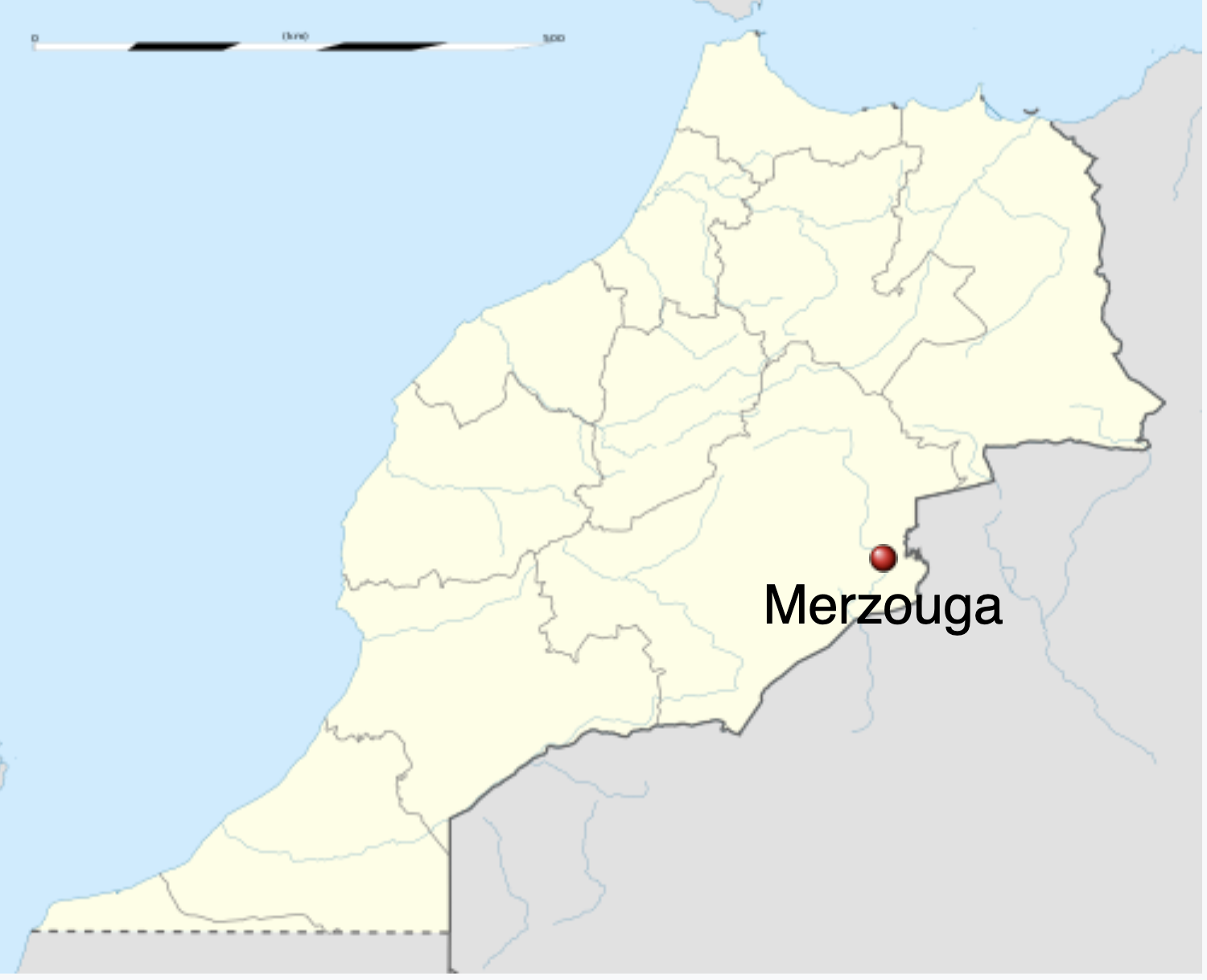
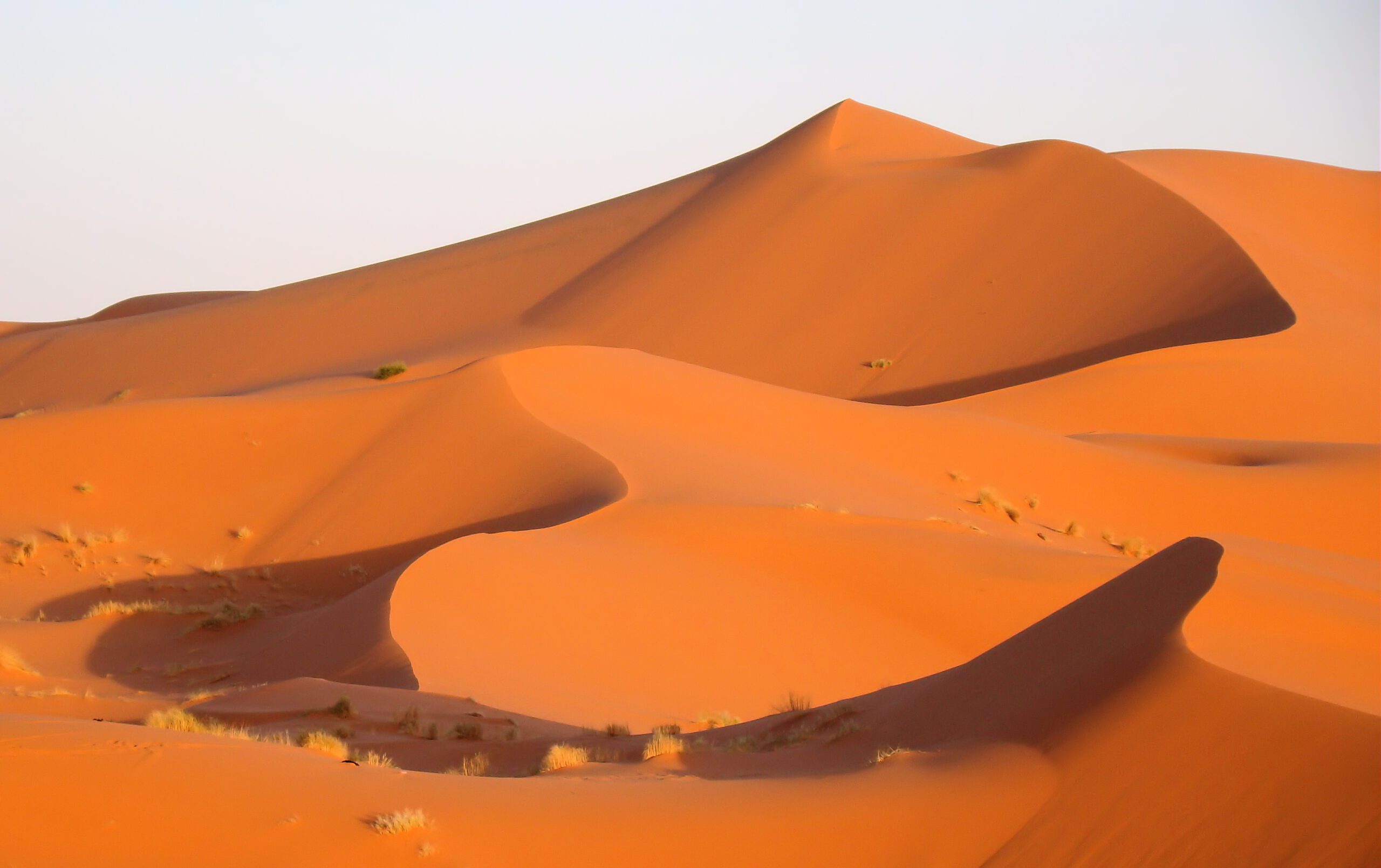
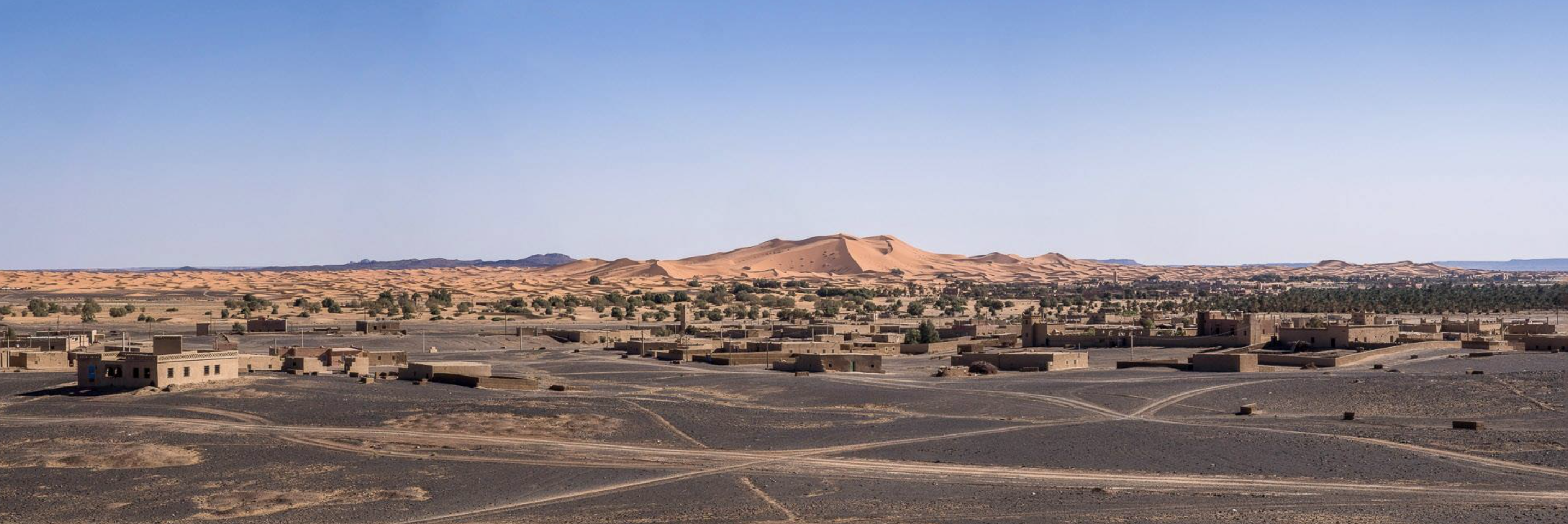
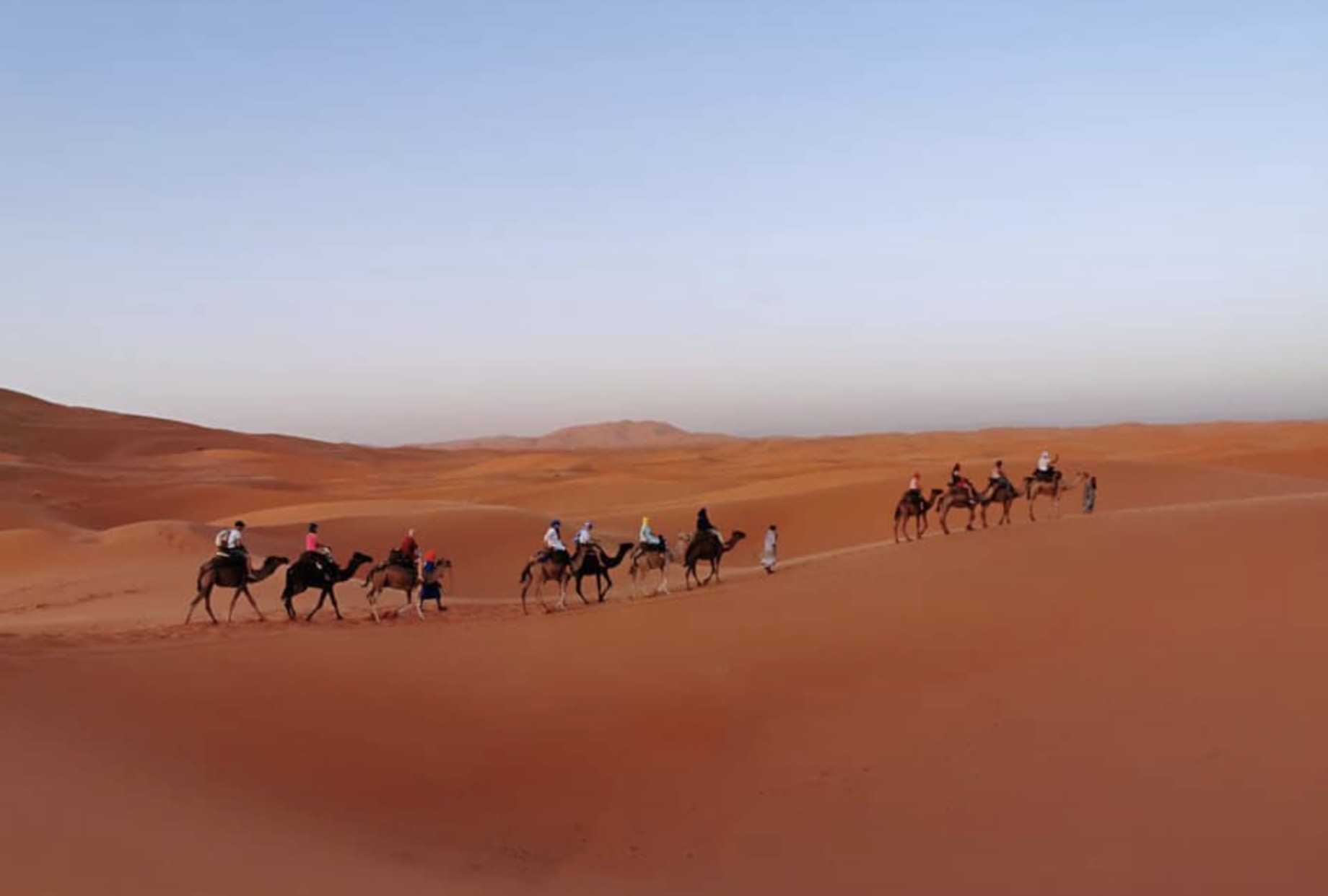
Merzouga is renowned for its proximity to Erg Chebbi, one of Morocco's most spectacular natural wonders. This small village is the gateway to stunning sand dunes known for their remarkable orange and golden hues, offering an iconic desert landscape that is quintessentially Saharan. A visit to Merzouga typically includes several must-do activities: camel treks across the dunes, overnight stays in desert camps under starlit skies, and the unique experience of sunrise and sunset over the vast sand sea. The excursions often involve dune climbing and enjoying the serene atmosphere of the desert, making Merzouga a top destination for those seeking both adventure and tranquility in Morocco.

Role in the Trans Saharan Trade Route

Merzouga and the Erg Chebbi dunes, located near the southeastern border of Morocco, played a historical role as part of the broader network of the Trans-Saharan trade routes. These routes were crucial in connecting North Africa with sub-Saharan Africa, facilitating the exchange of goods, cultures, and knowledge.

While Merzouga itself is a small village, its proximity to the large and accessible Erg Chebbi dunes made it a strategic location for trade caravans passing through the Sahara. These caravans were primarily involved in the lucrative trade of gold, salt, and other valuable commodities. The area served as a resting and resupply point for traders and travelers braving the harsh desert environment. The geographical features of Erg Chebbi, with its significant dune field providing natural landmarks and shelter, likely contributed to its role as a waypoint on the desert leg of the Trans-Saharan journeys

DAY 10

Overnight at a Berber Desert Camp in Erg Chebbi 
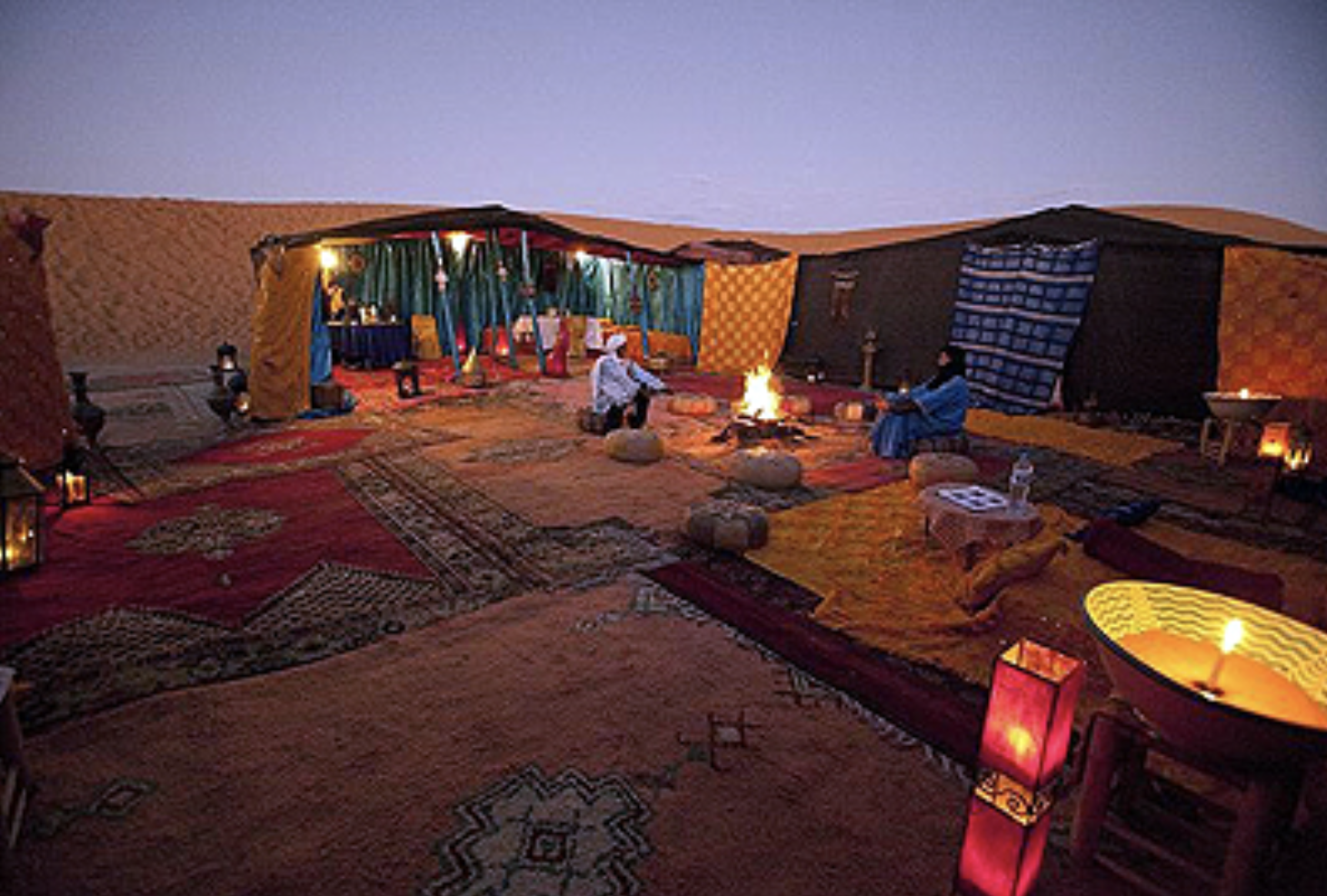
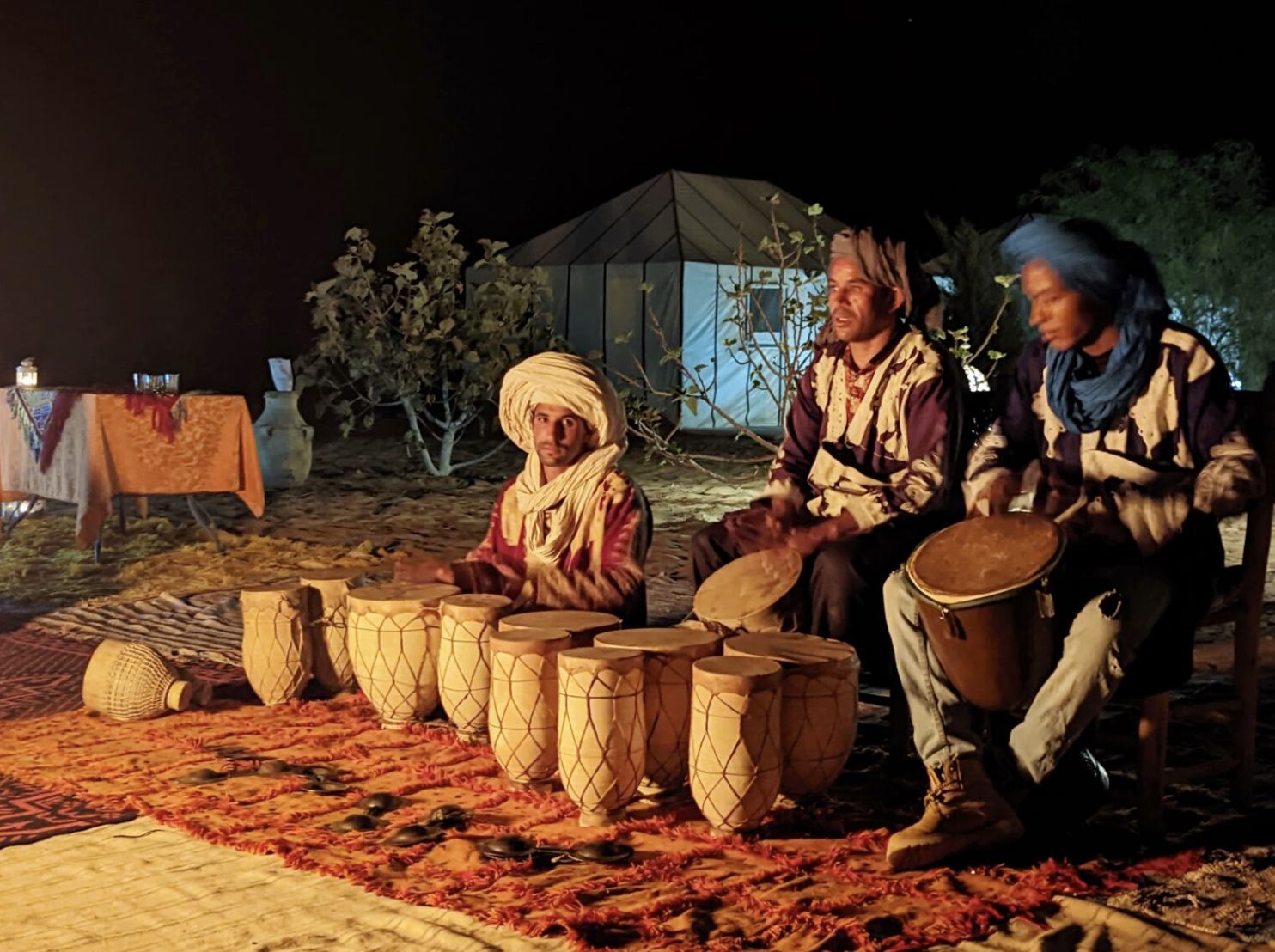
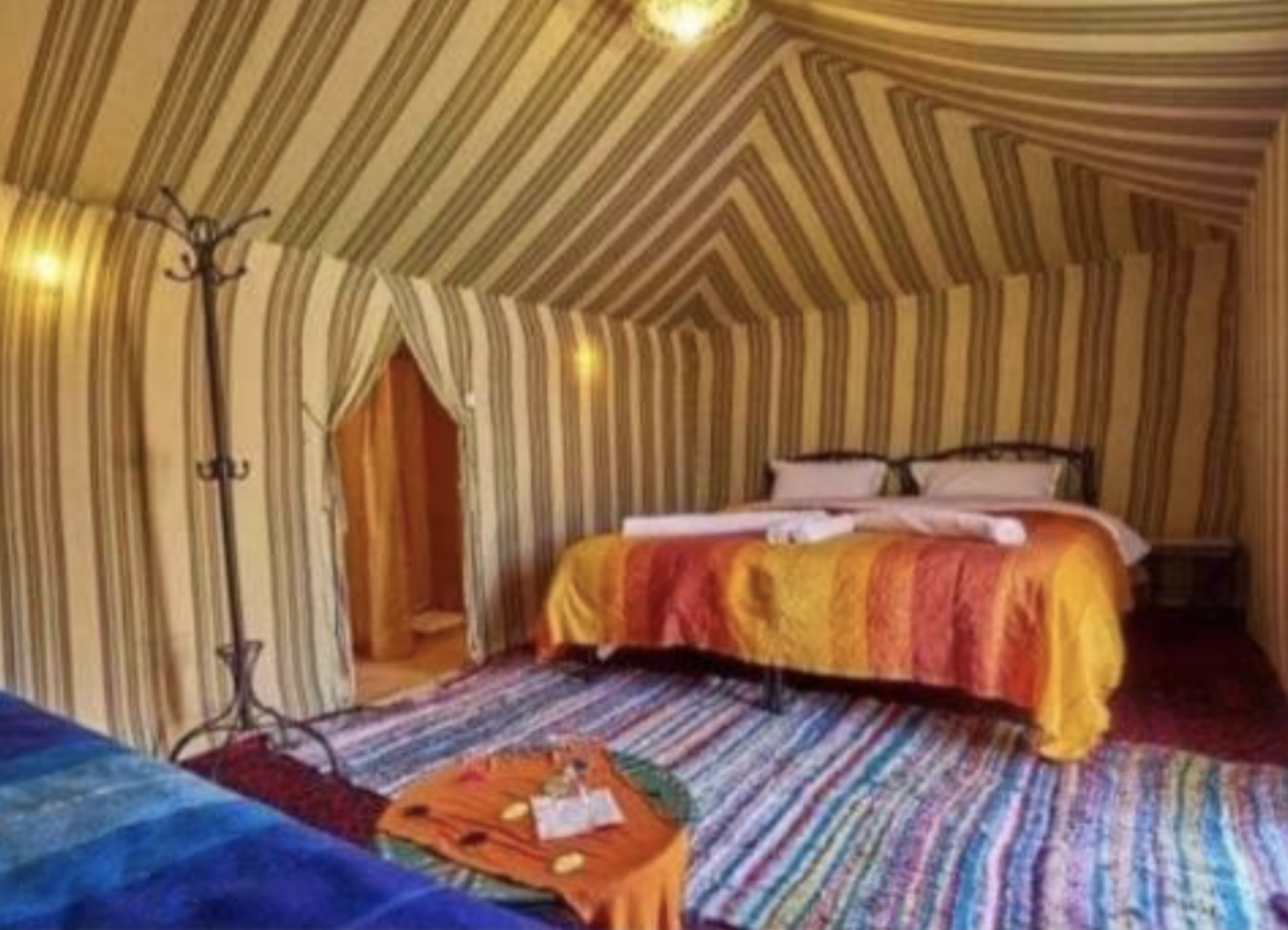
The Berber Fire Camp in Erg Chebbi offers an authentic 100% Berber owned quintessential desert experience in Morocco, allowing visitors to immerse themselves in the rich Berber culture amid the stunning landscapes of the Sahara Desert. This camp provides an authentic stay in traditional Berber tents, which are equipped to offer comfort while maintaining a rustic charm. Guests can enjoy a camel ride through the golden dunes of Erg Chebbi, often culminating in a scenic sunset view.

Once at the camp, the evening unfolds with a campfire, around which guests can gather to enjoy traditional Berber music and storytelling under the stars. The experience is not only a highlight for those seeking adventure but also for those looking to connect with the deep cultural heritage of the Berber people. This setting offers a peaceful retreat from the modern world, where the quiet of the desert and the warmth of the fire create a memorable atmosphere of tranquility and camaraderie.

Included in Budget

  • 4* and 5* Accommodation (Hotel, Lodge, Tented Camp, Guest-House)
  • Breakfast
  • Rental Car
  • TourGuide
  • Scheduled air transfers Morocco - Algeria - Mali and back
  • Petrol & Toll Gates
  • Activities
  • National Park Entrance Fees

Excluded in Budget:

  • International Flights to Rabat and back
  • Meals, drinks and laundry not specified in the final itinerary or as outlined in the Includes
  • Gratuities and any items of a personal nature
  • Flights and transfers not specified
  • Travel Insurance
  • Visa fees (please be sure to check if visas are required)
  • Travel Insurance - should you be interested we can introduce you to our recommended partners

Booking Conditions

  • Rates are quoted on a per person sharing basis
  • Accommodation might change due to availability
  • Single traveller supplement and child rates will be quoted on request
  • Flight rates are subject to change
  • Southern Cross Experiences (PTY) Ltd. may need to pass on cancellation/amendment costs once bookings including  accommodation and the flight offer have been confirmed
  • The rates quoted are subject to change without prior warning if there are any increases in park fees, ROE, fuel, sales tax or VAT, third-party services or any other circumstances beyond our control in the countries featured in this quote
  • Southern Cross Experiences PTY Ltd. Terms and Conditions apply
  • Validity until 31. July 2024

Our High-End Business Clients: