
Fifteen days, seven stations, five UNESCO World Heritage Sites — following Africa's great water systems from the seasonal rains of the Serengeti to the vertical plunge of the Zambezi.
This journey follows water through five transformations. From the seasonal rains that drive the Great Migration, through the ancient depths of Lakes Tanganyika and Malawi, the untamed Zambezi, the labyrinthine channels of a river that flows inland into sand, to the largest curtain of falling water on earth. Five UNESCO World Heritage Sites mark the stations along a route where every landscape is defined by its relationship to water — and every culture by its dependence on it.
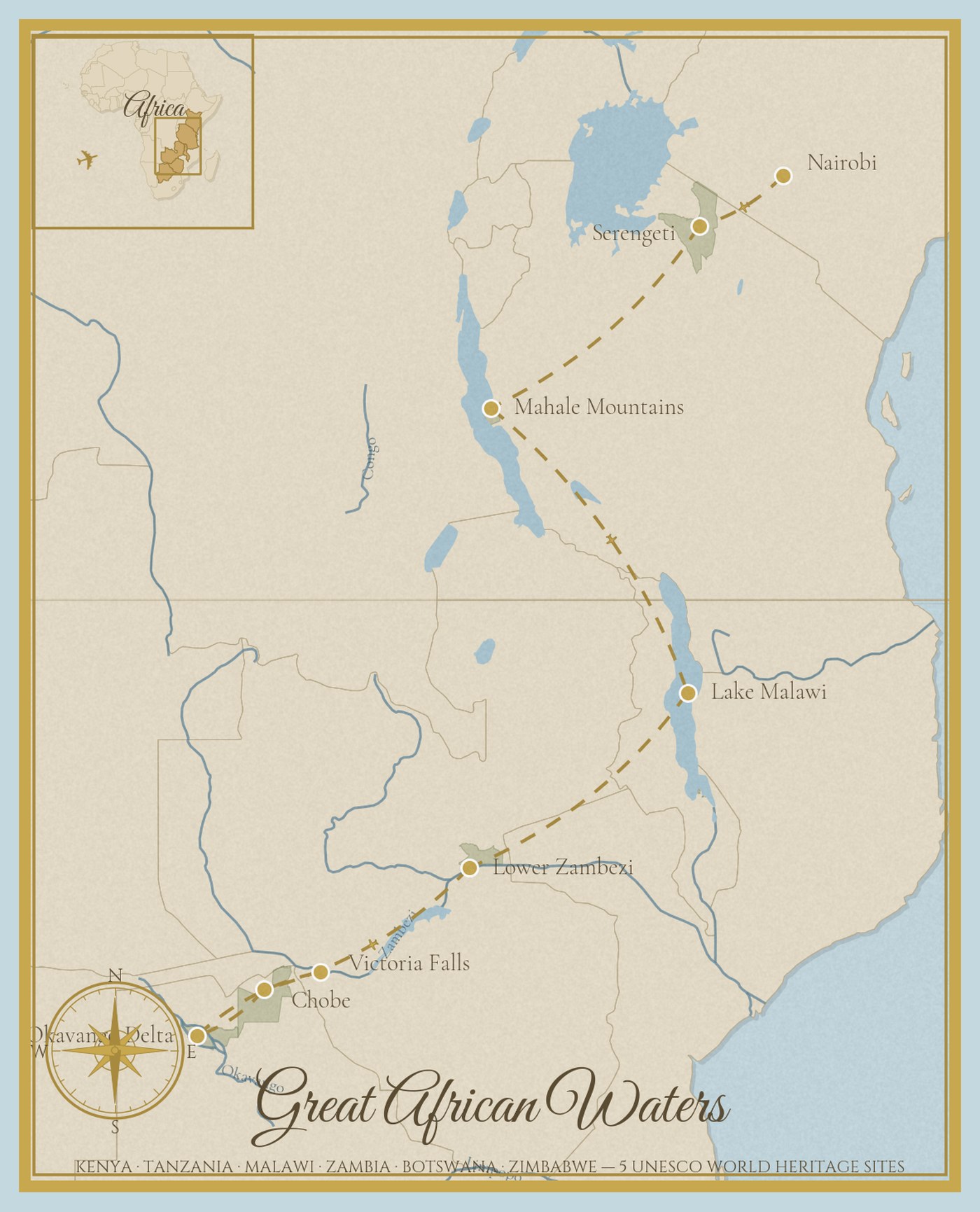
| Days | Station | Nights | Heritage Highlight | |
|---|---|---|---|---|
| 1 – 2 | Serengeti, Tanzania Private concession · Great Migration · Big Five 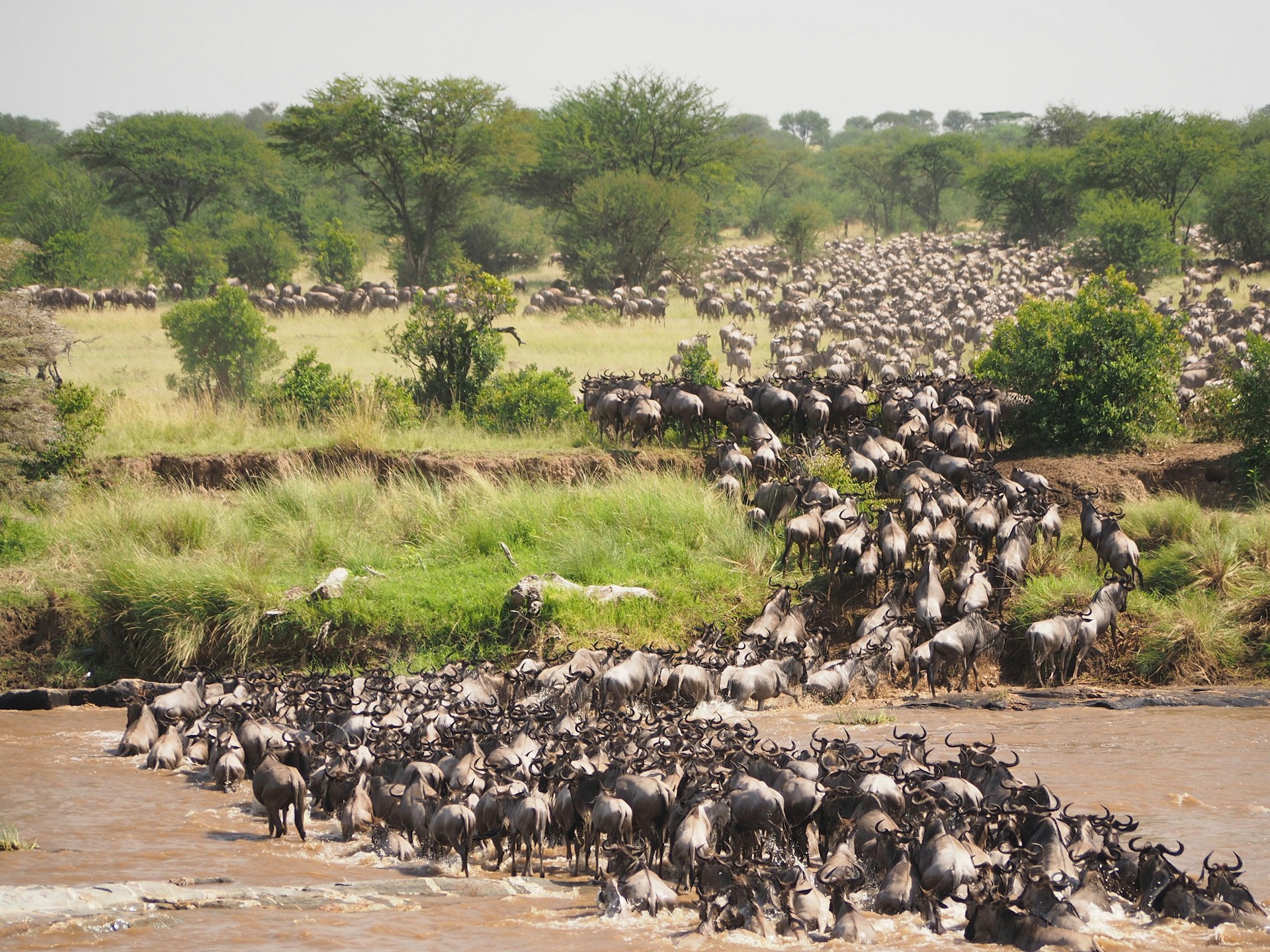 | 2 | Serengeti NP (UNESCO) | ▼ |
The Serengeti is water as rainfall — the seasonal rains that drive the Great Migration of 1.5 million wildebeest. A private concession on the western corridor: 350,000 acres of wilderness, substantially fewer vehicles than the central Serengeti. The grasslands here are the ecological product of the East African Rift's tectonic activity. Great MigrationBig FiveWalking SafariBalloon SafariRetima Hippo Pool
| ||||
| 3 – 4 | Mahale Mountains, Tanzania Forest camp · Wild chimpanzees · Lake Tanganyika 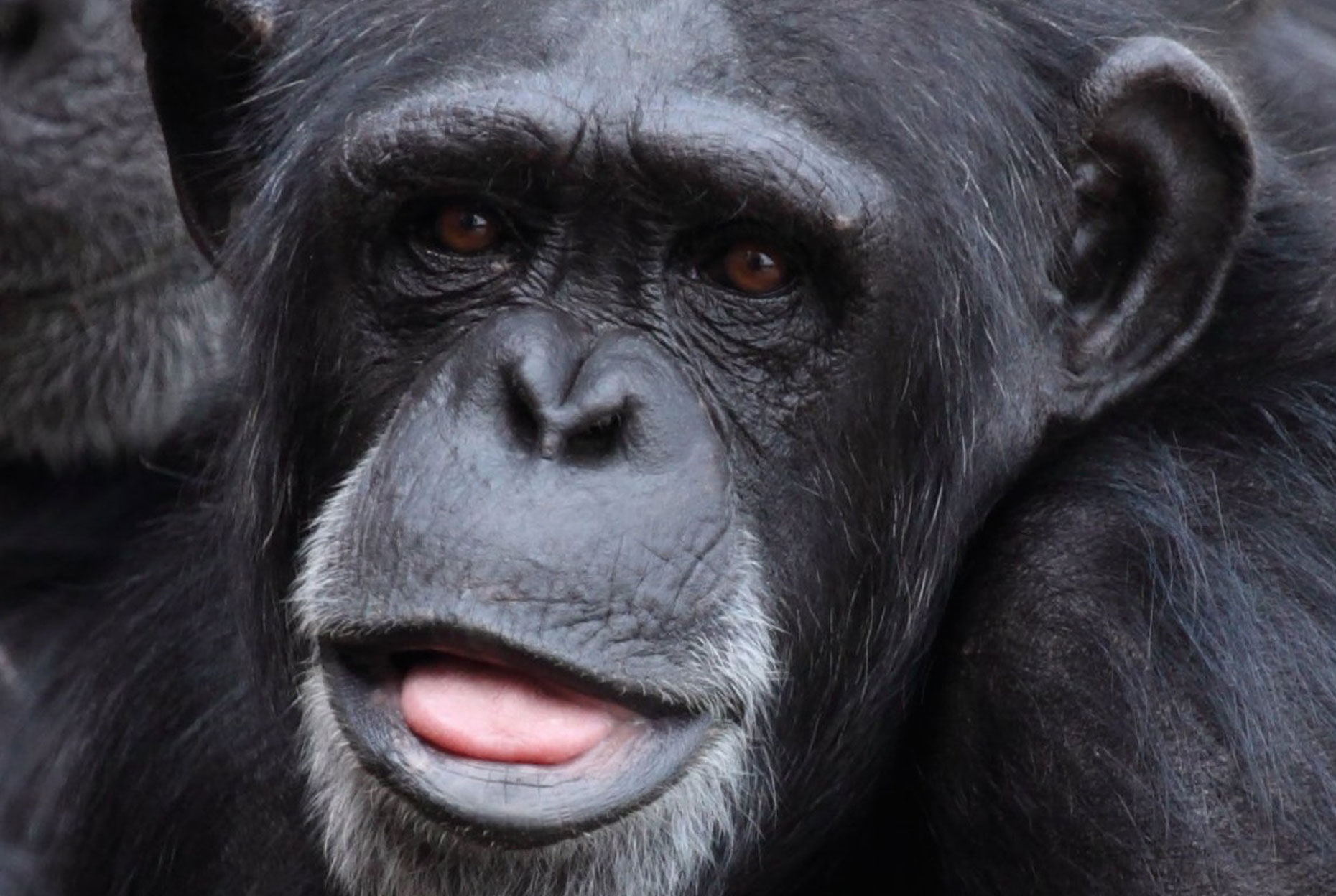 | 2 | Wild chimpanzees · Lake Tanganyika | ▼ |
The most remote station on the route. A forest camp on the shores of Lake Tanganyika — the world's second-deepest lake, old enough for its own species to have evolved within it. Wild chimpanzees habituated over six decades by Japanese primatologists since the 1960s. No roads reach Mahale; access is by air and boat only. The transition from open savanna to montane forest is one of the most dramatic ecological shifts on any SCE route. Chimpanzee TrackingLake TanganyikaForest WalkKayakingFishing
| ||||
| 5 – 6 | Lake Malawi Island lodge · 1,000 cichlid species · Rock art day-trip 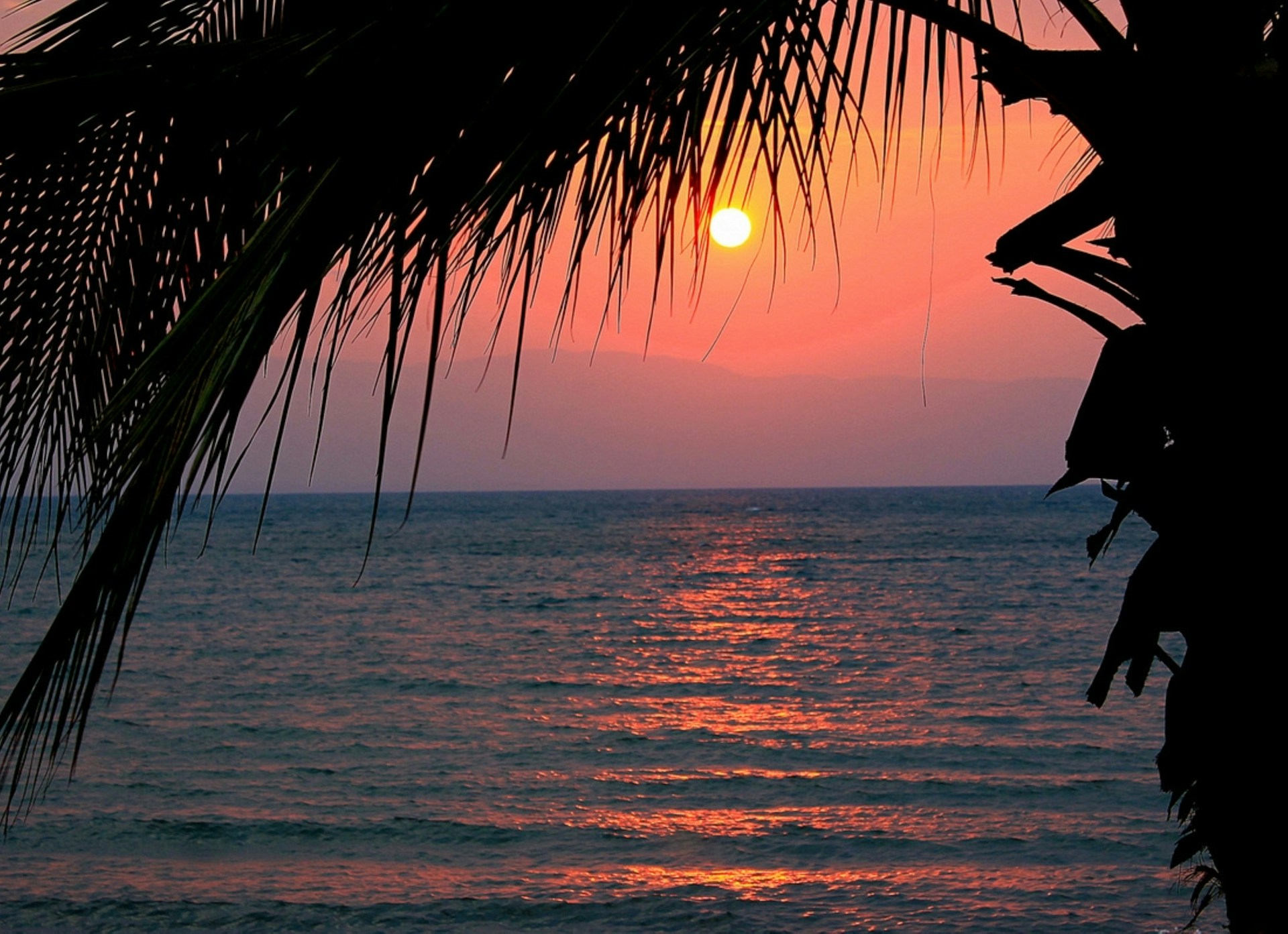 | 2 | Lake Malawi NP (UNESCO) · Chongoni Rock Art (UNESCO) | ▼ |
Water as ancient lake — Africa's third-largest, old enough for over a thousand cichlid fish species to have evolved within it through the same processes Darwin documented in the Galapagos. An island lodge on a granite outcrop in the southern reaches of the lake. Day excursion to Chongoni Rock-Art Area: 127 sites on the Malawi plateau documenting two millennia of BaTwa and Chewa painting traditions. Lake Malawi UNESCOChongoni Rock ArtSnorkellingKayakingDhow SailingVillage Visit
| ||||
| 7 – 8 | Lower Zambezi, Zambia River camp · Canoe safari · Tiger fishing 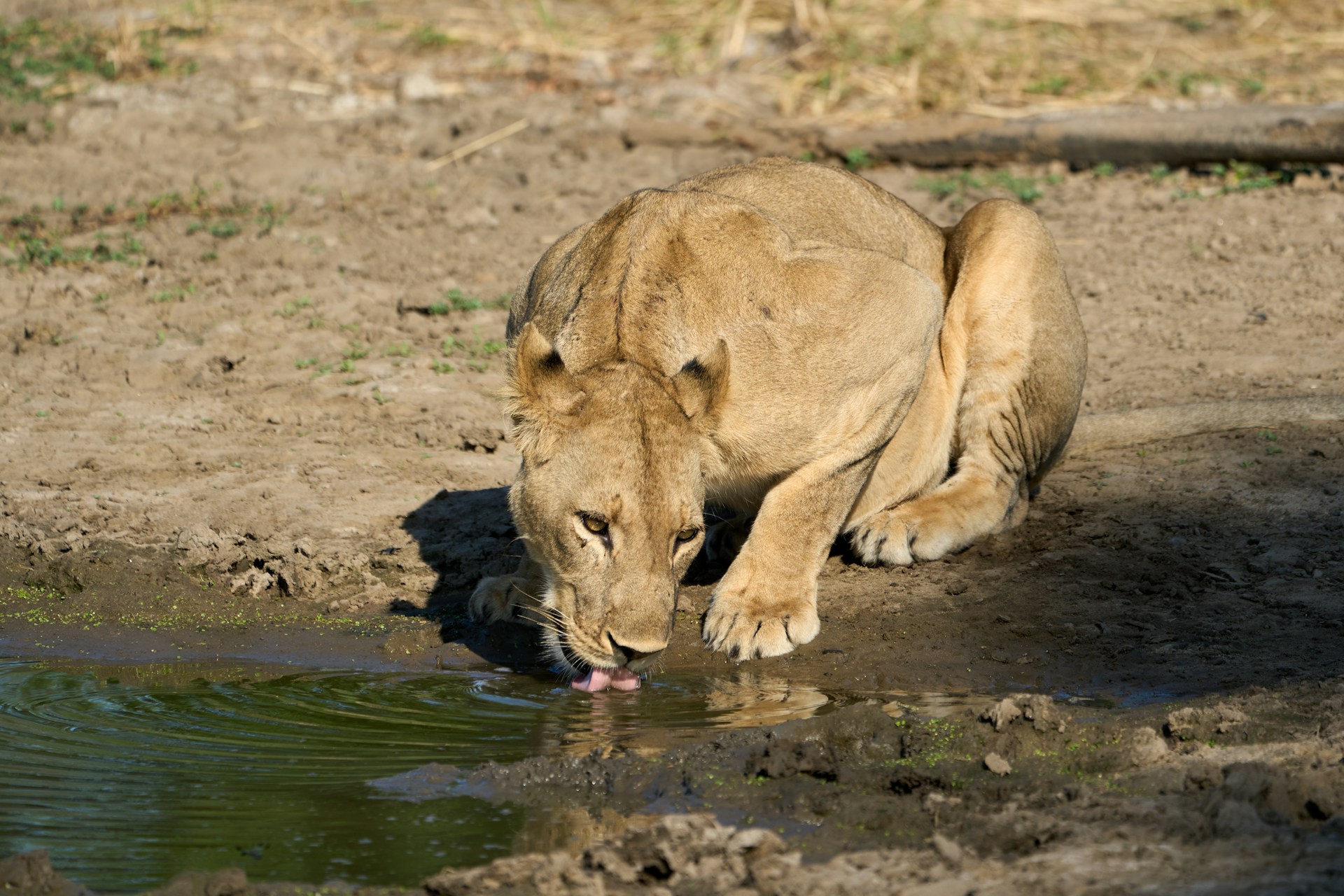 | 2 | Untamed Zambezi wilderness | ▼ |
Water as untamed river. A camp beneath a canopy of mahogany, ebony and winterthorn along the Zambezi — one of the last great undammed rivers in Africa. The Lower Zambezi faces the escarpment of the Zambezi Valley; elephant, buffalo and leopard move through camp. Canoe safari on the main channel, walking safari on the floodplain, and fishing for tiger fish. Canoe SafariWalking SafariTiger FishingBig FiveNight Drive
| ||||
| 9 – 10 | Chobe & Linyanti, Botswana Elephant corridor · 130,000 elephants · Wild dog 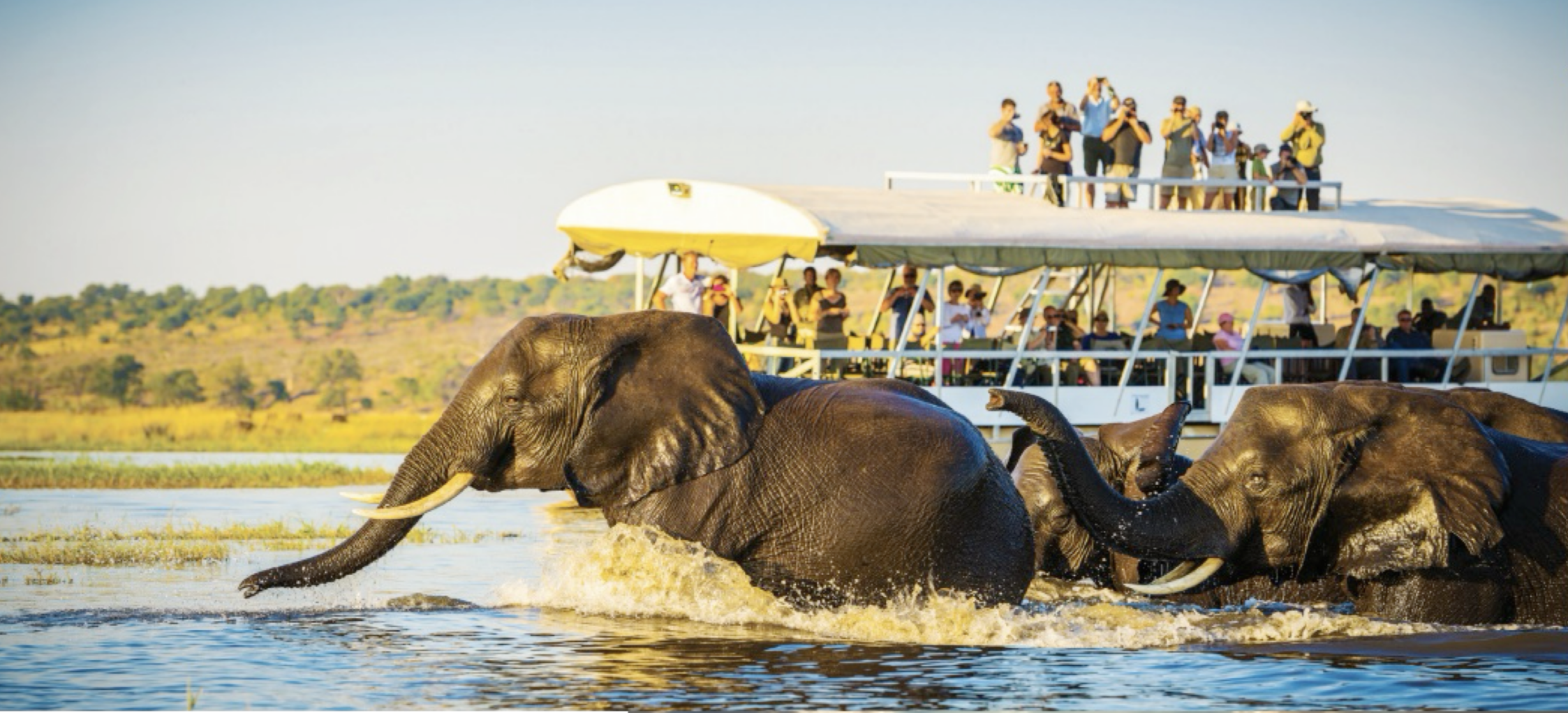 | 2 | Chobe elephant corridor | ▼ |
Water as floodplain — the Linyanti and Chobe river systems that form the elephant corridor between the Zambezi and the Okavango. Africa's largest elephant concentration: an estimated 130,000 elephants move through this landscape. A wilderness camp on the Linyanti concession, remote from the Chobe riverfront traffic. Wild dog, sable and roan antelope in significant numbers. Elephant HerdsWild DogBoat SafariNight DriveMokoro
| ||||
| 11 – 12 | Okavango Delta, Botswana Inland delta · Mokoro · Helicopter flight 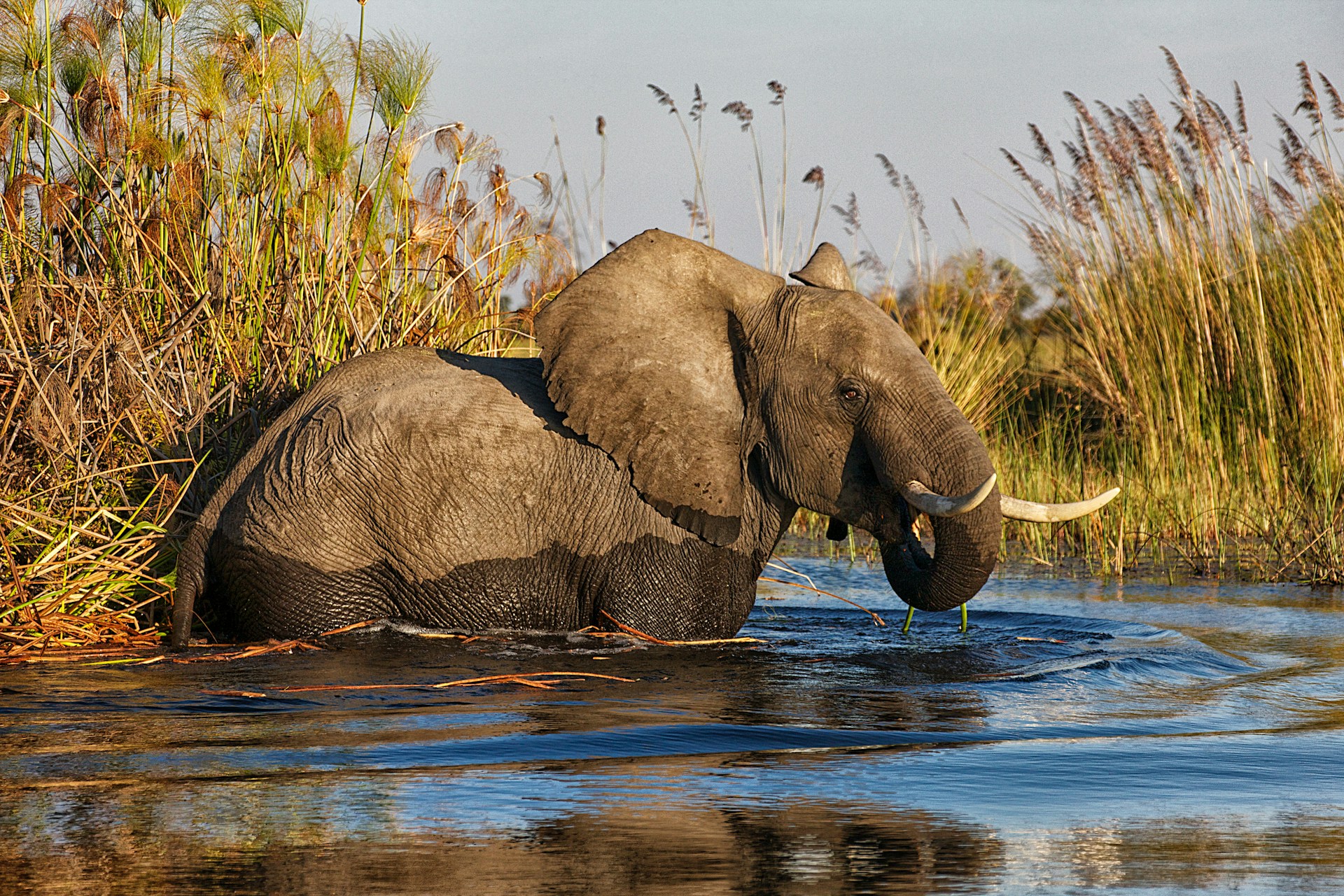 | 2 | Okavango Delta (UNESCO) | ▼ |
Water as anomaly — a river that flows inland, spreading into fifteen thousand square kilometres of labyrinthine channels and islands before vanishing into the Kalahari sands. The Okavango has no mouth, no sea, no outlet. It simply disappears. A premier camp on the heart of the delta: seasonal flood dynamics that create one of Earth's most dynamic ecosystems. The hydrological opposite of a normal river — and the landscape no other route in the portfolio reaches. Okavango UNESCOMokoroWalking SafariBig FiveHelicopter FlightStar Bed
| ||||
| 13 – 14 | Victoria Falls, Zambia River lodge · Flight of Angels · Zambezi cruise 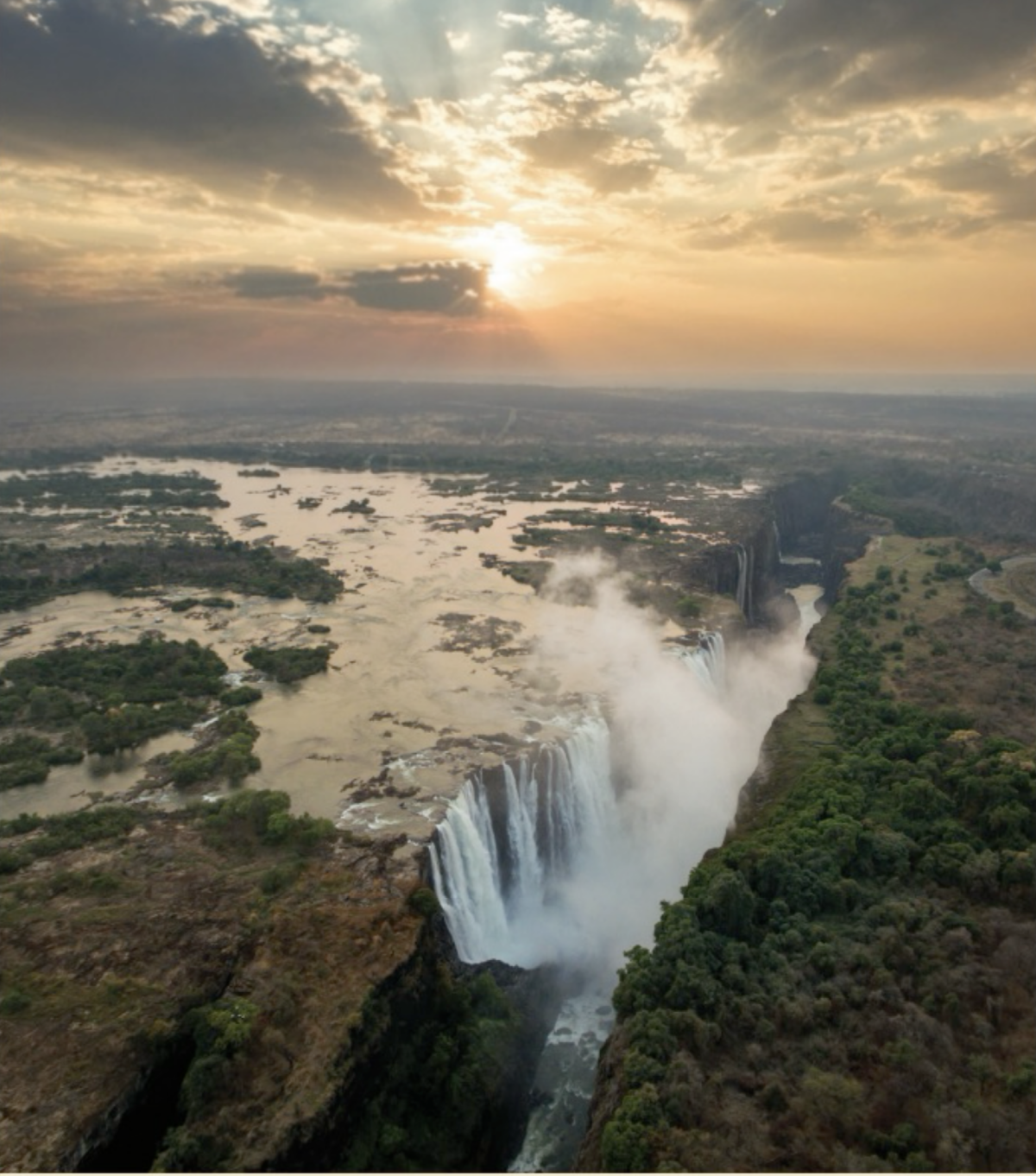 | 2 | Mosi-oa-Tunya (UNESCO) | ▼ |
Water as spectacle — the Zambezi dropping 108 metres along a 1.7-kilometre front, the largest curtain of falling water on earth. Where the Okavango whispers into sand, the Zambezi screams into basalt. A river lodge above the gorges on the Zambia side, with direct access to the falls and the river above them. Flight of AngelsZambezi CruiseDevil's PoolVictoria Falls BridgeWhite-Water Rafting
| ||||
| 15 | Departure | — | — | |
Click on a station to discover more
14 nights · 15 days — Five UNESCO World Heritage Sites visited
Water as rainfall. The seasonal rains that drive the Great Migration — 1.5 million wildebeest following a precipitation pattern that has not changed for millennia. Without this rainfall cycle, the ecosystem that defines East Africa would not exist. Water here is invisible: it falls, it greens the grass, the herds follow. The Serengeti is the product of the East African Rift's tectonic activity: the same forces that created the lakes on this route also created the grasslands.
Water as ancient lake. Africa's third-largest lake, between one and two million years old — ancient enough for over a thousand cichlid fish species to have evolved within it through the same processes of isolation and speciation that Darwin documented in the Galapagos. Lake Malawi's inscription recognises it as the most important body of fresh water for the study of evolutionary biology anywhere on earth.
The human layer between the water systems. One hundred and twenty-seven rock-art sites on the Malawi plateau document BaTwa hunter-gatherer and Chewa agriculturalist traditions over two millennia. Chongoni connects to the Drakensberg paintings on the Signature Safari and the Kondoa shelters in Tanzania as part of a continental rock-art tradition that spans the length of the Rift system. The paintings are the cultural annotation on the water-defined landscape.
Water as anomaly. A river that flows inland, into the Kalahari sands, creating fifteen thousand square kilometres of labyrinthine channels before disappearing. The seasonal flood — driven by Angolan rainfall 1,600 kilometres to the north — arrives at the delta six months after the rain fell. Every year, the delta creates itself anew. The Okavango is the hydrological opposite of a normal river: it has no mouth, no sea, no outlet.
Water as spectacle. The Zambezi drops 108 metres into a series of basalt gorges along a 1.7-kilometre front — the largest curtain of falling water on earth. The Zambezi has been cutting these gorges for 150,000 years, indifferent to the kingdoms that rose and fell along its banks. Where the Okavango whispers into sand, the Zambezi screams into basalt. The journey ends where water meets gravity at maximum force.
The journey begins where water falls as rain. The Serengeti's seasonal precipitation drives the Great Migration — 1.5 million wildebeest following the grass. A private concession on the western corridor, substantially fewer vehicles than the central Serengeti. Morning and afternoon game drives, walking safari with Maasai guides, balloon safari at dawn.
The most remote encounter on the route. Wild chimpanzees habituated over six decades by Japanese primatologists — no roads reach Mahale, access is by air and boat only. Lake Tanganyika beneath the camp is the world's second-deepest lake, ancient enough for its own species to have evolved within it. The transition from open savanna to montane forest is one of the most dramatic ecological shifts on any SCE route.
Water as ancient lake. Africa's third-largest, between one and two million years old — over a thousand cichlid species evolved within it. An island lodge on a granite outcrop in the southern reaches. Snorkelling among the cichlids is the most intimate encounter with a UNESCO-inscribed ecosystem on any SCE route. Day excursion to Chongoni Rock-Art Area: 127 sites documenting two millennia of BaTwa and Chewa painting traditions.
Water as untamed river. One of the last great undammed rivers in Africa, the Zambezi here runs wide and slow beneath a canopy of mahogany, ebony and winterthorn. Elephant, buffalo and leopard move through camp. Canoe safari on the main channel — paddling silently past hippo pods and elephant herds drinking at the bank. Walking safari on the floodplain. Tiger fishing for the adventurous.
Water as floodplain. The Linyanti and Chobe river systems form the elephant corridor between the Zambezi and the Okavango. An estimated 130,000 elephants move through this landscape — Africa's largest concentration. A wilderness camp on the Linyanti concession, remote from the Chobe riverfront traffic. Wild dog, sable and roan antelope in significant numbers. Boat safari at sunset.
Water as anomaly — a river that flows inland. The Okavango spreads into fifteen thousand square kilometres of channels and islands before vanishing into the Kalahari sands. A premier camp at the heart of the delta, where the seasonal flood creates one of Earth's most dynamic ecosystems. Mokoro excursions through papyrus channels, walking safari on the floodplain islands, helicopter flight over the labyrinthine waterways for the full perspective on this landscape.
Water as spectacle. The Zambezi drops 108 metres along a 1.7-kilometre front — the largest curtain of falling water on earth. Where the Okavango whispered into sand, the Zambezi screams into basalt. A river lodge above the gorges with direct access to the falls and the river above them. Flight of Angels for the aerial perspective. Sundowner cruise on the upper Zambezi. The journey ends where water meets gravity at maximum force.
Transfer to Livingstone International — or connect to the Southern Cross Signature Safari southbound to Cape Town.
| Transfer | Airstrip → Lodge | Distance | Flight Time |
|---|---|---|---|
| Arusha / KIA → Serengeti | On-site concession strip — 10 min | ~320 km | 1 hr 15 min |
| Serengeti → Mahale Mountains | Mahale strip — 1 hr boat | ~800 km | 3 hrs |
| Mahale → Lake Malawi (Likoma) | Likoma Island — 15 min boat | ~600 km | 2 hrs 15 min |
| Lake Malawi → Lower Zambezi | Jeki Airstrip — 30 min boat | ~700 km | 2 hrs 30 min |
| Lower Zambezi → Linyanti (Chobe) | Linyanti strip — 10 min | ~500 km | 2 hrs |
| Linyanti → Okavango Delta | Delta strip — 10 min | ~300 km | 1 hr 15 min |
| Okavango → Victoria Falls | Livingstone Airport — 15 min road | ~400 km | 1 hr 30 min |
All inter-station flights are operated by our aviation partner's fleet of Cessna Grand Caravans, configured for premium safari operations. Four cross-border flights across five countries. Regional charter operators supplement where required.
This journey follows water in five forms — as rainfall, as ancient lake, as untamed river, as inland delta, and as waterfall. Each station is defined by water's behaviour in that landscape, and each lodge has been chosen because it sits at the point where that behaviour is most visible.
The route begins where water is invisible — falling as rain on the Serengeti grass — and ends where water is at maximum spectacle, dropping into the basalt gorges of the Zambezi. Between those two points lies the full range of what water does in Africa, and the cultures it has sustained for millennia.
Founder & Director, Southern Cross Experiences (Pty) Ltd.
Chairperson, African Sustainable Tourism Organization
Serengeti to Victoria Falls — fifteen days following Africa's great water systems through five countries and five UNESCO World Heritage Sites.
Plan Your Safari