
The Cradle to Freedom Route
A privately curated fly-in expedition through South Africa's UNESCO World Heritage Sites — tracing a single arc from the deep time of the Earth and the origins of our species, through the first southern African kingdoms, to the landscapes and the liberation history that shaped the nation.
Cradle of Humankind · Mapungubwe · Barberton · KwaZulu-Natal · Eastern Cape · Garden Route · Cape Town
South Africa holds one of Africa's richest and most diverse World Heritage portfolios — geological, palaeoanthropological, archaeological, ecological and political — from a meteorite impact two billion years old, to the caves that hold the earliest evidence of how we became human, to the sites where the modern struggle for human rights was fought and won.
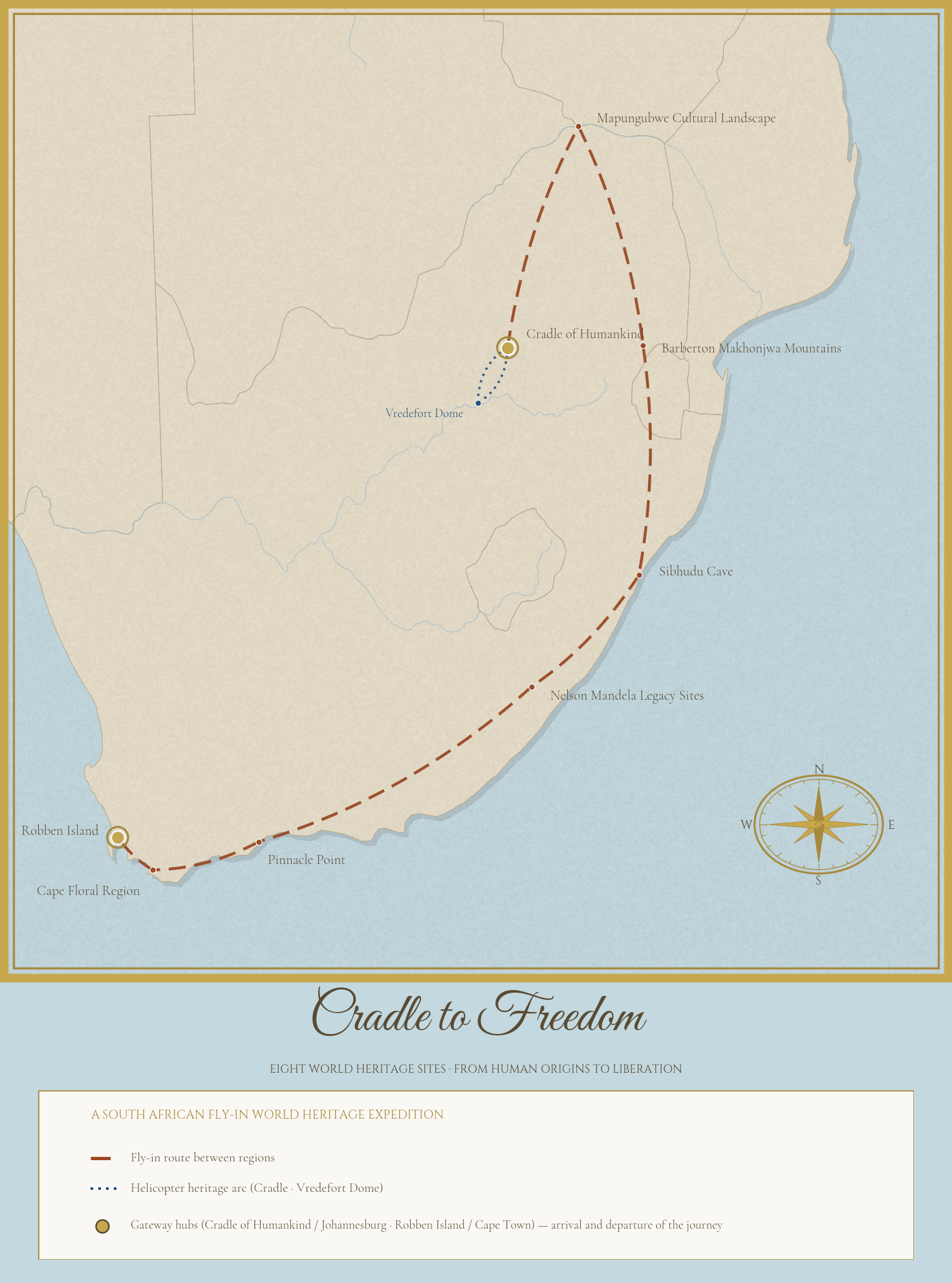
This journey follows that story as a single chronological arc. It begins in the deep time of the Earth and the origins of our species near Johannesburg, moves north to the first kingdom of southern Africa at Mapungubwe, crosses to the oldest rocks on the planet and the wilderness of the Kruger corridor, and then travels south — through the caves of early human imagination and the landscapes of the Cape — to end at Robben Island, where the story of imprisonment became a story of reconciliation. Eight UNESCO World Heritage Sites. One country. One continuous arc, from the cradle of humankind to freedom.
This is a heritage interpretation route. It treats South Africa's liberation history as history — the dignity, the loss and the reconciliation it carried — and not as spectacle. The arc it traces, from human origins to human rights, is one that belongs to all of humanity.
Four Layers of the South African Story
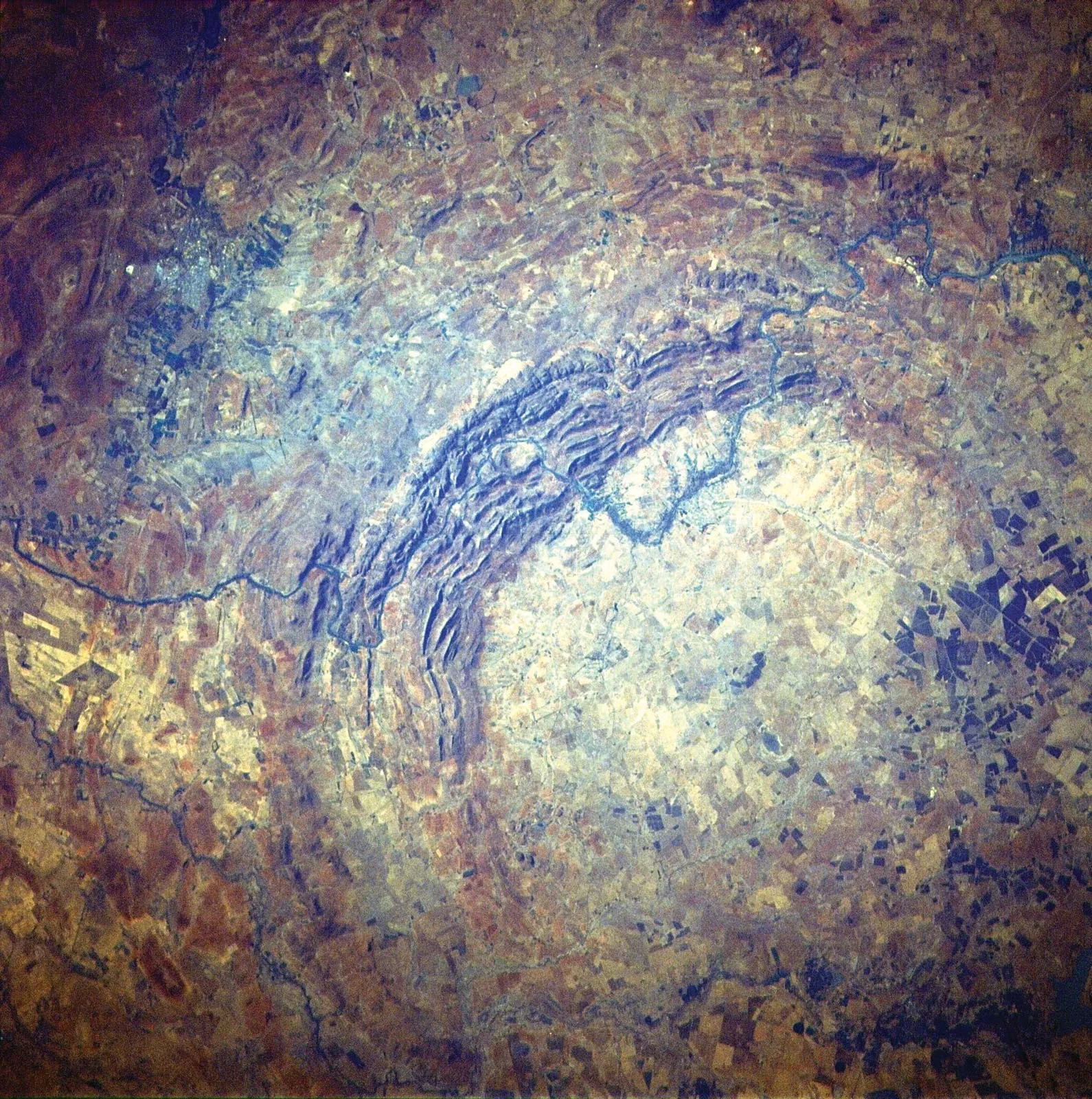
Origins. The journey opens with deep time. The Vredefort Dome, southwest of Johannesburg, is one of the largest and oldest verified meteorite impact structures on Earth — its concentric ridges, best appreciated from the air, trace an impact that occurred roughly two billion years ago. Nearby, the Cradle of Humankind holds some of the richest early-hominin fossil deposits in the world, including the celebrated "Mrs Ples". Together they set the scale: the age of the planet, and the emergence of our lineage upon it.
Kingdoms. To the north, Mapungubwe was the first complex state in southern Africa — a kingdom whose gold and ivory moved along trade routes that reached the Indian Ocean world. In Mpumalanga, the Barberton Makhonjwa Mountains preserve some of the oldest and best-exposed rock sequences on Earth, a window into the planet's early crust beside the wilderness of the Kruger corridor.
Imagination. The route then follows the emergence of the modern human mind. The Emergence of Modern Human Behaviour — a single serial World Heritage Site — gathers three Middle Stone Age sites, Sibhudu Cave in KwaZulu-Natal, and Pinnacle Point and Diepkloof in the Western Cape, where engraved ochre, shell beads and advanced toolmaking record symbolic thought reaching back as far as 162,000 years.
Liberation. The arc closes with the modern story of freedom. The Human Rights, Liberation and Reconciliation: Nelson Mandela Legacy Sites — a serial property of fourteen components across the country — anchors the journey from the Eastern Cape, where Mandela grew up, to the Cape. The Cape Floral Region offers one of the planet's richest concentrations of plant life, and Robben Island — the prison that became a symbol of reconciliation — brings the story to its close.
Each Southern Cross route is structured around UNESCO World Heritage Sites — Natural, Cultural and Mixed. Across our journeys, twenty-nine inscribed World Heritage Sites in nine countries form the framework. Heritage is the frame. Wildlife is the layer. Interpretation is the difference.
View the World Heritage CollectionHide the Collection¾
| World Heritage Site | Country | Inscribed | Type | On Route |
|---|---|---|---|---|
| Cape Floral Region | South Africa | 2004 | Natural | Signature · Cradle to Freedom |
| Robben Island | South Africa | 1999 | Cultural | Signature · Cradle to Freedom |
| Cradle of Humankind | South Africa | 1999 | Cultural | Signature · Cradle to Freedom |
| Vredefort Dome | South Africa | 2005 | Natural | Cradle to Freedom |
| uKhahlamba-Drakensberg | South Africa | 2000 | Mixed | Signature |
| Mapungubwe Cultural Landscape | South Africa | 2003 | Cultural | Signature · Cradle to Freedom · Kingdoms of Gold · Ivory Route |
| Barberton Makhonjwa Mountains | South Africa | 2018 | Natural | Cradle to Freedom |
| The Emergence of Modern Human Behaviour | South Africa | 2024 | Cultural | Cradle to Freedom |
| Nelson Mandela Legacy Sites | South Africa | 2024 | Cultural | Cradle to Freedom |
| Great Zimbabwe | Zimbabwe | 1986 | Cultural | Signature · Kingdoms of Gold · Ivory Route |
| Khami Ruins | Zimbabwe | 1986 | Cultural | Kingdoms of Gold |
| Mosi-oa-Tunya / Victoria Falls | Zambia / Zimbabwe | 1989 | Natural | Signature · Crossing · Waters · Zambezi·Okavango·Namib |
| Chongoni Rock-Art Area | Malawi | 2006 | Cultural | Crossing · Waters |
| Lake Malawi NP | Malawi | 1984 | Natural | Crossing · Waters |
| Serengeti NP | Tanzania | 1981 | Natural | Crossing · Waters |
| Ngorongoro Conservation Area | Tanzania | 1979 | Mixed | Crossing |
| Okavango Delta | Botswana | 2014 | Natural | Waters · Zambezi·Okavango·Namib |
| Namib Sand Sea | Namibia | 2013 | Natural | Zambezi·Okavango·Namib |
| Tsodilo Hills | Botswana | 2001 | Cultural | Zambezi·Okavango·Namib |
| Twyfelfontein / ǁUi-ǁAes | Namibia | 2007 | Cultural | Zambezi·Okavango·Namib |
| Kenya Lake System (Rift Valley) | Kenya | 2011 | Natural | Great Rift Valley |
| Mount Kenya NP | Kenya | 1997 | Natural | Great Rift Valley |
| Fort Jesus, Mombasa | Kenya | 2011 | Cultural | Indian Ocean Trade Route |
| Sacred Mijikenda Kaya Forests | Kenya | 2008 | Cultural | Indian Ocean Trade Route |
| Lamu Old Town | Kenya | 2001 | Cultural | Indian Ocean Trade Route |
| Gede Ruins | Kenya | 2024 | Cultural | Indian Ocean Trade Route |
| Stone Town of Zanzibar | Tanzania | 2000 | Cultural | Ivory Route · Indian Ocean Trade Route |
| Kilwa Kisiwani & Songo Mnara | Tanzania | 1981 | Cultural | Ivory Route · Indian Ocean Trade Route |
| Island of Mozambique | Mozambique | 1991 | Cultural | Ivory Route |
References to UNESCO World Heritage Sites are factual references to sites inscribed on the UNESCO World Heritage List. Southern Cross Experiences is an independent travel company and does not imply UNESCO endorsement of its journeys.
Eight Sites, One Continuous Arc
Fourteen to fifteen days, north to south, following the story in the order it unfolded — from the deep time of the Earth and the origins of our species, through the first southern African kingdom and the oldest rocks on the planet, to the caves of early human imagination and the close of the journey at Robben Island. A single day in the Greater Kruger gives the expedition its one chapter of wilderness. Flights connect the regions; within each, the heritage is explored on the ground.
Gauteng — Origins
The journey begins with deep time. A private helicopter heritage arc lifts from the city to reveal what the ground does not easily show: the great concentric ridges of the Vredefort Dome, one of the largest and oldest verified meteorite impact structures on Earth, the eroded scar of an impact roughly two billion years ago.
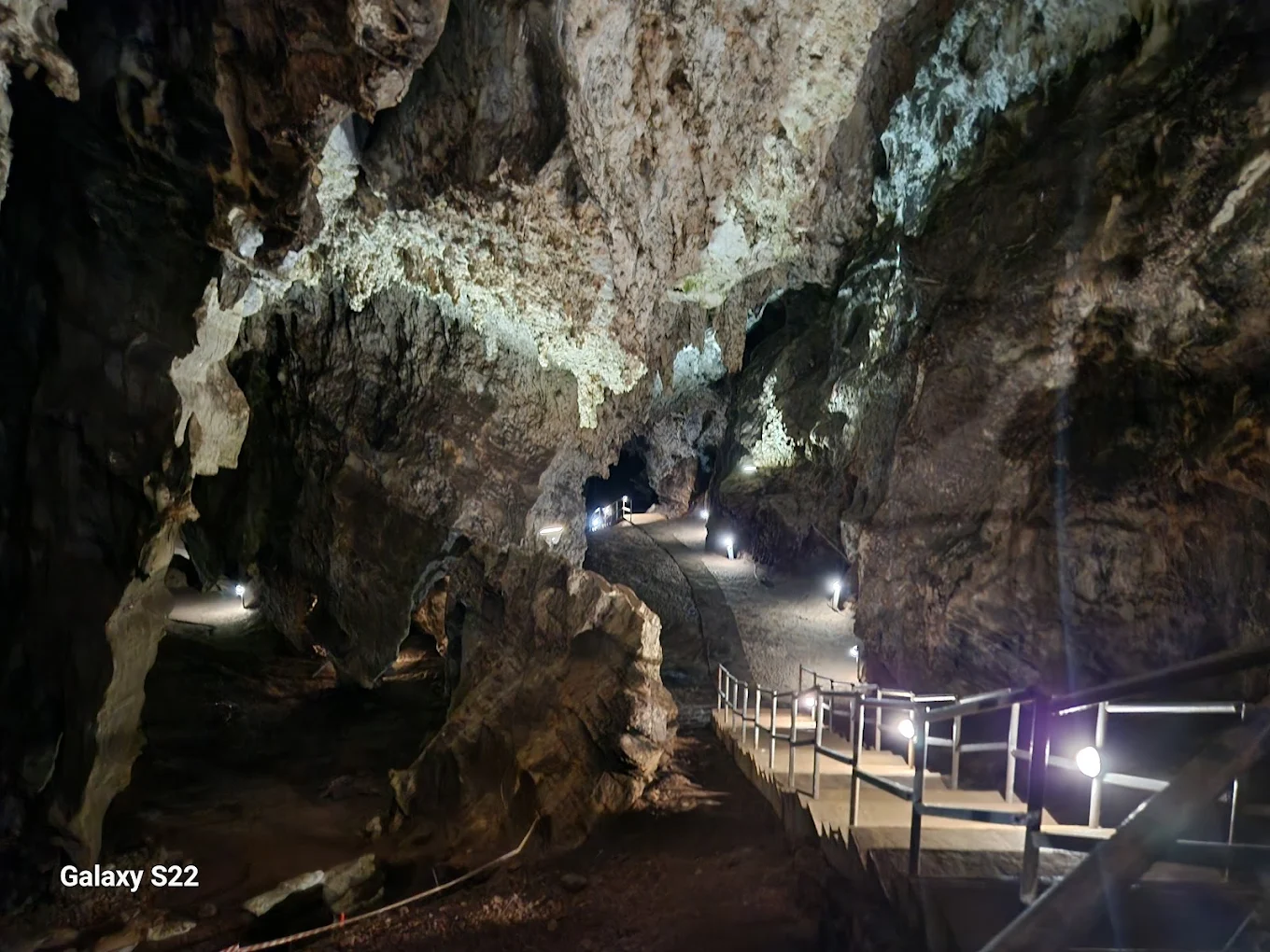
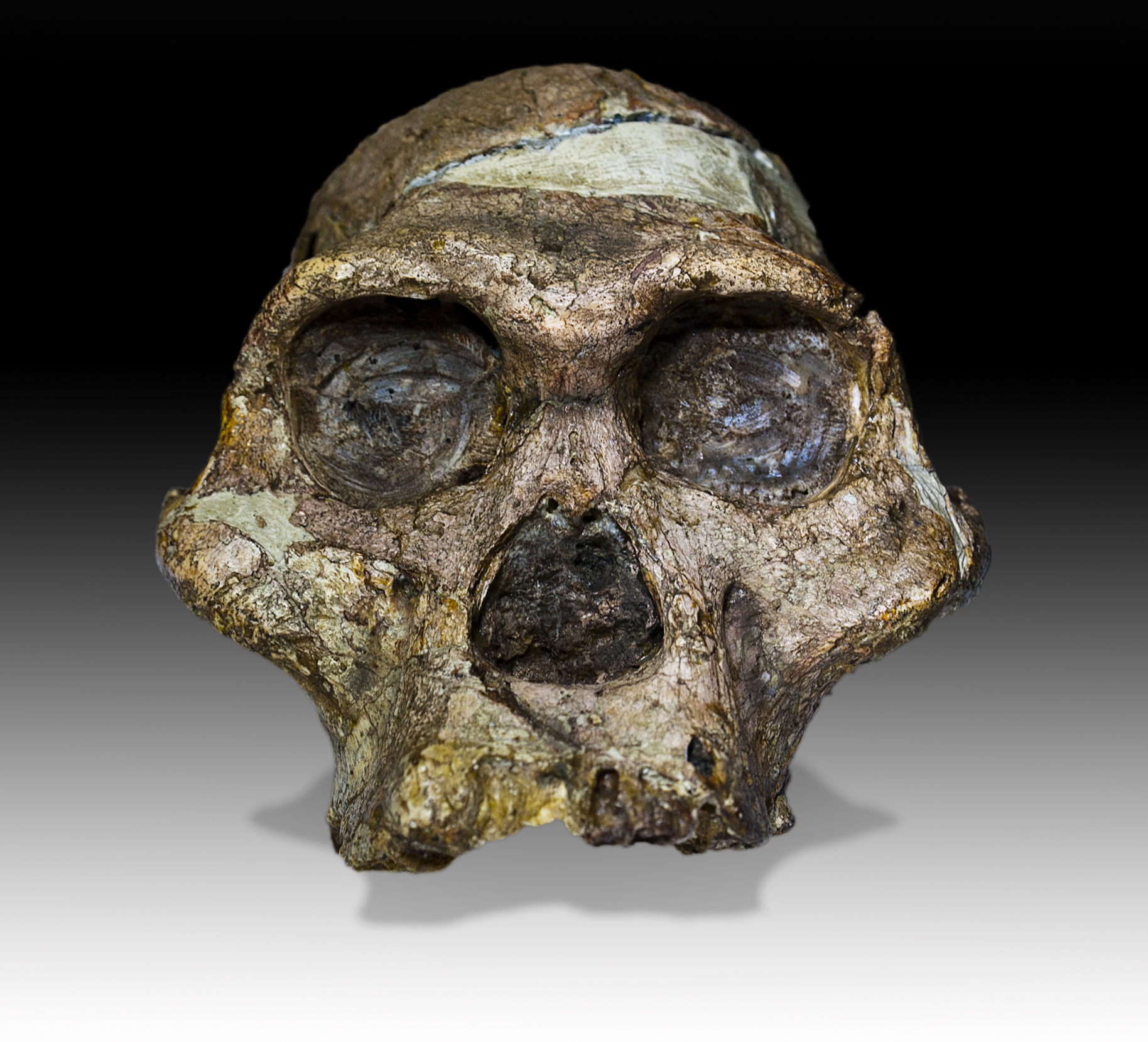
On the ground, the descent into the Sterkfontein Caves at the heart of the Cradle of Humankind. In 1947, Robert Broom and John Robinson recovered here the most complete Australopithecus africanus skull ever found in South Africa — nicknamed "Mrs Ples" after its first scientific name, Plesianthropus. Broom called it an elderly female; later researchers have argued it may in fact be male, and its age has been revised over the decades from around two million to perhaps as much as 3.4 million years. The debates are part of the story — a single skull, still teaching us how cautiously the deep past must be read.
Deeper in the same cave system lies "Little Foot" — the only near-complete Australopithecus skeleton found anywhere in the world, dated to roughly 3.67 million years. Its discovery is a story of patience: in 1994 the palaeoanthropologist Ron Clarke recognised four small foot bones in a museum drawer as those of an upright-walking hominin; his assistants Stephen Motsumi and Nkwane Molefe then located the matching skeleton in the cave, and the team spent more than twenty years freeing it from rock as hard as concrete with a fine vibrating needle. Access to the Sterkfontein Caves involves stairs, narrow passages and uneven surfaces; a Maropeng-based interpretation alternative is arranged for guests who prefer not to enter the caves.
The Gauteng days also gather the first components of the Nelson Mandela Legacy Sites: the Union Buildings in Pretoria, Constitution Hill and Liliesleaf — the institutions and hiding places of the liberation story, set against the city where it unfolded.
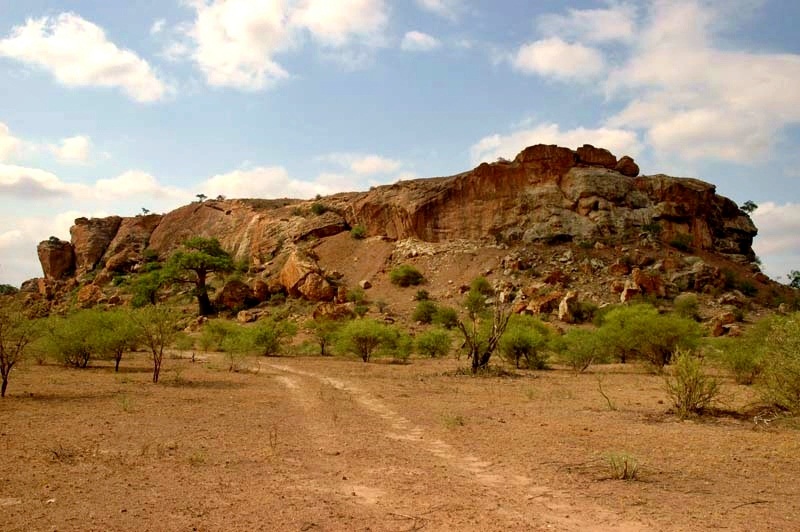
Mapungubwe — The First Kingdom
Fly north to the confluence of the Limpopo and Shashe rivers. Mapungubwe was the first complex state in southern Africa — the kingdom that rose around the eleventh century and organised the gold and ivory trade a century before Great Zimbabwe. Its most famous artefact, a small rhinoceros covered in gold foil, has become a national symbol.
The cultural landscape connects this route to the wider story of the interior kingdoms — the same trade world traced in detail on the African Ivory Route and Kingdoms of Gold. Game drives in the surrounding conservancies sit alongside the archaeology.
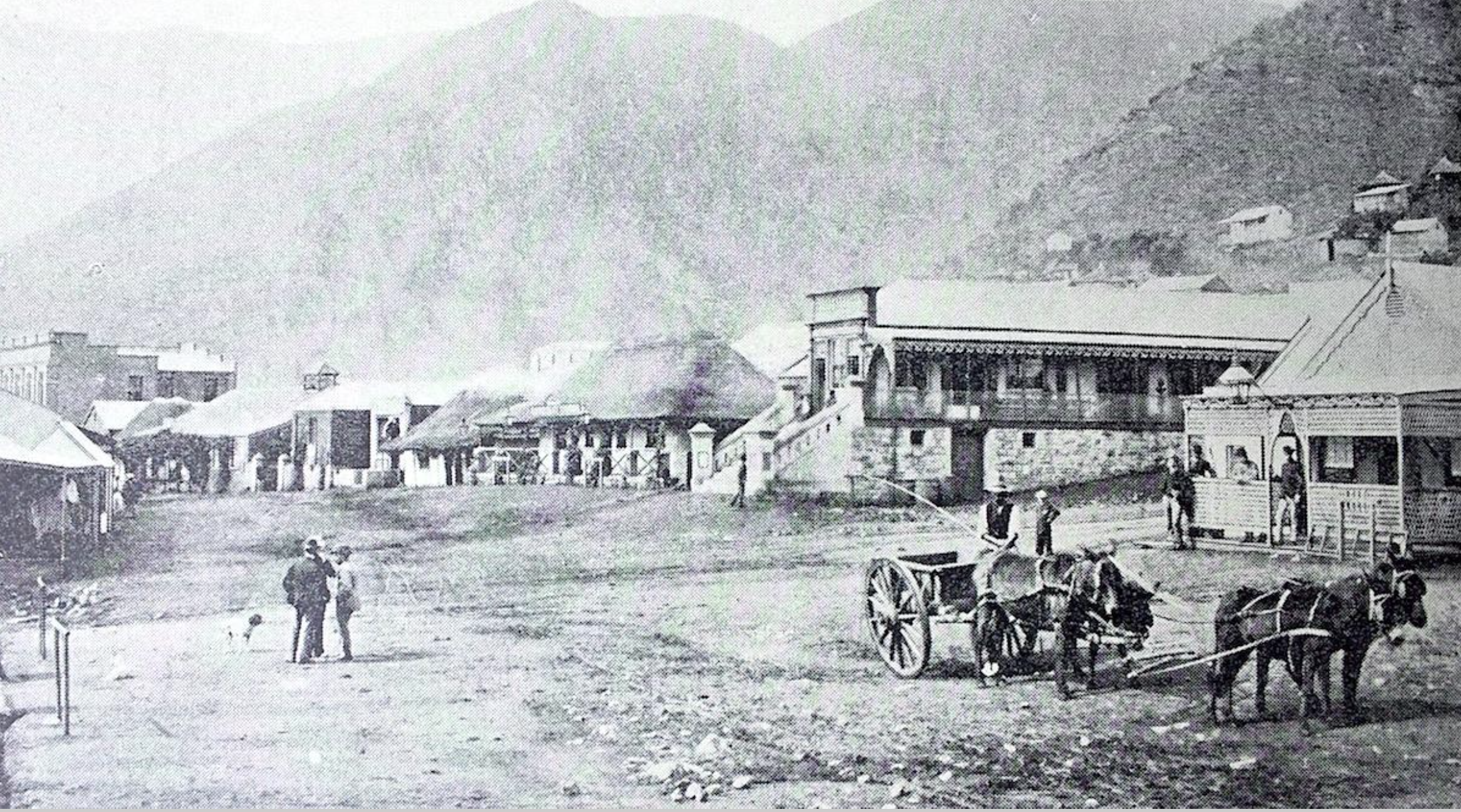
Barberton Makhonjwa — Deep Earth
Fly to the eastern escarpment. The Barberton Makhonjwa Mountains preserve some of the oldest and best-exposed rock sequences on Earth — more than three billion years old — a rare, legible record of the planet's early crust. After the human story of the previous days, this is a return to the deep time the journey opened with, now read in the rock itself. The Barberton Geotrail leads through the De Kaap Valley, where the layers of the early planet are laid open along the road.
Barberton is explored as a day among the mountains. In the afternoon, the expedition flies on to a private reserve in the Greater Kruger for the journey's one chapter of wilderness.
The Greater Kruger — A Day in the Wild
A single, deliberate pause in the heritage narrative. After the rock and the ruins, the expedition spends a full day in the Greater Kruger — morning and evening game drives in Big Five country, the long quiet of the bush between them. It is the journey's breath: the one chapter given over entirely to wilderness rather than heritage, and a reminder that the same continent that holds humanity's origins still holds its wild heart.
This day is not one of the eight World Heritage Sites; it is a wilderness interlude, included to give the journey its living counterweight to deep time and human history.
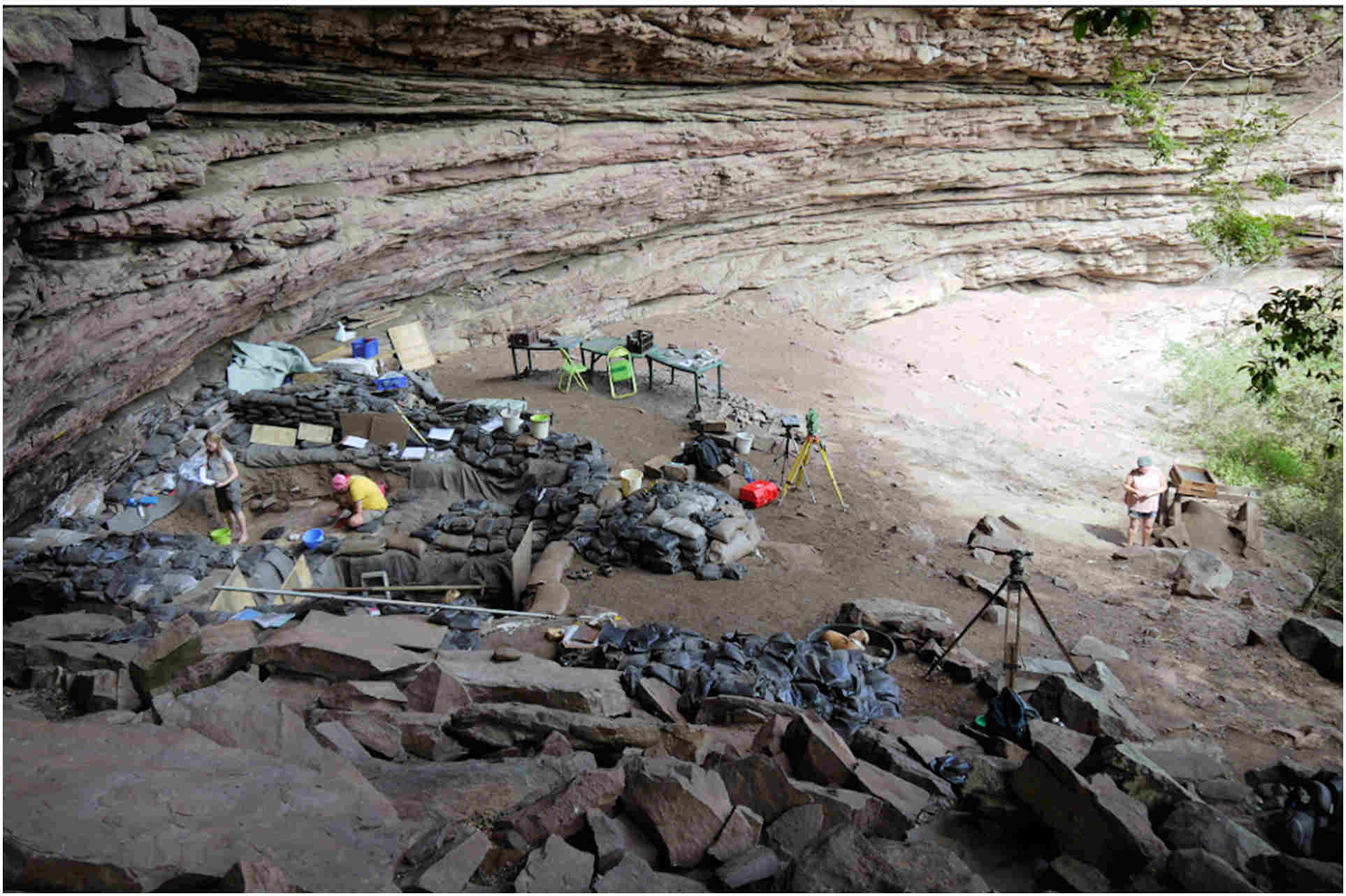
KwaZulu-Natal — Early Imagination
Fly to the KwaZulu-Natal coast. Sibhudu Cave is one of the three sites that make up The Emergence of Modern Human Behaviour — a single serial World Heritage Site inscribed in 2024. The shelter holds evidence of some of the earliest modern human technology, from around 77,000 years ago: bone tools, the use of glue, and early projectile weapons. Sibhudu is a fragile, protected site; access is subject to prior appointment, confirmed heritage permissions and professional guiding. Where direct access is not available, the site is interpreted through an approved specialist session and the wider KwaZulu-Natal heritage context.
Here too the route picks up another component of the Nelson Mandela Legacy Sites — Ohlange, where Mandela cast his vote in the 1994 election at the resting place of John Langalibalele Dube, the first president of the ANC.
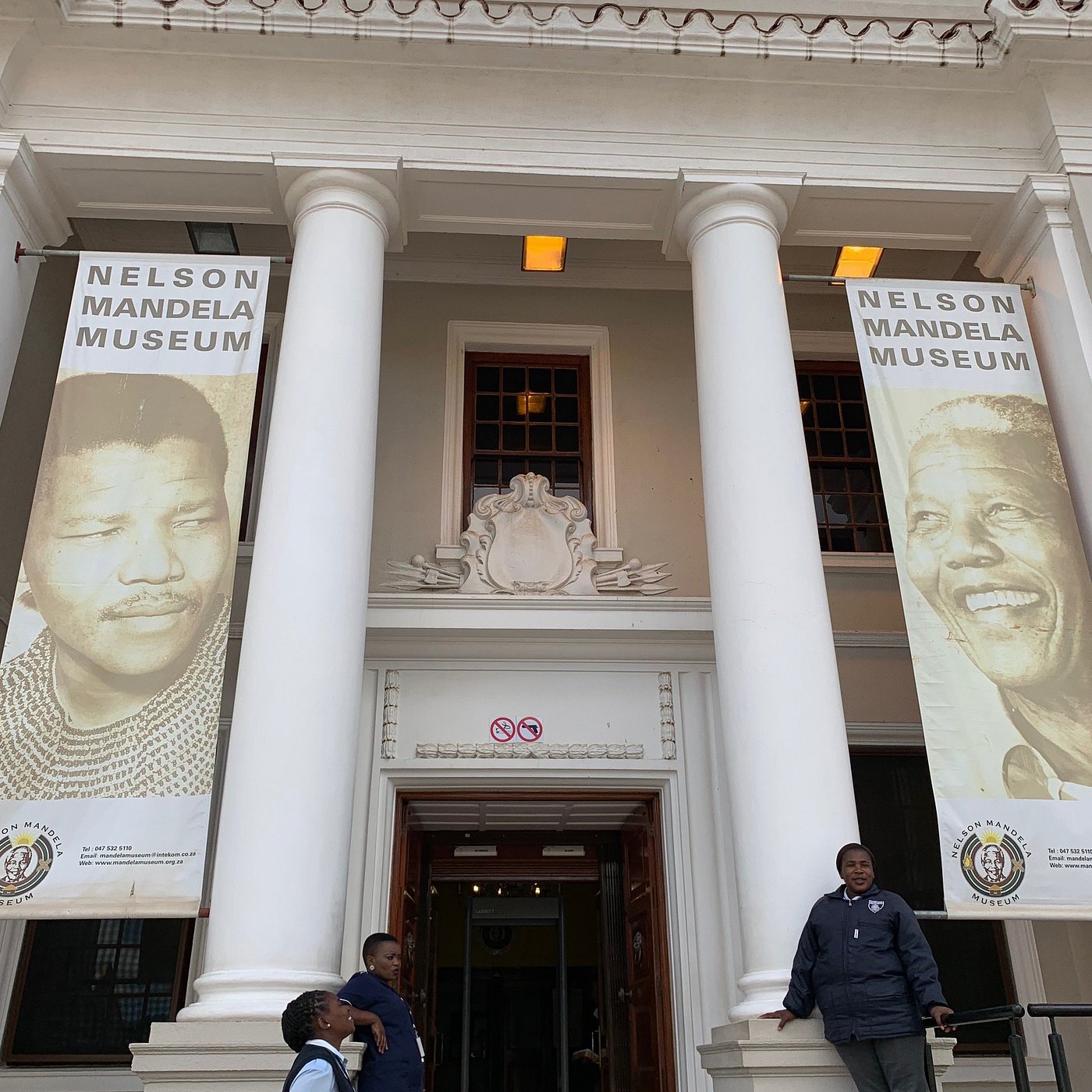
Eastern Cape — Mandela's Roots
Fly to the rolling hills of the Eastern Cape. This is the human heart of the liberation story: The Great Place at Mqhekezweni, where Nelson Mandela lived as a young man under the guardianship of the Thembu regent, is an inscribed component of the Nelson Mandela Legacy Sites. Nearby Qunu, where he grew up, is visited as essential biographical context — the landscape of Mandela's childhood.
Before the prison, before the presidency, before the global symbol — this is where the story begins as a boy's. It grounds the abstraction of "liberation" in a specific place and a specific childhood.
The Garden Route — First Symbols
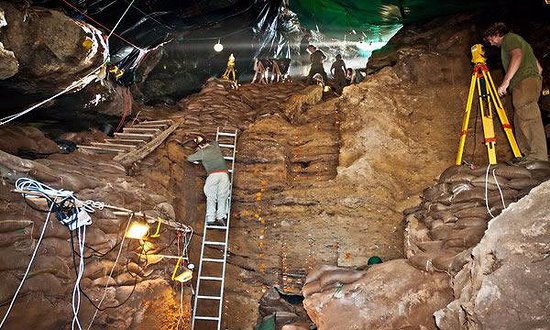
Fly along the coast to Mossel Bay. The caves at Pinnacle Point are the Western Cape component of The Emergence of Modern Human Behaviour visited on this route. Here, between roughly 170,000 and 40,000 years ago, people gathered shellfish, heat-treated stone to make tools, and left some of the earliest traces of symbolic thought: engraved ostrich-eggshell and pigment use. Diepkloof Rock Shelter, further up the West Coast, is the third component of the same inscription; it is introduced here as part of the serial site and may be added as a specialist extension, subject to access and route timing. Access to the Pinnacle Point caves involves steep stairs and boardwalks; alternative interpretation can be arranged for guests with mobility limitations.
This is the same serial World Heritage Site visited at Sibhudu — counted once, experienced at both ends of the country. It is the moment in the arc where the human mind becomes recognisably modern.
The Cape Floral Region — A Living Landscape
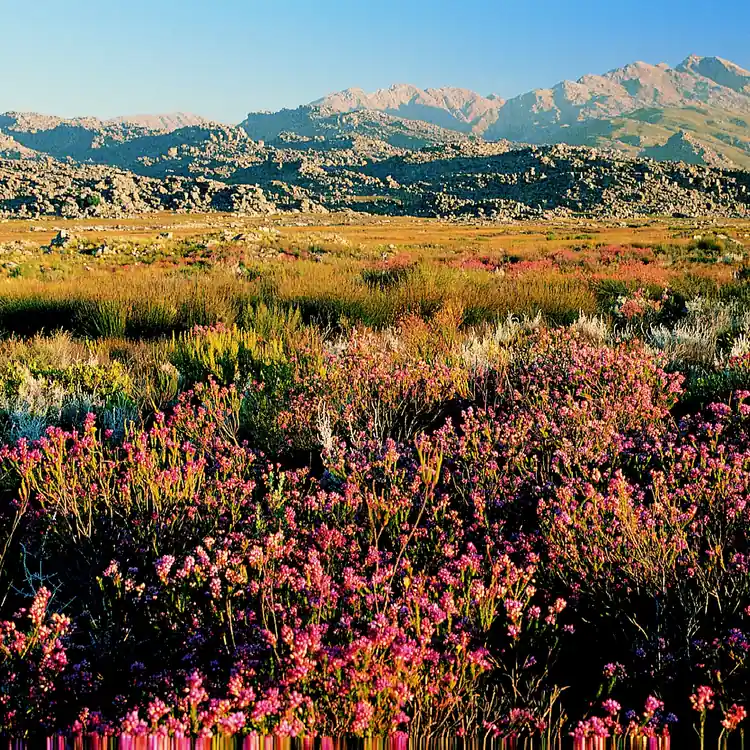
A short coastal flight to Walker Bay, in the heart of the Cape Floral Kingdom — one of the richest concentrations of plant life on the planet, and the smallest and most diverse of the world's six floral kingdoms. Fynbos drives and guided walks reveal a botanical world found nowhere else on Earth.
After the deep human story of the preceding days, this is the living landscape that the whole journey has moved through — evolution still in progress, in real time, in the field.
Cape Town — Freedom
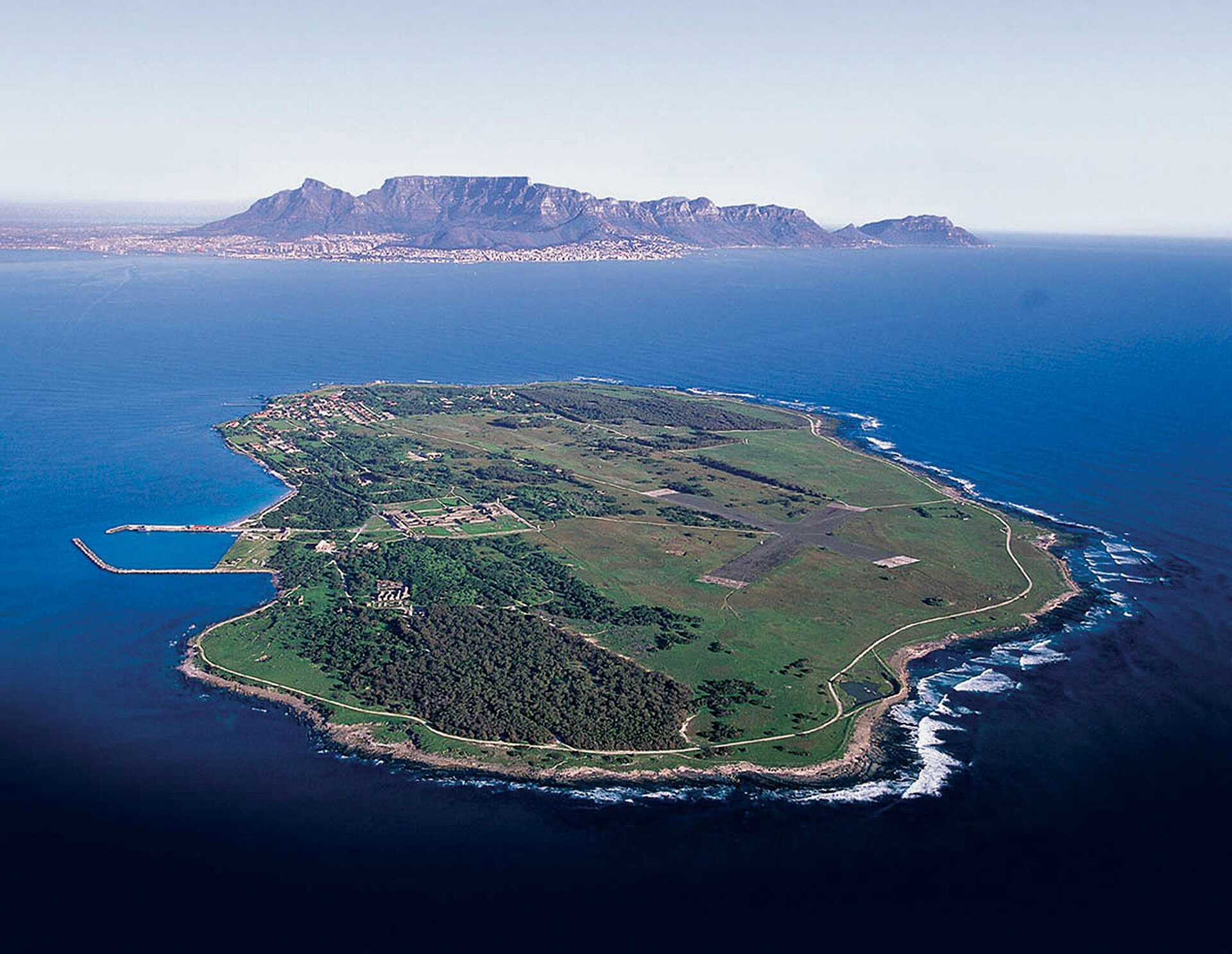
The journey reaches the Cape. Robben Island — where Nelson Mandela was imprisoned for eighteen of his twenty-seven years — is the close of the arc. Today a museum led in part by former political prisoners, it is the place where a story of imprisonment became a story of reconciliation.
The journey that began two billion years ago at Vredefort, and with the first of our lineage at the Cradle of Humankind, ends here — with the modern story of human rights, freedom and the choice to reconcile. From the cradle of humankind, to freedom.
How the Route Connects
A fly-in expedition within South Africa. Flights connect the regions; within each region, the heritage sites and city walks are explored on the ground. The aircraft below is the typical type for these legs; the table is indicative and confirmed during route design. Approximately 2,750 km total air distance over the journey.
The Cessna Grand Caravan is the typical aircraft for these legs; the Gauteng arc is flown by helicopter. Actual aircraft, airstrips and routings are confirmed during route design. Connecting flights and the helicopter arc are arranged through licensed aviation partners. Optional extensions: iSimangaliso, Maloti-Drakensberg, the Kalahari (Khomani) and Richtersveld — see Curator's Notes.
All distances, flight times, aircraft and transfers are indicative and subject to availability and final operational validation.
Eight Core UNESCO World Heritage Sites — with Optional Extensions
Vredefort Dome
One of the largest and oldest verified meteorite impact structures on Earth, formed roughly two billion years ago. Its concentric ridges are most legible from the air.
Cradle of Humankind
Some of the richest early-hominin fossil deposits in the world, including "Mrs Ples". A foundational record of human origins.
Mapungubwe Cultural Landscape
The first complex state in southern Africa. Its gold and ivory moved along the trade routes traced on the African Ivory Route and Kingdoms of Gold.
Barberton Makhonjwa Mountains
Among the oldest and best-exposed rock sequences on Earth — more than three billion years old — beside the Kruger wilderness corridor.
The Emergence of Modern Human Behaviour
A single serial site of three Middle Stone Age caves — Sibhudu (KZN), Pinnacle Point and Diepkloof (Western Cape) — recording symbolic thought reaching back as far as 162,000 years. Counted once; visited at both ends of the country.
Nelson Mandela Legacy Sites
Human Rights, Liberation and Reconciliation — a serial property of fourteen components in four provinces, from Mqhekezweni and the Union Buildings to Ohlange. Counted once; encountered across several stages.
Cape Floral Region
One of the richest concentrations of plant life on the planet, and the smallest of the world's six floral kingdoms. Experienced in the field at Walker Bay.
Robben Island
The prison that became a symbol of reconciliation. Where Nelson Mandela spent eighteen years, and where the arc of the journey closes.
Maloti-Drakensberg Park
A transboundary natural and cultural landscape (South Africa and Lesotho), rich in San rock art. An optional extension between KwaZulu-Natal and the Eastern Cape.
iSimangaliso Wetland Park
A natural extension from KwaZulu-Natal — wetlands, turtles and coastal wilderness. Now part of a transboundary park with Mozambique.
ǂKhomani Cultural Landscape
In the southern Kalahari — the cultural landscape of the ǂKhomani San, whose knowledge of this arid world reaches back to the Stone Age. A dedicated north-western extension.
Richtersveld Cultural & Botanical Landscape
A mountainous desert in the far north-west, still grazed by the Nama according to seasonal traditions. A remote botanical and cultural extension.
References to UNESCO World Heritage Sites are factual references to sites inscribed on the UNESCO World Heritage List. Southern Cross Experiences is an independent travel company and does not imply UNESCO endorsement of this journey.
The Houses of the Journey
Each stage is matched to the finest house its landscape offers — from celebrated five-star hotels in the cities to conservation-led lodges in the wild, and, where a World Heritage site lies in remote country, the best house the region has. The accommodation below is the standard around which each private journey is built; the final selection is confirmed during route design.
Four Seasons Hotel The Westcliff
A five-star hotel above Johannesburg, terraced into the Westcliff ridge. The base for the Cradle of Humankind and the city's Mandela legacy sites.
Mopane Bush Lodge
A conservation-led lodge on the Mapesu Private Nature Reserve, adjoining Mapungubwe National Park on the South African side of the Limpopo. The closest base to the World Heritage landscape.
Singita
For the journey's one day of wilderness — one of Africa's most celebrated conservation-led lodges, in a private concession of the Greater Kruger.
The Oyster Box, Umhlanga
An iconic five-star hotel on the KwaZulu-Natal coast, beneath the Umhlanga lighthouse, a short drive from Sibhudu Cave.
Umngazi Hotel & Spa
The finest house of the Wild Coast, set above the Mngazi River mouth. The base from which The Great Place at Mqhekezweni and the Qunu landscape of Mandela's childhood are visited.
The Plettenberg Hotel
A five-star hotel on a rocky headland above Plettenberg Bay, part of Small Luxury Hotels of the World. The base from which the Pinnacle Point caves are visited along the coast.
Grootbos Private Nature Reserve
A five-star conservation reserve in the Cape Floral Kingdom, internationally recognised for its fynbos conservation and its work with the surrounding community.
Ellerman House, Bantry Bay
A celebrated five-star boutique hotel above the Atlantic, home to one of South Africa's finest private art collections. The close of the journey.
Accommodation is selected for location, character and its relationship with conservation or community initiatives. Houses named here are indicative of the standard of each stage; the final selection is confirmed during private route design, subject to availability.
Designed Around You
This itinerary is a route framework, not a fixed departure. Each Southern Cross journey is privately curated around your dates, travel rhythm, interests and preferred level of comfort. Stations, pace, accommodation and travel style are shaped around the guest; days can be added, removed or exchanged.
Additional nights may be added in Cape Town, the Kruger corridor or another gateway. The route can be shortened, extended with the optional World Heritage extensions — iSimangaliso, Maloti-Drakensberg, the Kalahari or Richtersveld — or combined with another SCE journey, including the Signature Safari or the African Ivory Route. All adjustments are subject to aviation logistics and operational feasibility.