
For three centuries a single civilisation — what archaeologists call the Zimbabwe Culture — rose and moved across the land between the Limpopo and the Zambezi. It was built on gold, carried from the interior to the Swahili harbours of the Indian Ocean and exchanged for porcelain, glass and cloth from India, China and Arabia. As soils tired and trade routes shifted, its centres of power moved with the wealth.
This journey follows that movement as it happened — in the order history built it. It begins at the oldest court, at the confluence of the Limpopo and the Shashe, and travels forward in time through each successive capital, ending at the southernmost expression of the culture in the far-northern Kruger. Where the rail journey climbs through the landscape, this one travels through the centuries.
It is flown privately, on your own dates and at your own pace — light aircraft arranged through selected licensed aviation partners, reaching the wild river country and the older kingdoms that no railway has ever touched.
Mapungubwe (c. 1220–1290) → Great Zimbabwe (c. 1290–1450) → Khami (c. 1450–1650) → Thulamela (15th–17th c.)
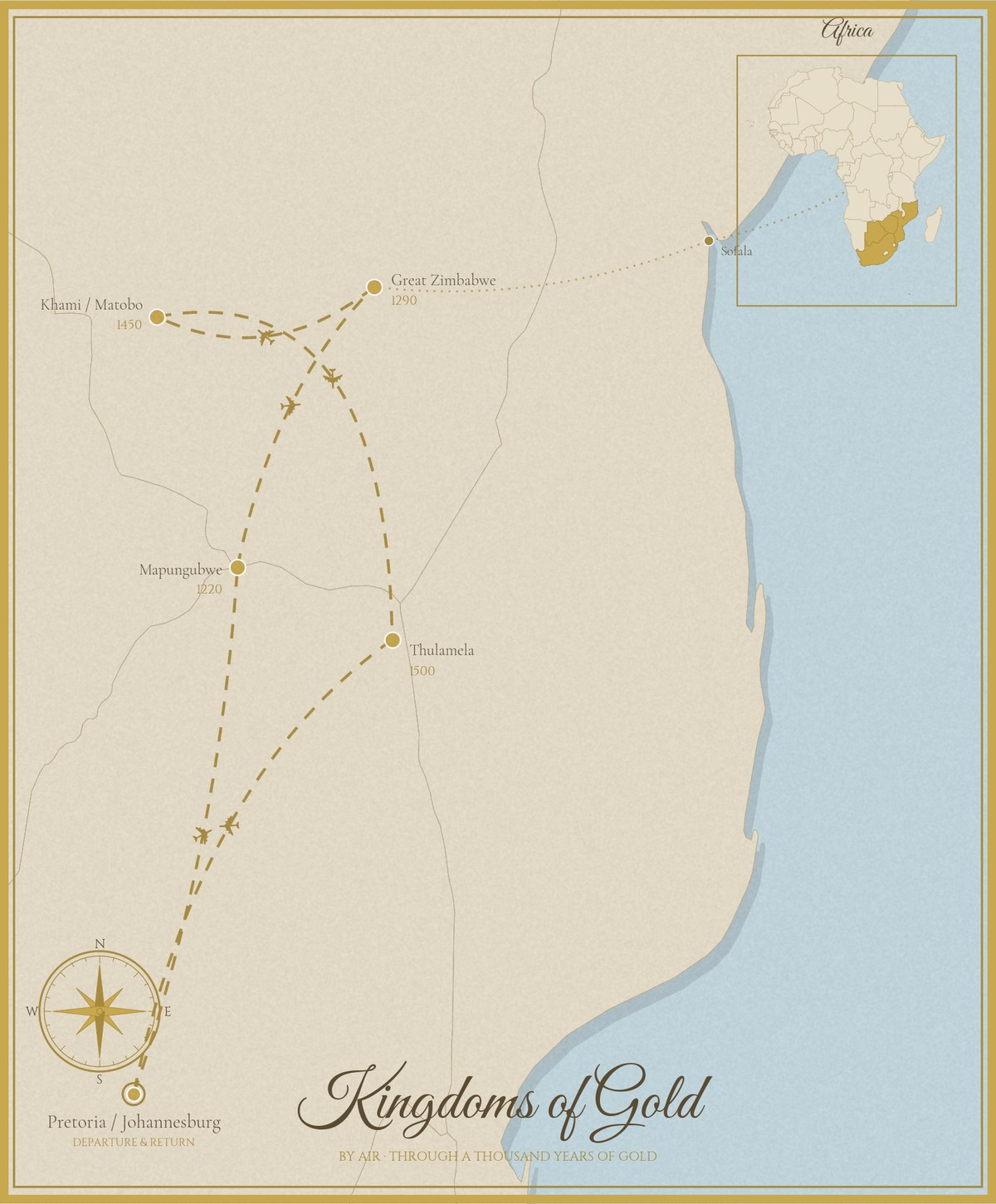
Flown privately by light aircraft, the journey follows the corridor on your own schedule. Stations, pacing and accommodation are arranged around you; days may be added, removed or exchanged, and gateway extensions added at either end. This is the corridor at its most private and most flexible.
The same corridor can be travelled as a rail journey aboard Rovos Rail's restored Pride of Africa — a long, unhurried passage to fixed departure dates, climbing north through the imperial cities to the Zambezi, with a fly-in return. A different rhythm, for travellers who prefer the train to be part of the journey.
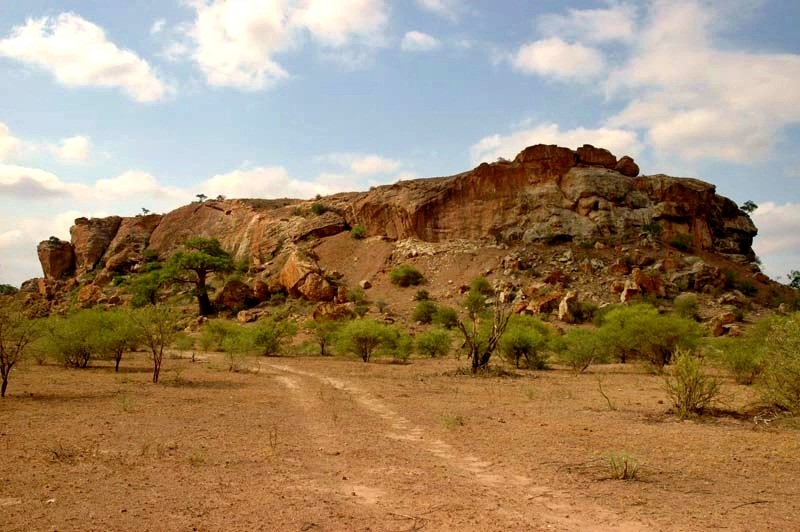
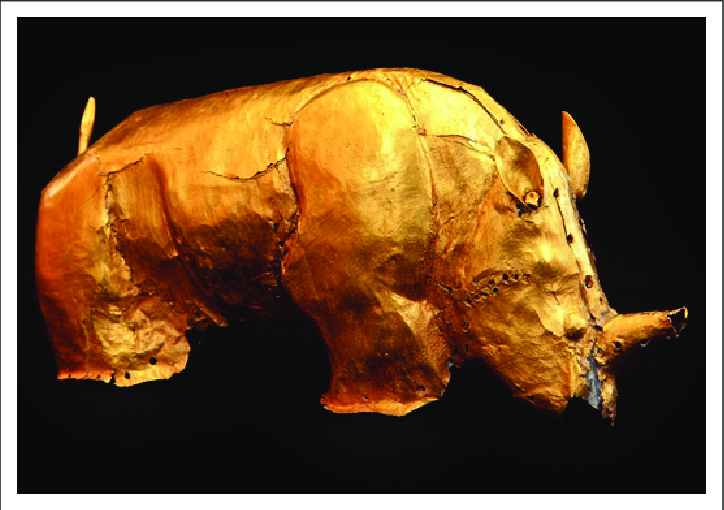
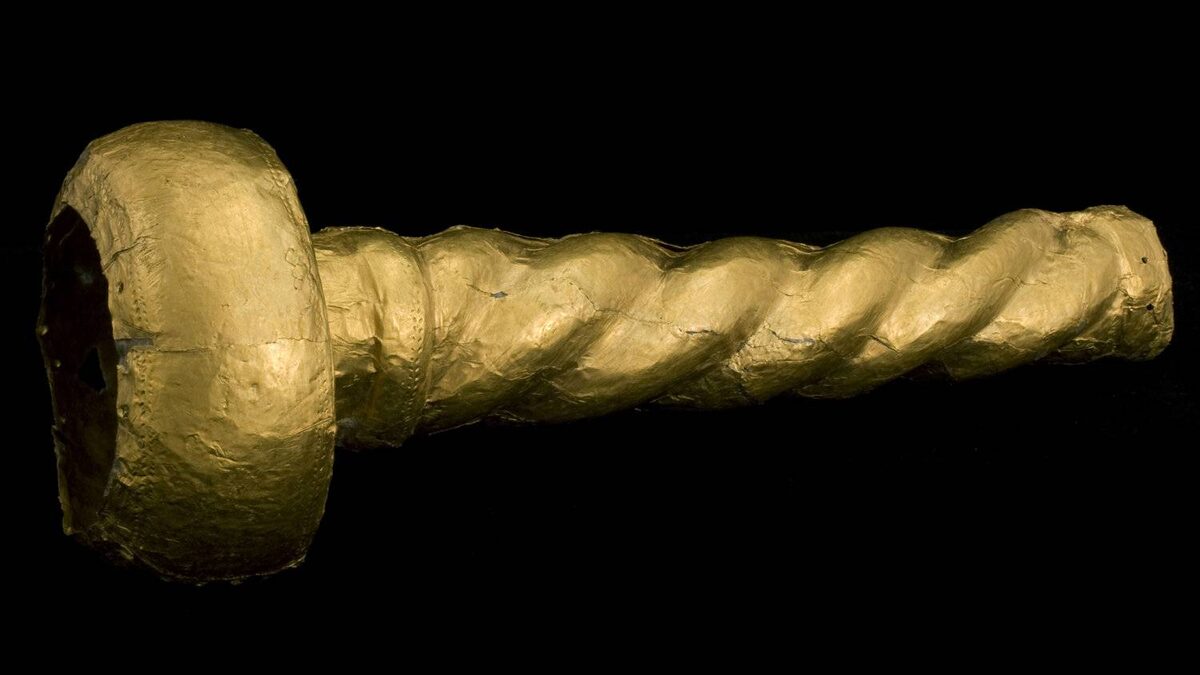
Explore the Rail JourneyAt the meeting of the Limpopo and the Shashe, where Botswana, South Africa and Zimbabwe converge, stood the earliest of the corridor's kingdoms — widely regarded as the first class-based society in southern Africa, and the source from which the Zimbabwe culture later spread. Gold ornaments recovered here, including the famous golden rhinoceros, speak to a court grown wealthy on long-distance trade. The journey opens here, in the river wilderness of Mashatu and the Mapungubwe Cultural Landscape, where the whole story began.
Indicative base: a tented camp in the Tuli & Mashatu wilderness, with a guided visit to the Mapungubwe Cultural Landscape, subject to border, transfer and park-access arrangements.

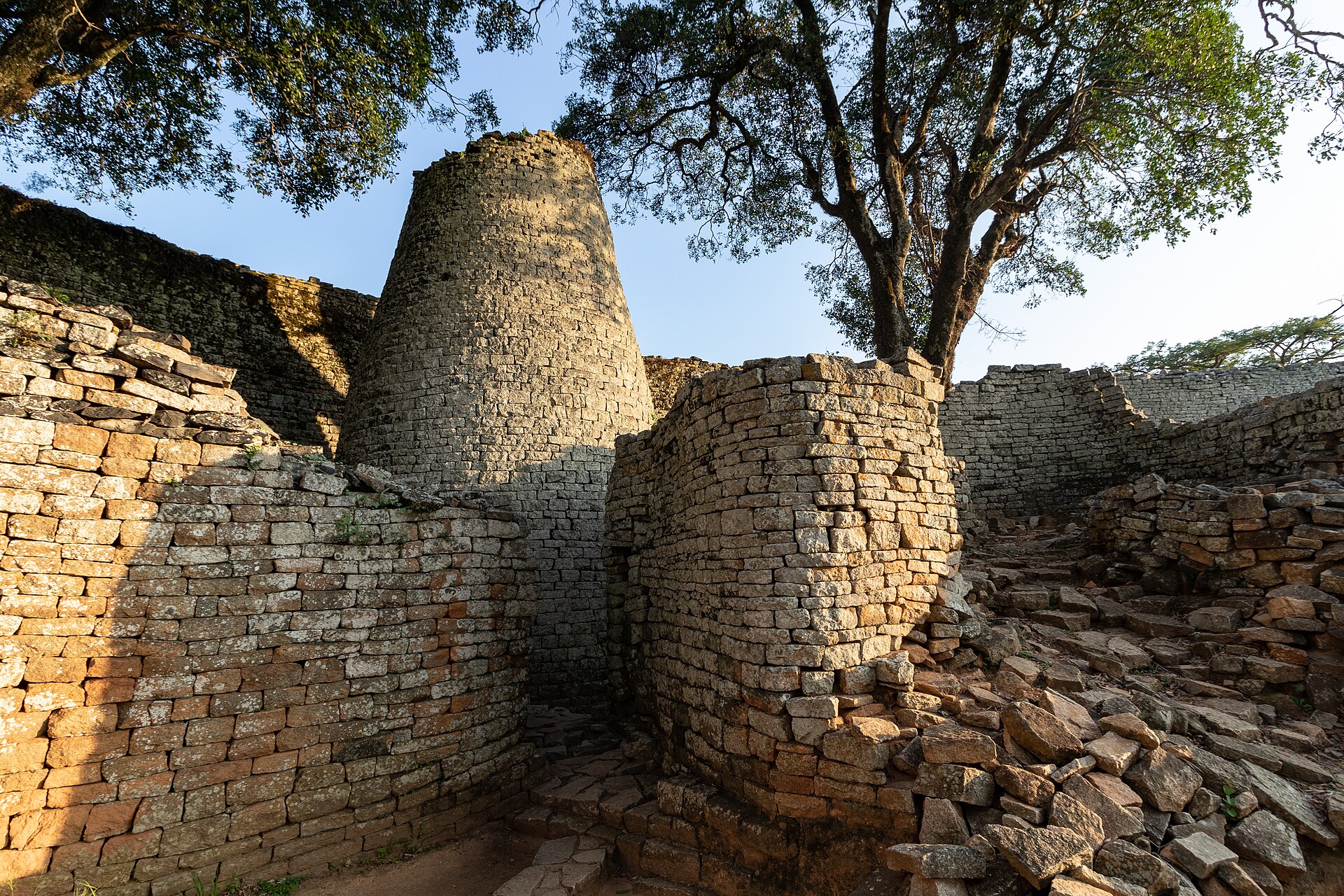
As Mapungubwe declined, the centre of power shifted north to Great Zimbabwe — the largest ancient stone structure in sub-Saharan Africa, aside from the monuments of Egypt, and the capital of a kingdom whose wealth was closely connected to long-distance trade in gold and ivory. Its mortarless granite walls gave their name to a whole civilisation. To walk the Great Enclosure is to stand inside the height of the corridor's power.
Indicative base: a private conservancy lodge within reach of the monument, chosen for its setting and its relationship with conservation.
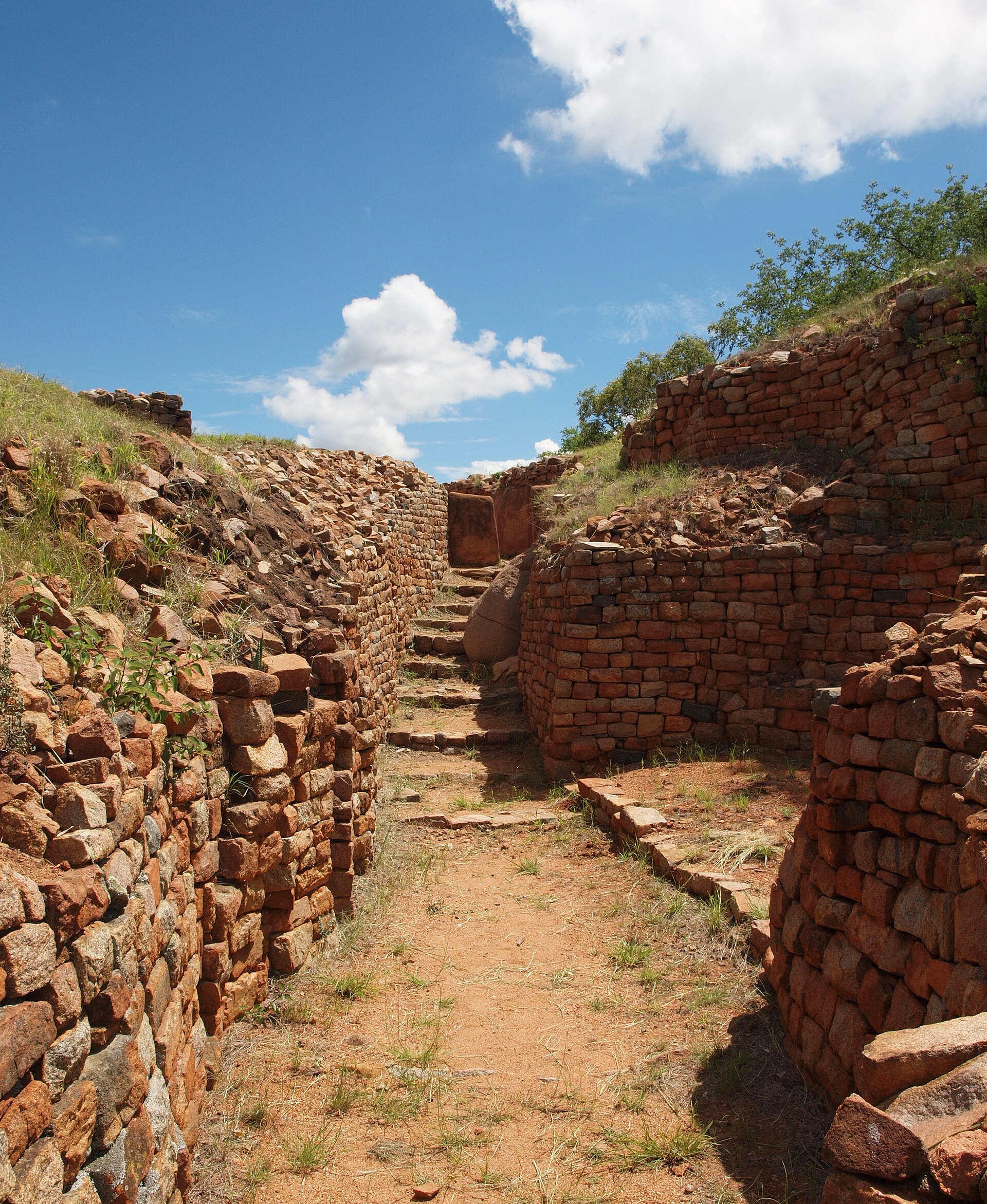
After Great Zimbabwe's decline, power passed to Khami, capital of the Torwa state, near present-day Bulawayo — its terraced stone platforms a later, distinct chapter in the same building tradition. It is the station that completes the corridor, and the one most often left out. Nearby, the balancing granite domes of the Matobo Hills hold one of the richest concentrations of San rock art in southern Africa — a human record reaching back many thousands of years, long before the stone kingdoms rose.
Indicative base: a stone-and-thatch lodge among the Matobo granite, with guided visits to Khami and the rock-art shelters.
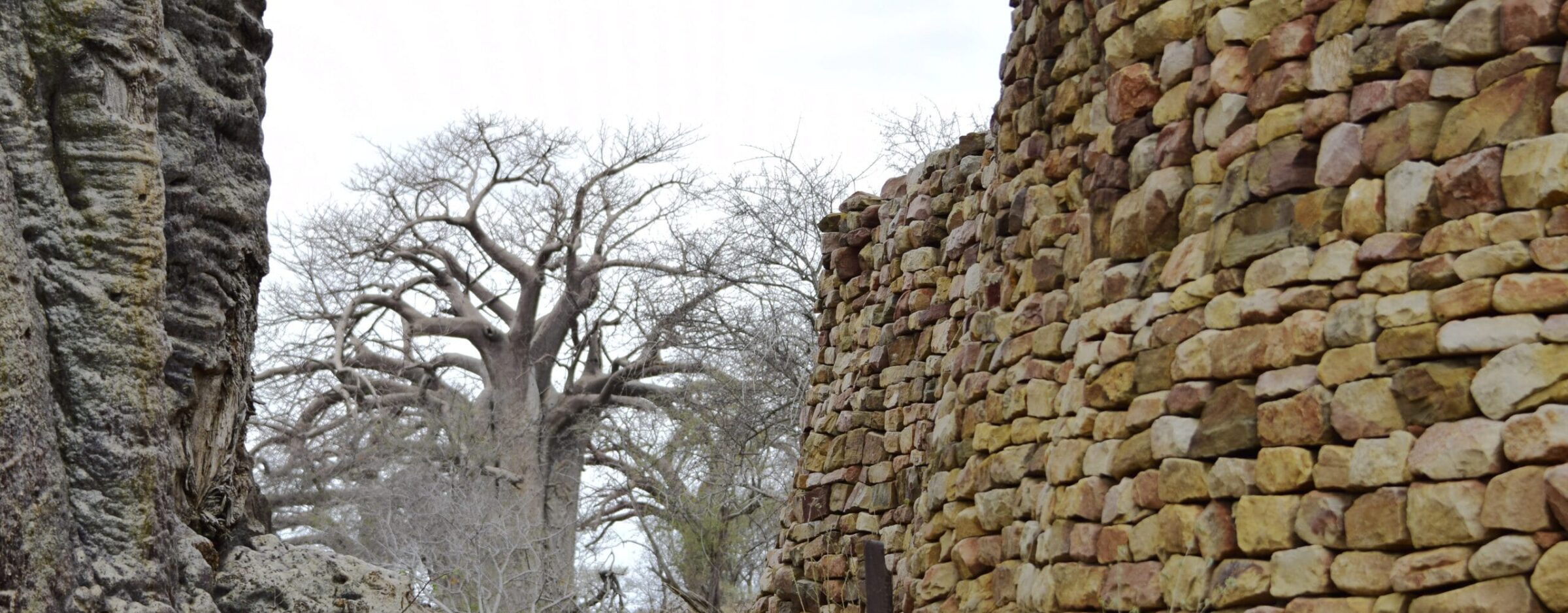
The journey closes at Thulamela, a reconstructed stone capital on a hill above the Luvuvhu River in the far-northern Kruger, occupied from roughly the 15th to 17th centuries. Gold-fingerprinting links its goldwork to the same source mined at Mapungubwe — binding the corridor's kingdoms across three centuries into a single story of trade. The site is visited on foot with a guide, from the Makuleke wilderness at Pafuri — land returned to the Makuleke people in 1998 and now held and shared by the community. The commodity is gone; the partnership remains.
Indicative base: a camp in the Makuleke Concession at Pafuri, operated in partnership with the community on whose ancestral land it stands.
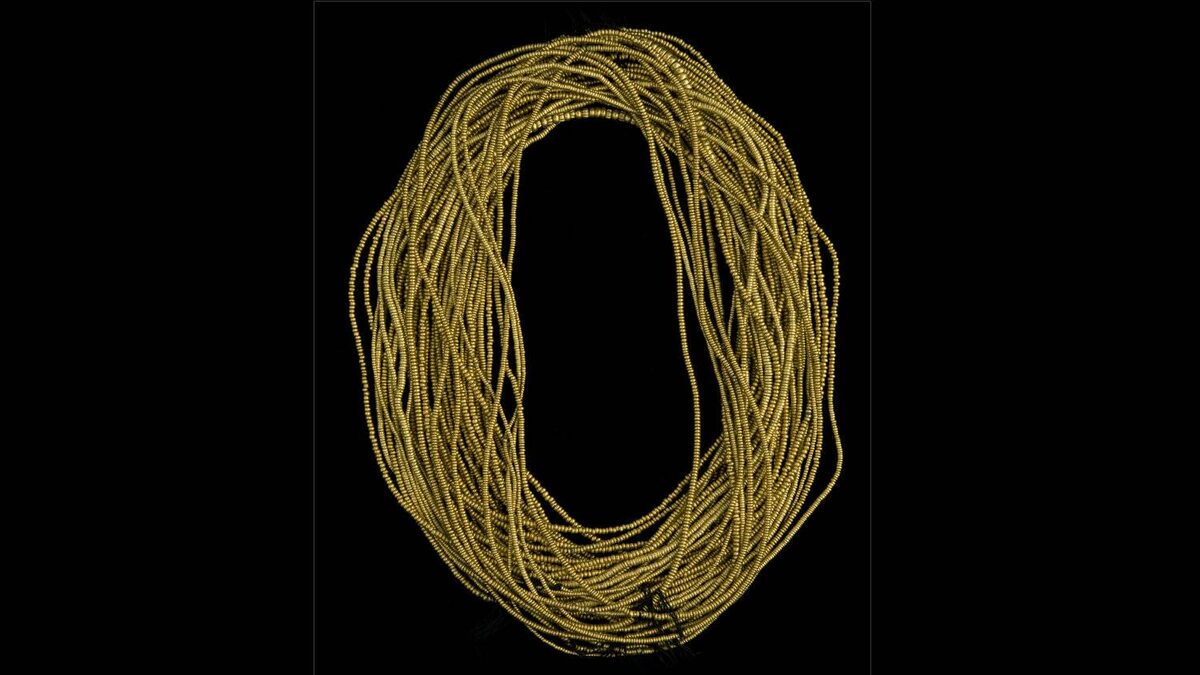
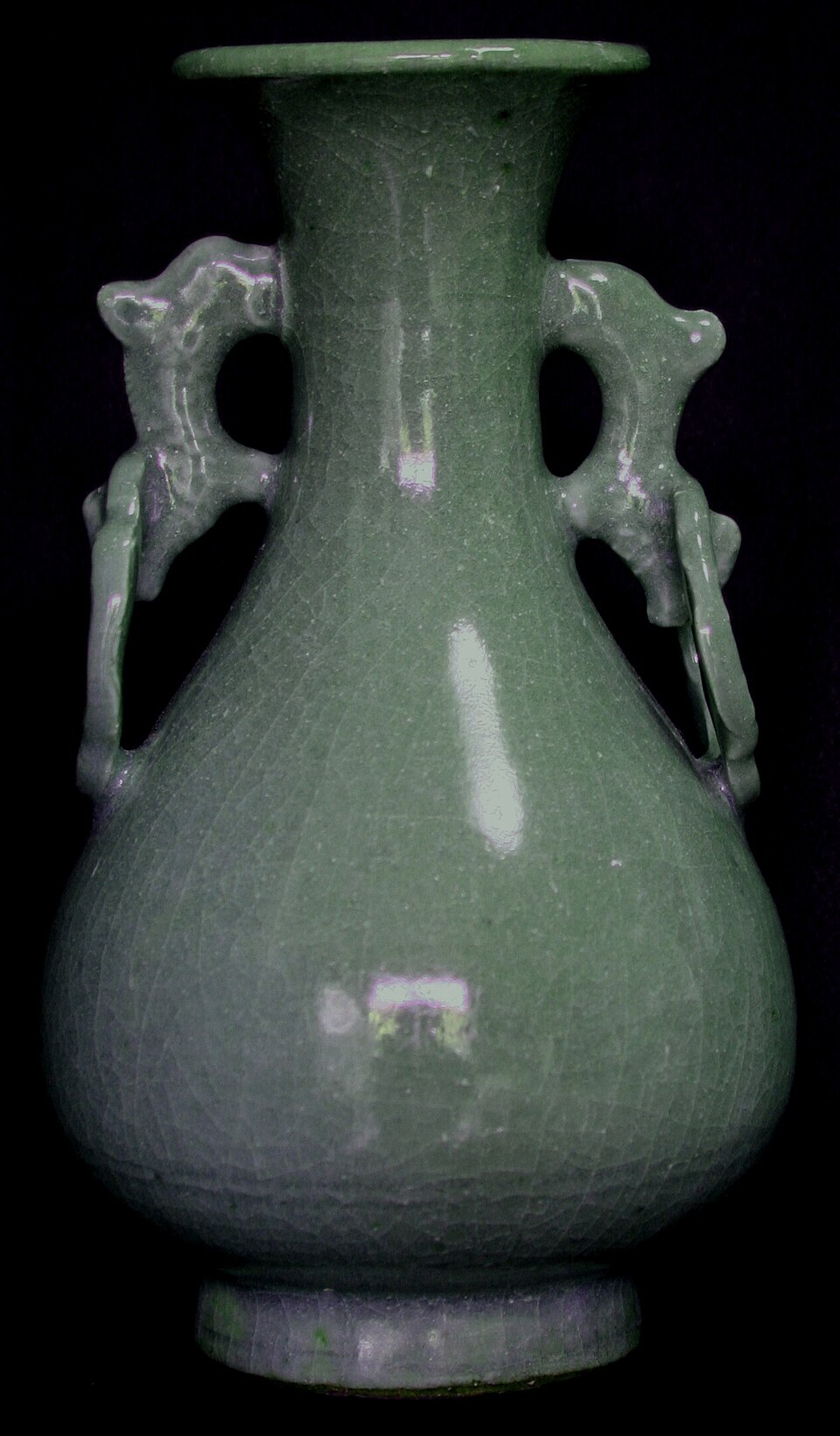
These kingdoms were never isolated. Their gold, together with ivory, left the interior along the rivers and overland paths to the harbours of the Swahili coast — Sofala, Kilwa and others — and from there sailed out on the monsoon winds into the wider Indian Ocean world. In return came glass beads from India, Egypt, Persia and Arabia, and porcelain from China. Song-dynasty celadon has been excavated at Great Zimbabwe and along the coast; the cobalt-blue and red glass beads found in the royal graves of Mapungubwe are the physical trace of a network that reached halfway across the globe.
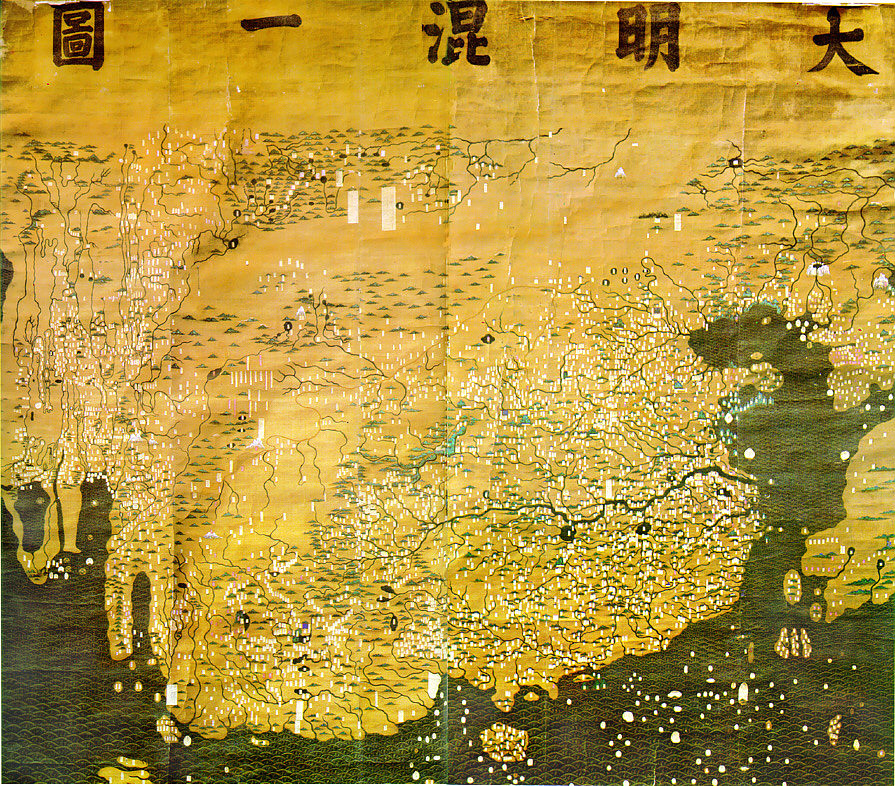
A Chinese map of 1389, the Da Ming Hun Yi Tu, already drew the southern African coast — a reminder that this corner of the world was known, and connected, long before European ships arrived. The corridor you have travelled was the southern anchor of that vast commercial web.
Both ends of the network are today inscribed on the UNESCO World Heritage List.

The Smoke that Thunders — where the Zambezi falls into a basalt chasm more than a kilometre wide, on the northern reach of the corridor and a UNESCO World Heritage Site inscribed in 1989. A natural extension to the journey, and the point at which Kingdoms of Gold can flow onward into another Southern Cross route — the Great Africa Crossing, or a Zambezi and Okavango gateway — subject to aviation logistics and operational feasibility.
Four kingdoms, one corridor of gold, told in the order history wrote it. From the first court above the Limpopo to the successor capitals and the southern hill in the Kruger, the journey follows a single civilisation as it moved with its wealth across a thousand years — and ends with the community who hold that land today.
This itinerary is a route framework, not a fixed departure. Flown privately, each Kingdoms of Gold journey is curated around your dates, travel rhythm, interests and preferred level of comfort. The corridor can be shortened, extended, re-paced, or combined with another Southern Cross journey — most naturally the Great Africa Crossing from Victoria Falls — subject to aviation logistics and operational feasibility.
Travellers who prefer the slow romance of the line may wish to explore the same corridor as a rail journey aboard Rovos Rail, to fixed departure dates. We would be glad to design either, or to combine them.
References to UNESCO World Heritage Sites are factual references to sites inscribed on the UNESCO World Heritage List: Mapungubwe, Great Zimbabwe, Khami, Matobo Hills and Mosi-oa-Tunya. Thulamela is a declared National Heritage Site and is not a UNESCO World Heritage Site. Southern Cross Experiences is an independent travel company and does not imply UNESCO endorsement of its journeys. Aviation is arranged through selected licensed operators, subject to availability and operational validation. Accommodation shown comprises indicative examples, selected for location, character and their relationship with conservation or community initiatives; final arrangements are confirmed during private route design.