
The Indian Ocean Trade Route
The Indian Ocean dhow route. Monsoon-driven trade between Africa, Arabia, India and China. Six UNESCO World Heritage Sites. Twelve to sixteen days.
A privately curated journey along the Swahili coast — for travellers who want to understand how the monsoon shaped civilisations and connected Africa to the world.
The Indian Ocean as a Single System
For a thousand years, the monsoon winds dictated which cities grew rich. The northeast monsoon (November to March) carried dhows from Arabia and India to the East African coast. The southwest monsoon (April to September) carried them back. The cities that controlled the landfalls — Kilwa, Zanzibar, Lamu, Mombasa — became among the most influential trading centres on the East African coast.
This route follows the monsoon trade from its military surface to its economic foundation. Fort Jesus is the contested gateway — Portuguese, Omani, British, all fighting for the same harbour. Gedi is the vanished city — abandoned and swallowed by forest. The Mijikenda Kaya Forests are the indigenous layer beneath the Swahili surface. Lamu is the living city — unchanged for centuries. Stone Town is the crossroads — where African, Arab and Indian Ocean cultures fused. And Kilwa is the source of wealth — the medieval port that controlled the gold arriving from the interior.
Kilwa is where the Monsoon Trade meets the Gold Route (ATR-1). Gold from southern African interior trade networks, including regions associated with Mapungubwe and later Great Zimbabwe, reached the Swahili coast through intermediary systems linked to the Sofala coast. The two routes together document the a wider corridor from interior production zones to Indian Ocean markets — inland and coastal chapters of the same economy.
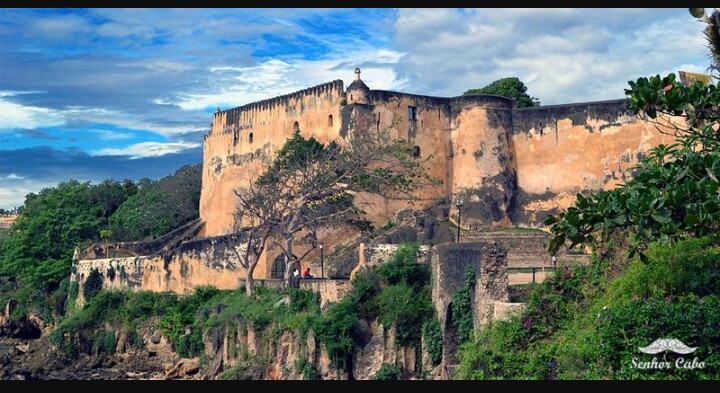
Fort Jesus & the Kenya Coast
Arrive at the Kenya coast. Fort Jesus, built by the Portuguese in 1593 to control the Indian Ocean trade, changed hands nine times between Portuguese, Omani and British forces. The fortress is the military surface of the monsoon trade — the proof that whoever controlled Mombasa’s harbour gained influence over one of the key gateways of the Indian Ocean trade.
Day excursion to the Sacred Mijikenda Kaya Forests (UNESCO WHS 2008) — the fortified forest settlements of the Mijikenda people, a distinct indigenous coastal cultural landscape that existed alongside the Swahili trading cities.
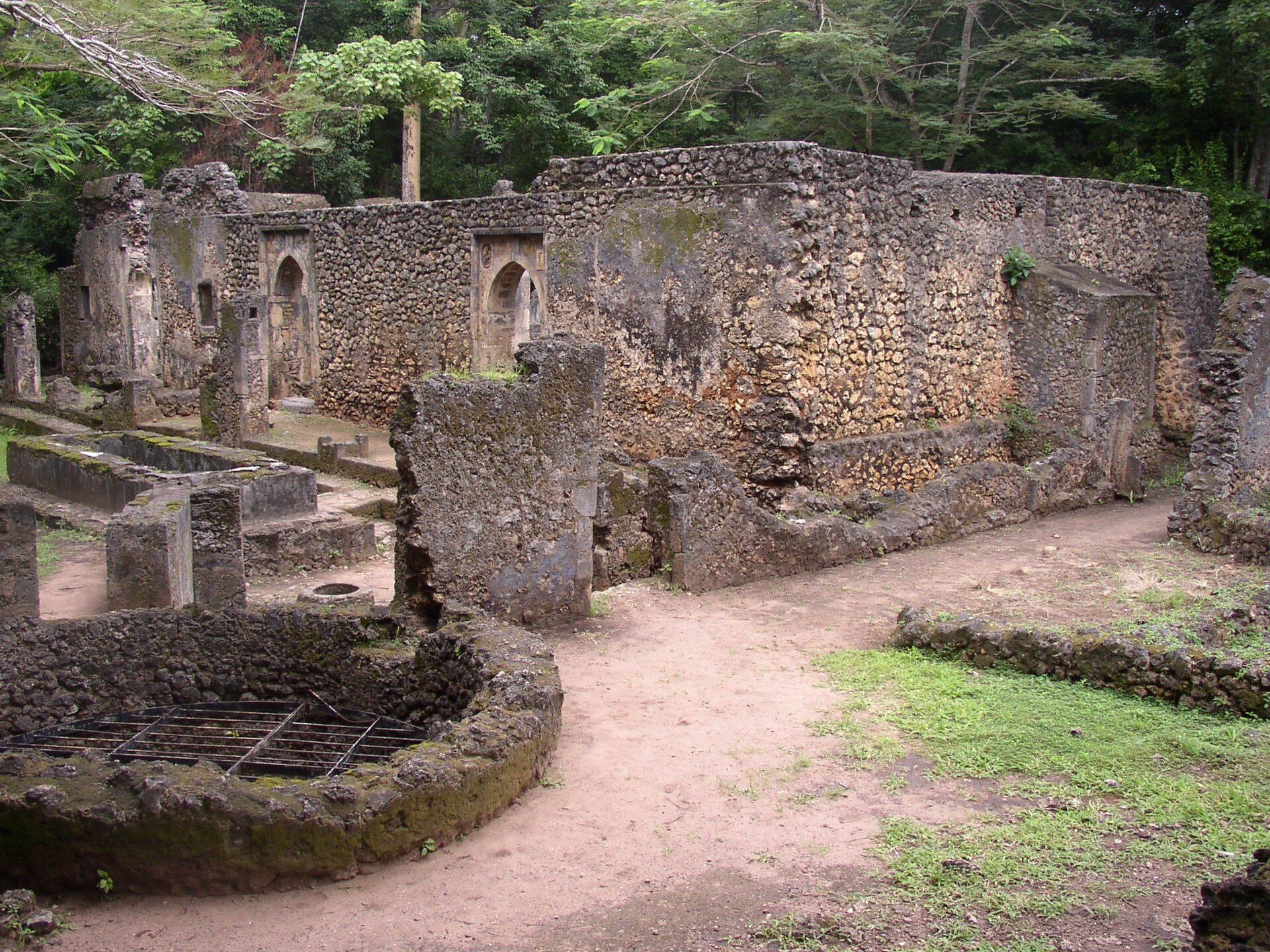
Gedi Ruins & Watamu
Gedi is the mystery of the Swahili coast — a prosperous coral-stone city of mosques, palaces and houses, abandoned in the 15th or 16th century and reclaimed by the forest. No one knows with certainty why it was abandoned. Chinese porcelain, Venetian glass beads and iron scissors from India found among the ruins prove Gedi was connected to the same global trade system as Kilwa and Zanzibar.
The contrast between the vanished grandeur of Gedi and the living city of Lamu, the next stop, is one of the most powerful juxtapositions on this route.
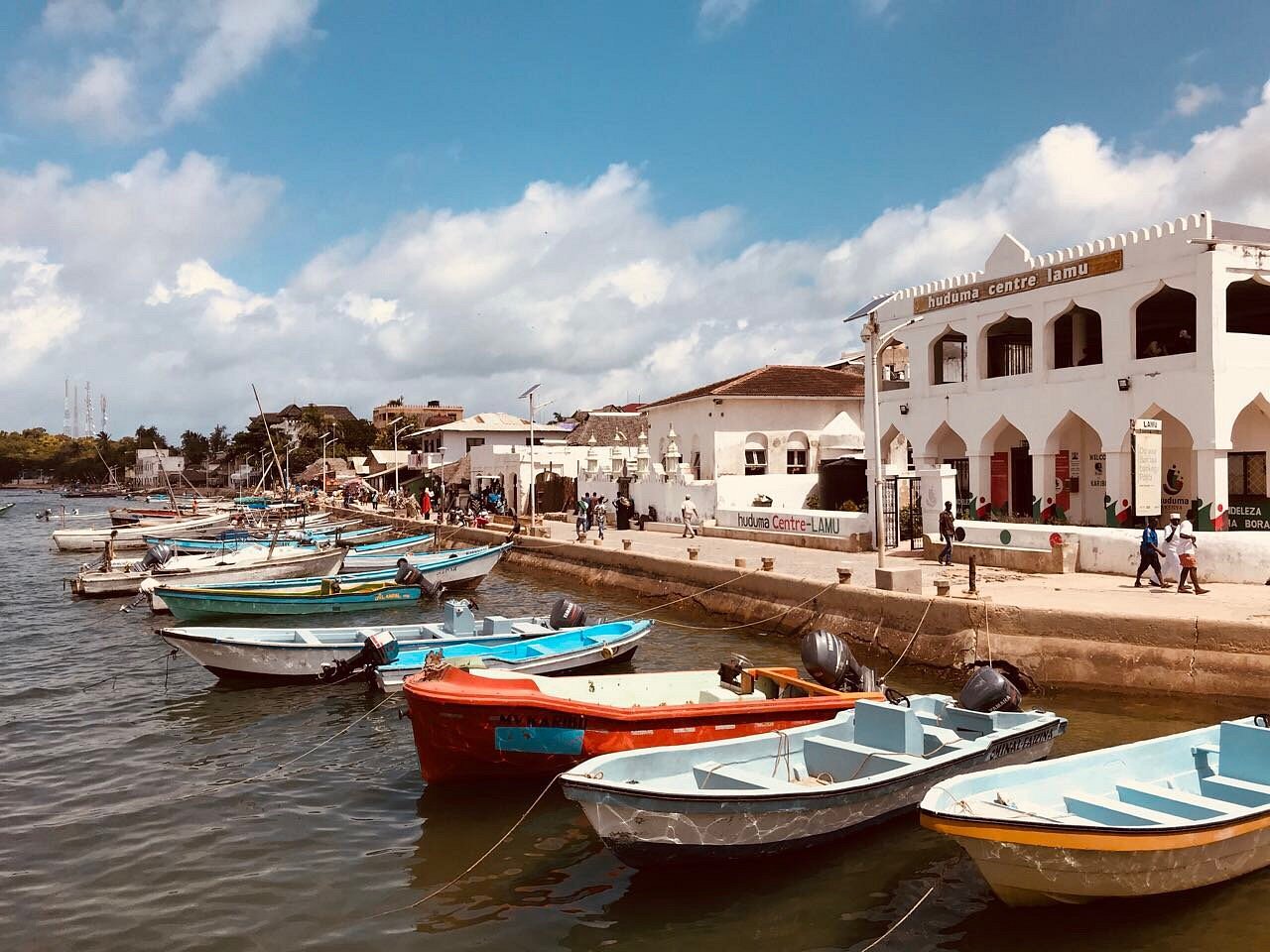
Lamu Old Town
Lamu is the oldest and best-preserved Swahili settlement in East Africa — a living city that has functioned continuously since the 14th century. No cars. Donkeys and dhows. Coral-stone architecture, carved Swahili doors, and a daily rhythm that still preserves many traditional Swahili urban forms, crafts and social practices.
Lamu is the proof that the monsoon trade did not just pass through — it settled. The city’s architecture, cuisine, language and social structure are the living residue of a thousand years of Indian Ocean exchange. Where Gedi vanished, Lamu endured.
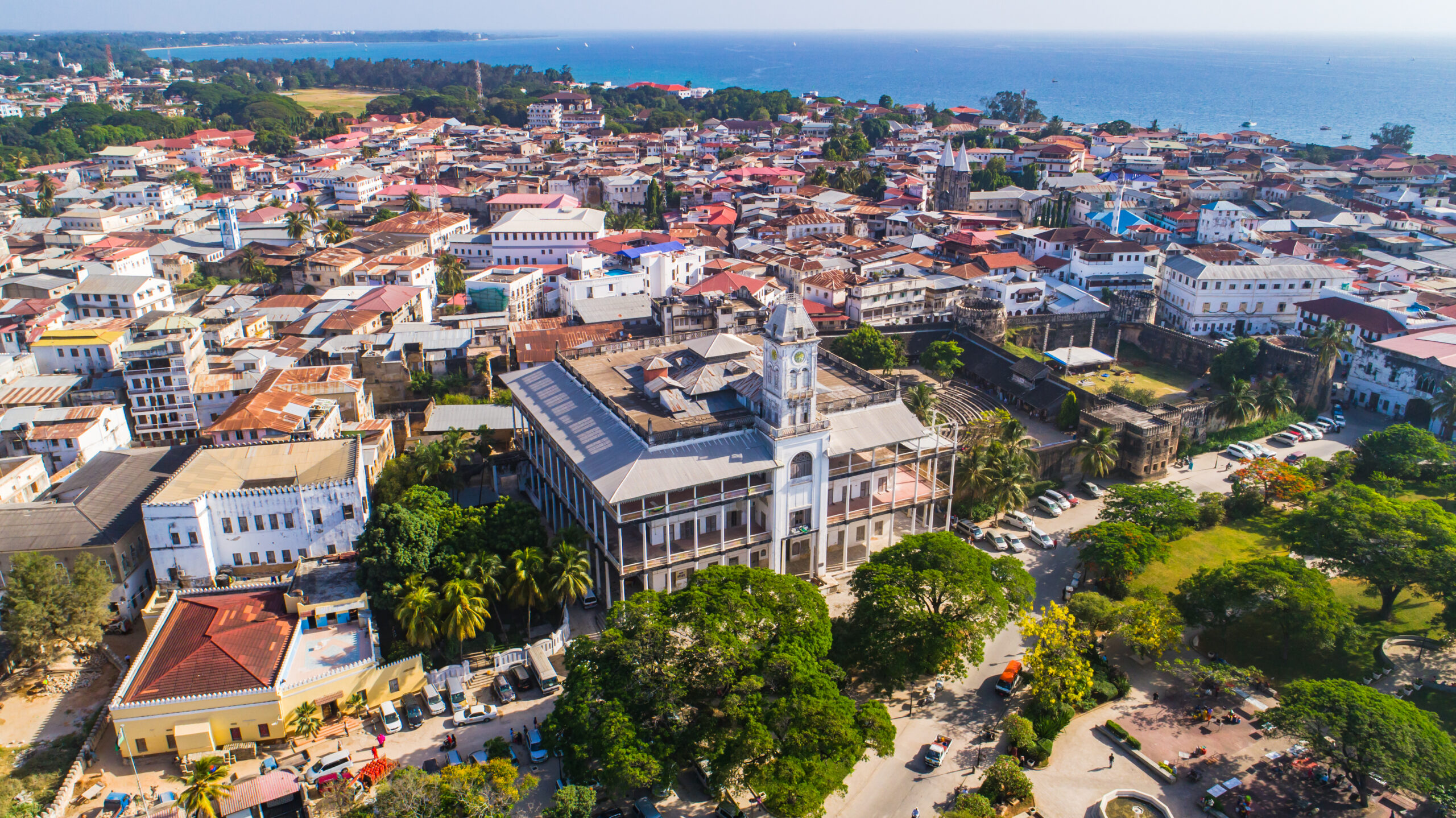
Stone Town of Zanzibar
Stone Town is the crossroads — the place where African, Arab, Indian and European cultures fused over a thousand years into something none of them could have produced alone. The Sultan’s Palace, the House of Wonders, the Anglican Cathedral built on the site of the slave market, the spice plantations — layer upon layer of history compressed into a few square kilometres.
Zanzibar became one of the principal centres of the clove trade, ivory trade and East African slave trade, especially under Omani influence in the nineteenth century. It is one of the most culturally layered sites on this route — and the hinge between the northern Swahili coast (Kenya) and the southern trade ports (Kilwa).
Kilwa Kisiwani & Fanjove Island
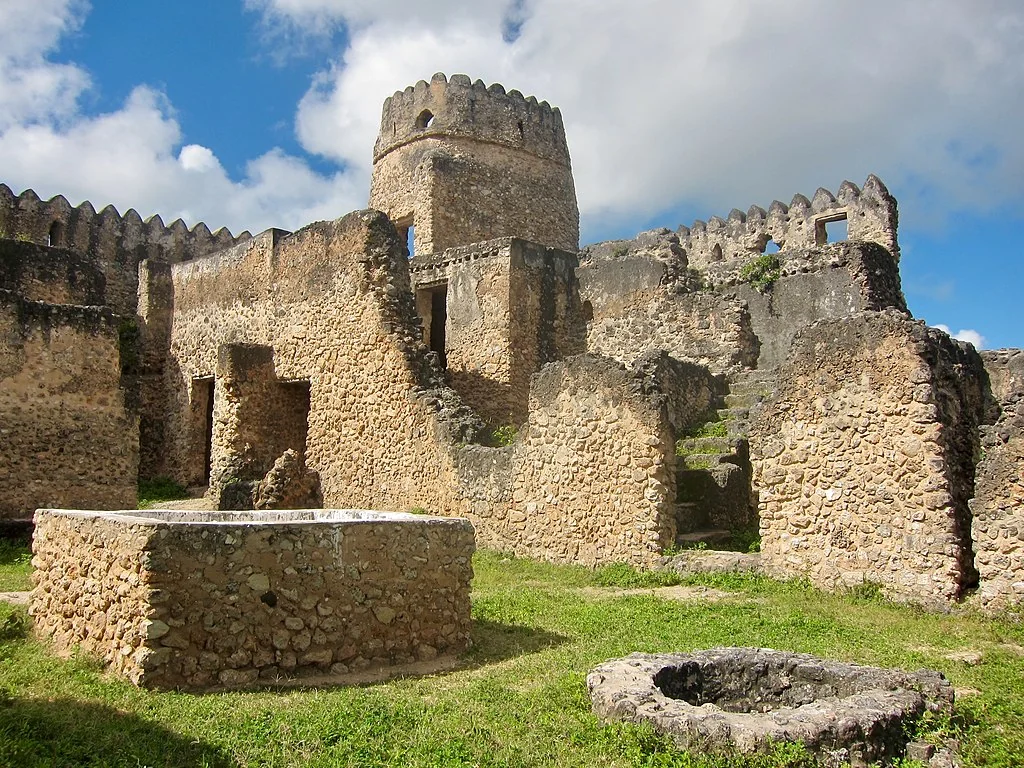
Kilwa Kisiwani is where the Monsoon Trade meets the Gold Route. In the fourteenth century, Kilwa was among the most prosperous Swahili trading cities of the Indian Ocean world. Its Great Mosque was one of the most significant mosque complexes south of the Sahara. Kilwa controlled the gold arriving from the interior via Sofala — the gold that had left Mapungubwe and Great Zimbabwe generations earlier.
The ruins on Kilwa Kisiwani island — mosques, palaces, a vast commercial complex — are the physical evidence of what monsoon trade wealth could build. Combined with nearby Songo Mnara, the site is one of the most important archaeological landscapes on the East African coast.
Zanzibar or Dar es Salaam — The Departure
Private charter from Kilwa back to Zanzibar (Abeid Amani Karume International Airport) or Dar es Salaam (Julius Nyerere International Airport) for international departure. Both airports offer direct connections to Nairobi, Addis Ababa, Doha, Dubai and onward worldwide.
Optional: a final night in Stone Town before departure — returning to the place where the monsoon trade story converges.
Distances & Transfers
| Segment | Distance | Transfer | Time |
|---|---|---|---|
| Mombasa Airport → Diani | 35 km | Private Transfer | 45 min |
| Diani → Gedi Ruins | 120 km | Private Transfer | 2 hours |
| Diani → Kaya Forests | 40 km | Private Transfer | 45 min |
| Mombasa → Lamu | 350 km | Private Charter | 1 hour |
| Lamu → Zanzibar | 600 km | Private Charter | 1.5 hours |
| Zanzibar → Kilwa | 280 km | Private Charter | 45 min |
| Kilwa → Zanzibar / Dar es Salaam | 280 / 300 km | Private Charter | 45 min / 1 hour |
All charter flights and transfers are arranged through selected licensed operators. Distances are approximate. Routings are subject to aircraft availability, security assessment and final operational validation.
The Heritage Sites on This Route
Fort Jesus, Mombasa
Portuguese fortress built 1593 to secure the Indian Ocean trade route. Changed hands nine times. The military architecture of monsoon trade competition — Portuguese, Omani, British, all fighting for the same harbour.
Gedi Ruins
A prosperous Swahili coral-stone city abandoned in the 15th or 16th century and reclaimed by forest. Chinese porcelain, Venetian glass and Indian tools found among the ruins. The mystery of the Swahili coast.
Sacred Mijikenda Kaya Forests
Fortified forest settlements of the Mijikenda people. The indigenous cultural layer beneath the Swahili trading cities. Eleven separate sacred forests along the Kenya coast, each with its own community governance.
Lamu Old Town
The oldest and best-preserved Swahili settlement in East Africa. Functioning continuously since the 14th century. Coral-stone architecture, carved doors, and a living urban fabric that still preserves many traditional Swahili functions.
Stone Town of Zanzibar
Where African, Arab, Indian and European cultures fused over a millennium. The Sultan’s Palace, the slave market site, the spice plantations. The most culturally complex single site on the route.
Kilwa Kisiwani & Songo Mnara
Medieval port city. In the 14th century, among the wealthiest cities in the world. The Great Mosque was the largest in sub-Saharan Africa. Where the Gold Route meets the Indian Ocean.
References to UNESCO World Heritage Sites are factual references to sites inscribed on the UNESCO World Heritage List. Southern Cross Experiences is an independent travel company and does not imply UNESCO endorsement of this journey.
Where You Stay Along the Swahili Coast
Exclusive private villa on the Kenya coast. Fort Jesus and Kaya Forests day trips. Barefoot luxury.
Boutique waterfront hotel in Swahili architectural style. The finest address on Lamu Island.
Luxury hotel on the Stone Town waterfront. Historic building, contemporary comfort. Heritage at the doorstep.
Private island, marine conservation. Kilwa Kisiwani day trip by boat. The remotest luxury on the Swahili coast.
Designed Around You
This itinerary is a route framework, not a fixed departure. Each Southern Cross journey is privately curated around your dates, travel rhythm, interests and preferred level of comfort. The route can be shortened, extended, or combined with another SCE journey — subject to aviation logistics and operational feasibility.
The Monsoon Trade Route crosses the African Ivory Route and the African Slave Trade Route at Zanzibar. It can be combined with the Great Africa Crossing or extended into a wider Indian Ocean heritage journey.