
The Ancient Trade Routes
The corridors that connected Africa’s interior kingdoms to the Swahili Coast and the wider Indian Ocean world — toward Arabia, India and China. A heritage category of its own, built around the trade that shaped a continent.
The Trade That Shaped a Continent
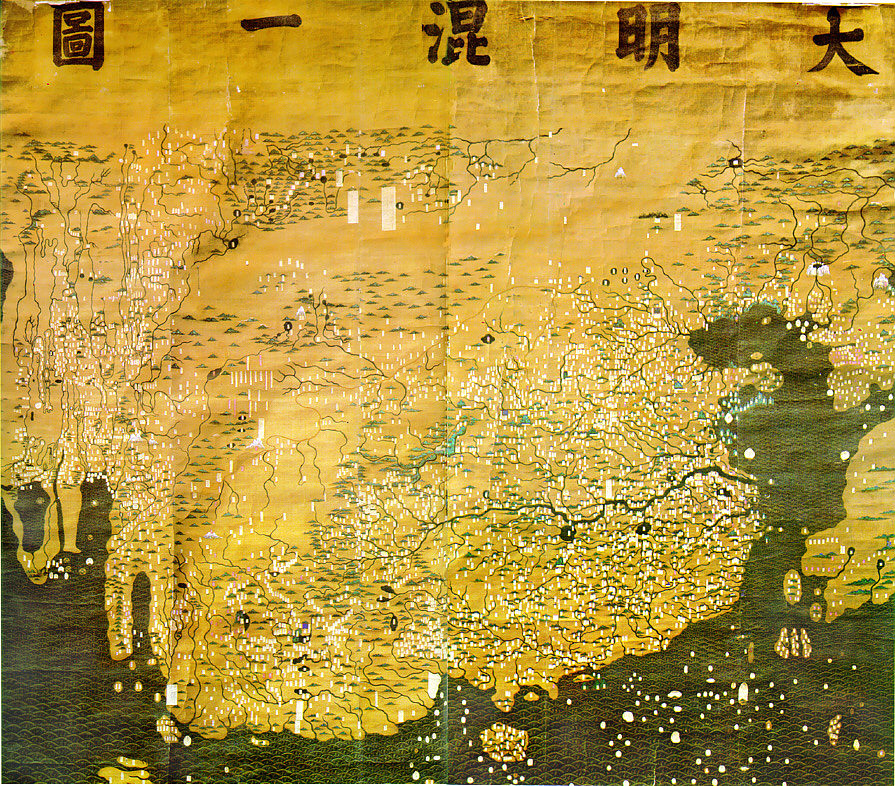
Long before the colonial era, the interior of southern Africa was connected to a vast commercial world. Gold and ivory moved from the kingdoms of the plateau down to the Swahili Coast, and from there across the Indian Ocean on the monsoon winds — to Arabia, India and China. These were not isolated caravans. They formed a network of long-distance trade that linked African states to some of the great commercial civilisations of the medieval world.
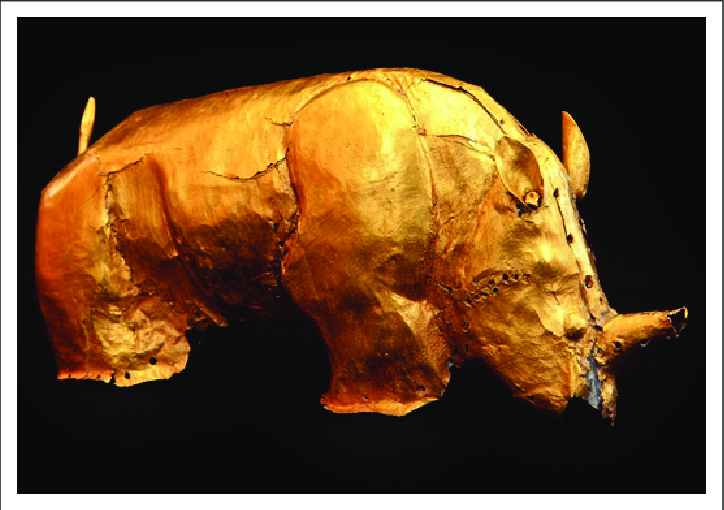
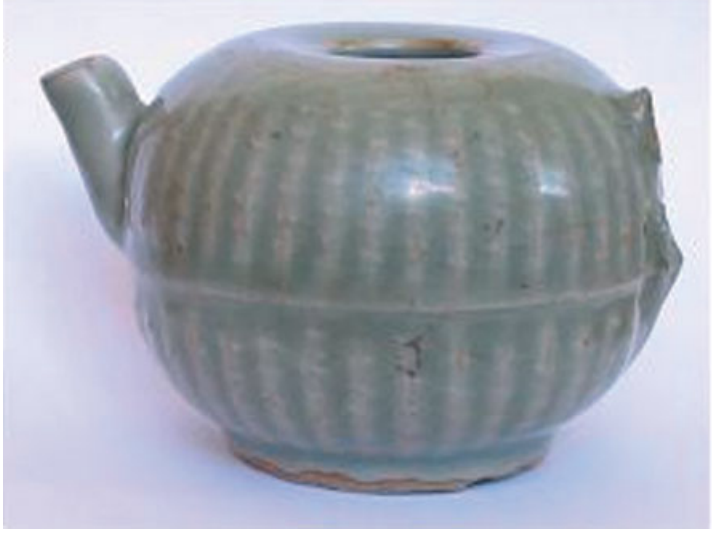
At Mapungubwe — a UNESCO World Heritage Site and one of the most significant pre-colonial polities in southern Africa — the archaeological record makes this connection tangible. The famous gold-foil rhinoceros, gold artefacts, glass trade beads and imported Chinese ceramics found at the site illustrate Mapungubwe’s place within these wider Indian Ocean and Asian trade networks. The same story continues north through Great Zimbabwe and Thulamela, and out to the coast at the Swahili city-states and Zanzibar.
We give these journeys a category of their own because they are not simply “safari with culture added.” They are an interpretive heritage framework: a way of travelling that follows the historical logic of the trade itself — from source to coast, from kingdom to port — and reads the landscape, the architecture and the archaeology as one connected story.
Three Trade Routes — and the Journey That Connects Them
Each route is a privately curated interpretive journey. The Trans-Saharan caravan corridor appears on our map as historical context but is not currently travellable.
The stone kingdoms of the plateau, in the order history built them: Mapungubwe, Great Zimbabwe, Khami and Thulamela. The gold-producing heart of the trade.
Explore the RouteFrom the interior to the Swahili Coast and Zanzibar — following the ivory that moved from the African interior into the Indian Ocean trade world.
Explore the RouteThe Swahili Coast and its dhow ports — Zanzibar, Mombasa, Lamu and Kilwa — where the monsoon winds carried trade onward toward Arabia, India and China.
Explore the RouteOur flagship fly-in journey passes through many of the same stone kingdoms as the trade routes — Khami, Great Zimbabwe, Mapungubwe and Thulamela — weaving heritage, wildlife and landscape into one journey from Victoria Falls to Cape Town.
Explore the Signature SafariWhy We Built This
The Ancient Trade Routes category grows out of more than two decades of work by our founder, Doris Wörfel, who developed the ancient trade route heritage concept with Mapungubwe as its anchor.
That work has included the personal co-financing of the digitisation of the Mapungubwe Archive at the University of Pretoria — some 460 photographs and more than 5,000 pages of early excavation records — carried out in collaboration with the University. The Southern Cross Foundation was recognised in 2005 as a Cooperating Organisation of the South African National Commission for UNESCO, worked with the German Technical Cooperation (GTZ) on the Mapungubwe interpretation concept, and delivered community tourism training in partnership with the International Labour Organization’s SCORE programme.
Doris Wörfel was later recognised in UNESCO’s “50 Minds for the Next 50 Sustainable Tourism” and served as lead author of the tourism policy brief presented at the C20/G20 South Africa 2025. This is the foundation on which these journeys are built: heritage read as history, travelled with care.
Travel an Ancient Trade Route
Each journey is privately curated around your dates, interests and travel rhythm. Tell us which corridor draws you, and we will design the route around you.
Enquire About a Trade Route JourneyThe Ancient Trade Routes are interpretive heritage route frameworks. Historical references are presented as heritage interpretation, not as definitive historical claims. References to UNESCO World Heritage Sites are factual references to sites inscribed on the UNESCO World Heritage List — Southern Cross Experiences is an independent travel company and does not imply UNESCO endorsement of its journeys. All routings, aircraft and accommodations are indicative and subject to availability, conservation regulations, aviation approvals and final route validation.