
The African Slave Trade Route
From the Atlantic departure points of Gorée and Cape Coast to the Indian Ocean markets of Zanzibar — and onward to the mountain of resistance on Mauritius. Eight UNESCO World Heritage Sites across six countries. Twenty-two to twenty-six days.
For members of the African diaspora, this journey is not tourism. It is a return.
This journey is designed with particular care for memory, dignity and respectful interpretation. The sites visited are places of profound historical weight. SCE works with local heritage communities, memorial custodians and specialist historians to ensure that every encounter honours the people whose stories these landscapes hold.
Two Oceans, One History of Memory and Loss
Gorée and Kunta Kinteh Island are the Atlantic departure points — where the Gambia River carried people from the interior to the coast. Cape Coast Castle and Elmina are the holding forts. Behind the coast, Kumasi and Abomey are the inland kingdoms — African centres of power that both resisted and participated in the trade, a complexity this journey does not simplify.
At Ouidah, the Door of No Return faces the Atlantic. At Stone Town, the slave market faced the Indian Ocean. Between them: Bagamoyo — “lay down your heart” — where enslaved people from the interior took their last steps on the African mainland. The 6,000 kilometres between West and East Africa is the scale of what happened.
But this journey does not end with loss. On Le Morne in Mauritius, escaped enslaved people found refuge on a mountain and chose death over recapture. At Aapravasi Ghat, the system that replaced slavery — indentured labour — is documented. The route asks not only what was taken, but what endured.
This route is aligned with the spirit of UNESCO’s Routes of Enslaved Peoples: Resistance, Liberty and Heritage programme, which since 1994 has supported research, memory transmission and intercultural dialogue around the history and legacies of slavery. SCE’s African Slave Trade Route connects the sites that UNESCO has identified as globally significant into a single, privately curated journey that spans both oceans.
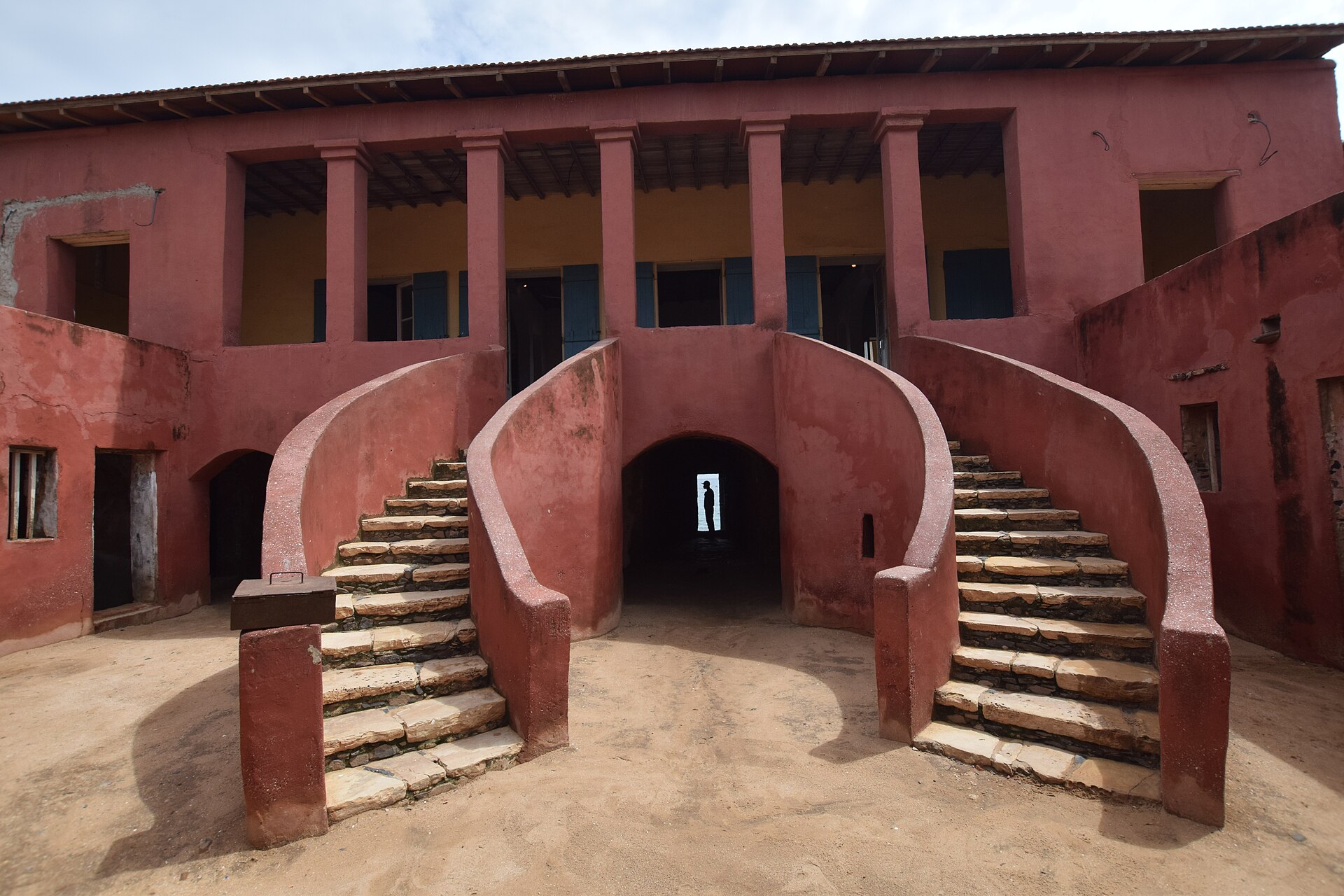
Dakar & the Island of Gorée
The 20-minute ferry to Gorée Island crosses a harbour that once held slave ships. The Maison des Esclaves and its Door of No Return became one of the most powerful symbolic departure points of the transatlantic slave trade. The island is small enough to walk in an hour. Its weight is immeasurable.
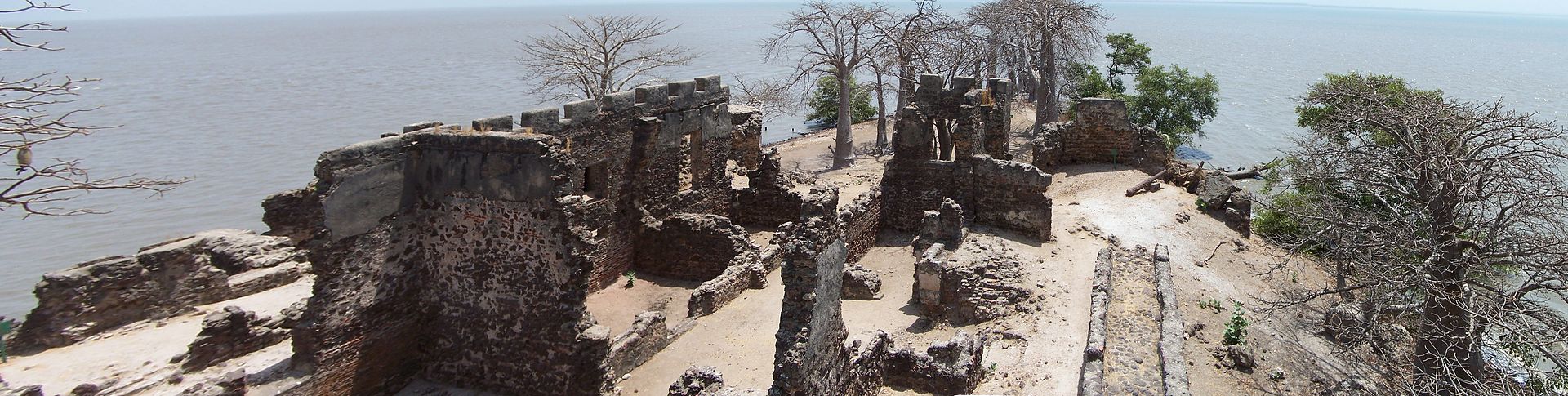
Kunta Kinteh Island & the Gambia River
Transfer to Banjul. Kunta Kinteh Island — formerly James Island — sits in the Gambia River, the waterway that carried enslaved people from the interior to the Atlantic coast. The island and its related sites document the Gambia River not as geography but as a corridor of forced movement. The name honours the ancestor from Alex Haley’s Roots — a story that returned the diaspora to this river.
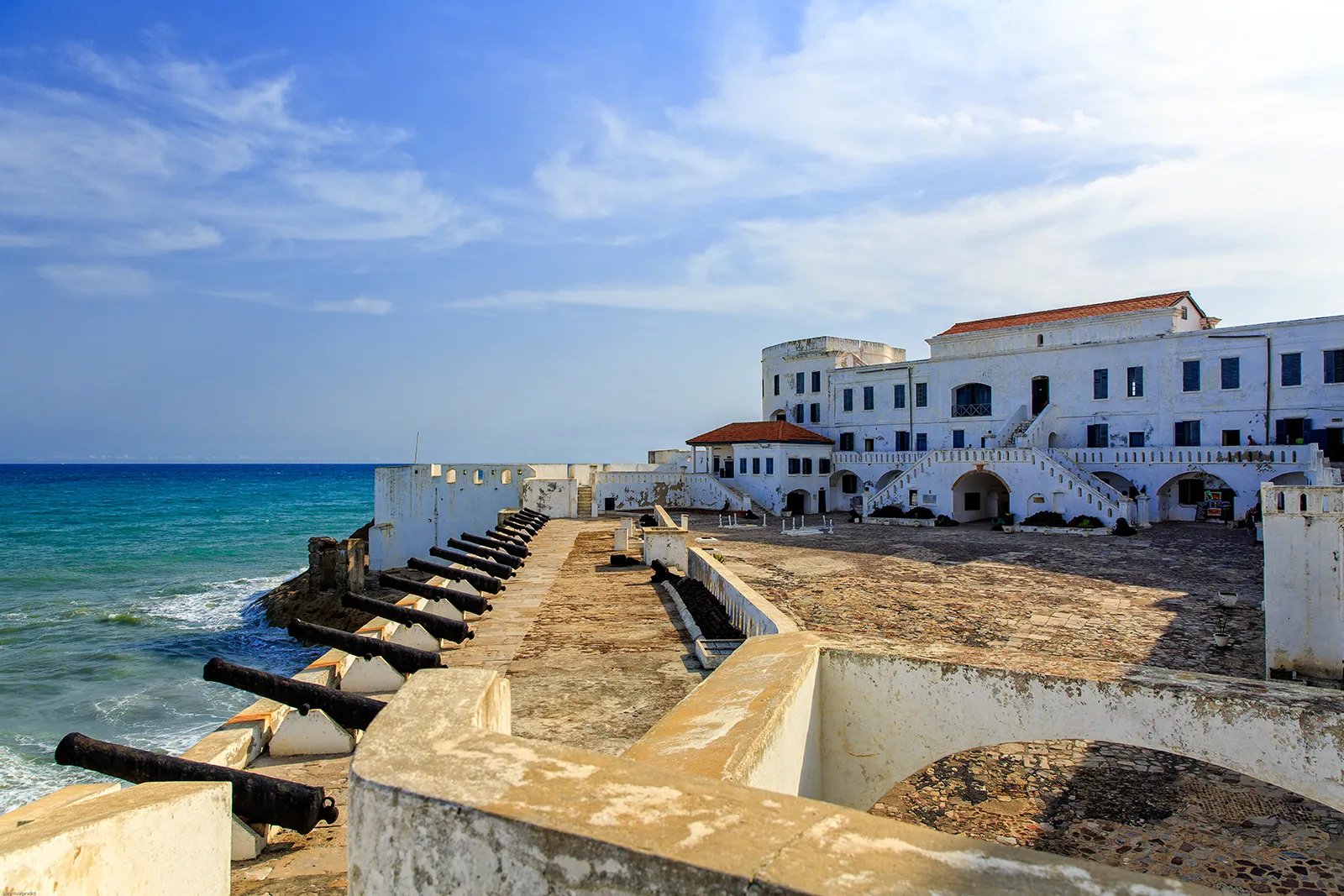
Cape Coast Castle & Elmina
Fly to Accra, drive west to Cape Coast. Cape Coast Castle and Elmina Castle are among the most significant slave-trade fortifications on the West African coast. The underground dungeons where enslaved people were held before the Middle Passage are among the most confronting heritage sites in the world. Thirteen kilometres separate the two castles. Between them, they processed hundreds of thousands of human beings.
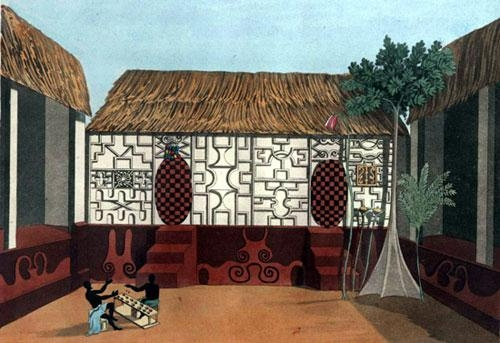
Kumasi & the Asante Kingdom
Drive north to Kumasi. The Asante Traditional Buildings are the last material witnesses of the great Asante civilisation that reached its peak in the 18th century. The Asante kingdom both resisted European control and participated in the slave trade — a complexity this journey does not simplify. Kumasi brings the inland African perspective into the route: power, statecraft, trade and entanglement.
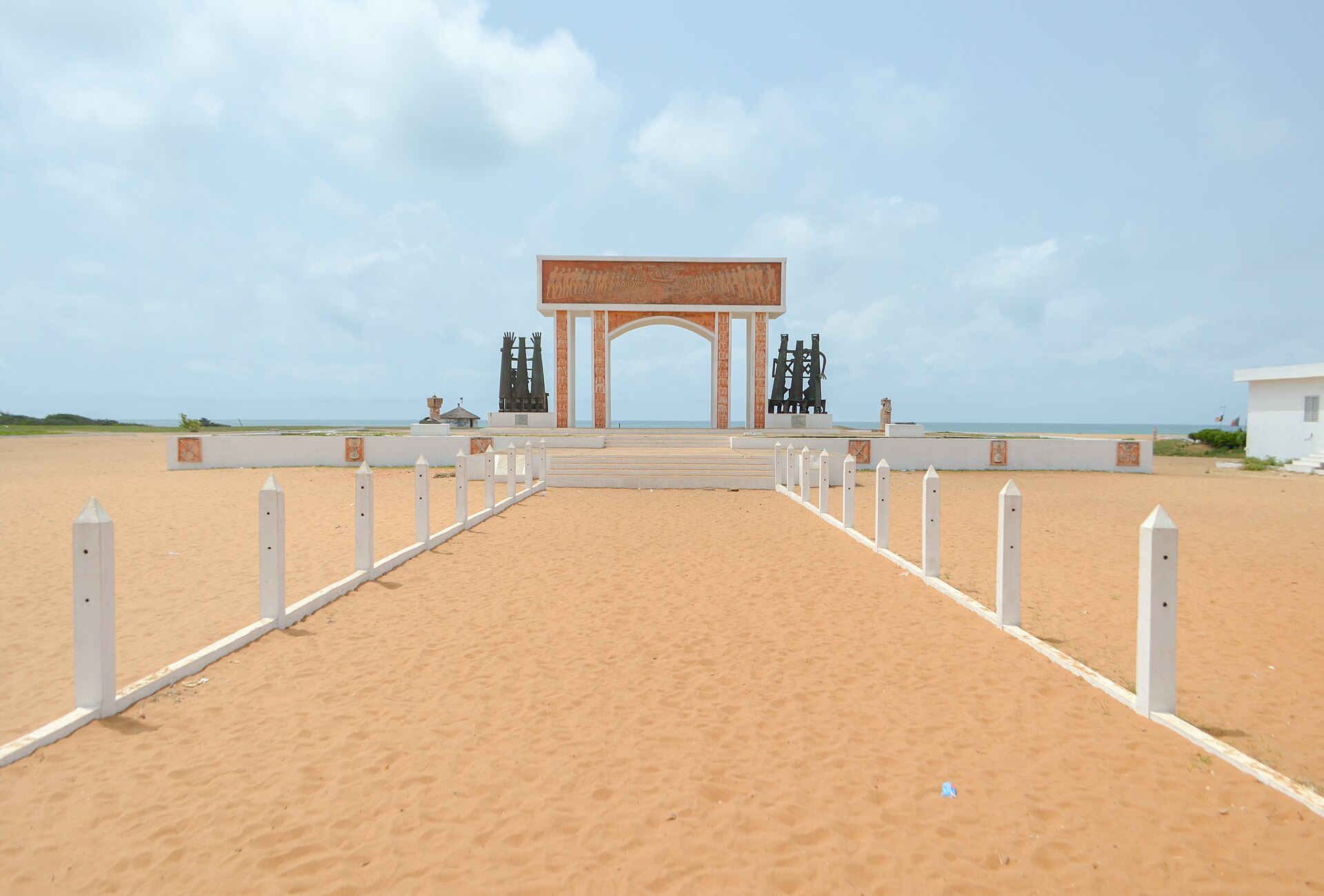
Abomey, Ouidah & the Kingdom of Dahomey
Fly to Cotonou. The Royal Palaces of Abomey document the Kingdom of Dahomey, one of the most powerful forces on the West African coast from the 17th to 19th century — a kingdom whose wealth was built on the slave trade. At Ouidah, the Route des Esclaves ends at the Door of No Return on the beach — the last point of African soil before the Atlantic crossing. Ouidah is also where the Door of Return now stands: a monument for the diaspora coming home.
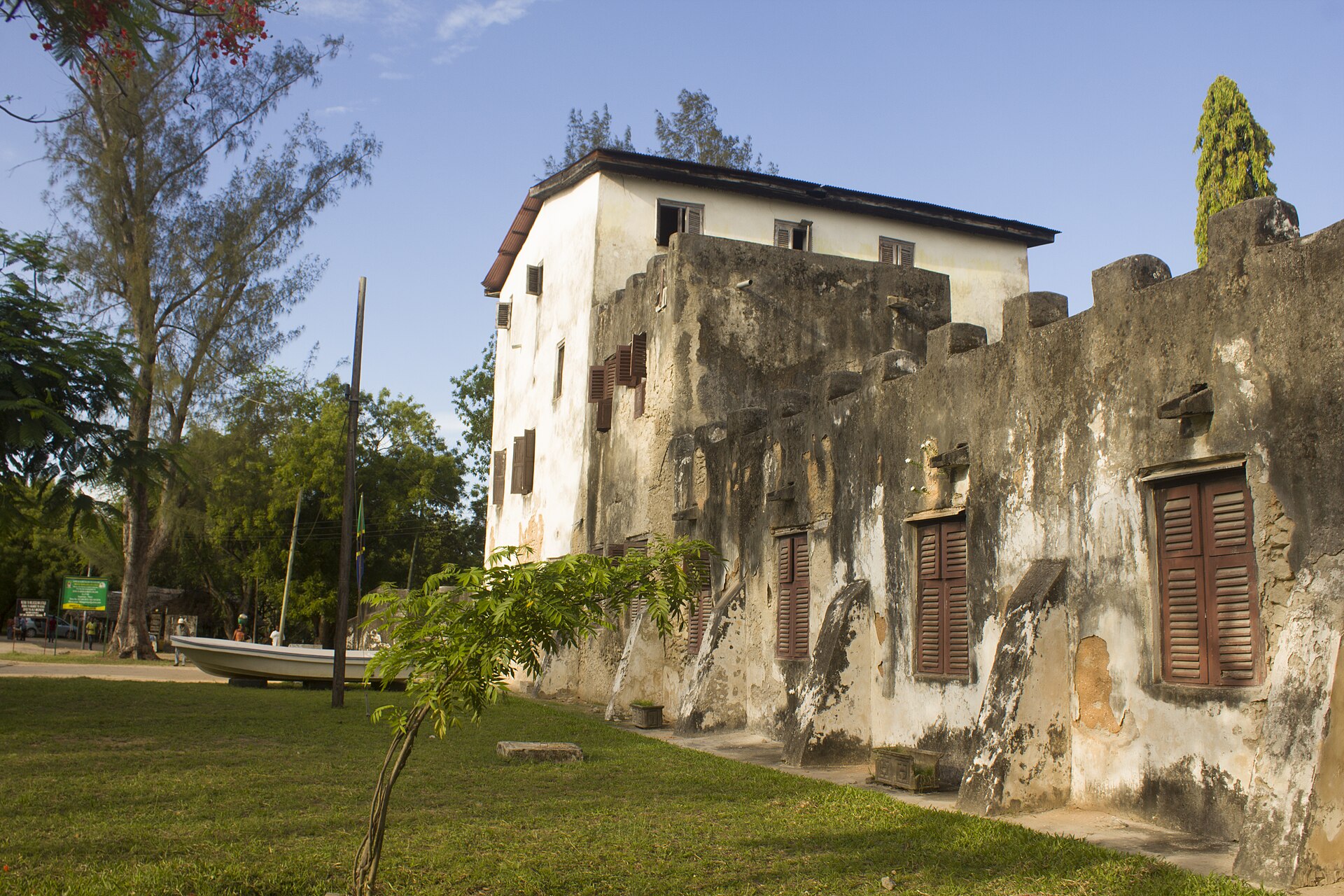
Bagamoyo
Fly to Dar es Salaam, drive north to Bagamoyo. The name means “lay down your heart.” This was where enslaved people from the interior, having walked hundreds of kilometres in chains — often carrying ivory tusks on their backs — took their last steps on the African mainland before being shipped to Zanzibar. The old town, the Kaole ruins and one of the oldest Catholic missions in East Africa document a place where trade, faith and forced movement intersected.
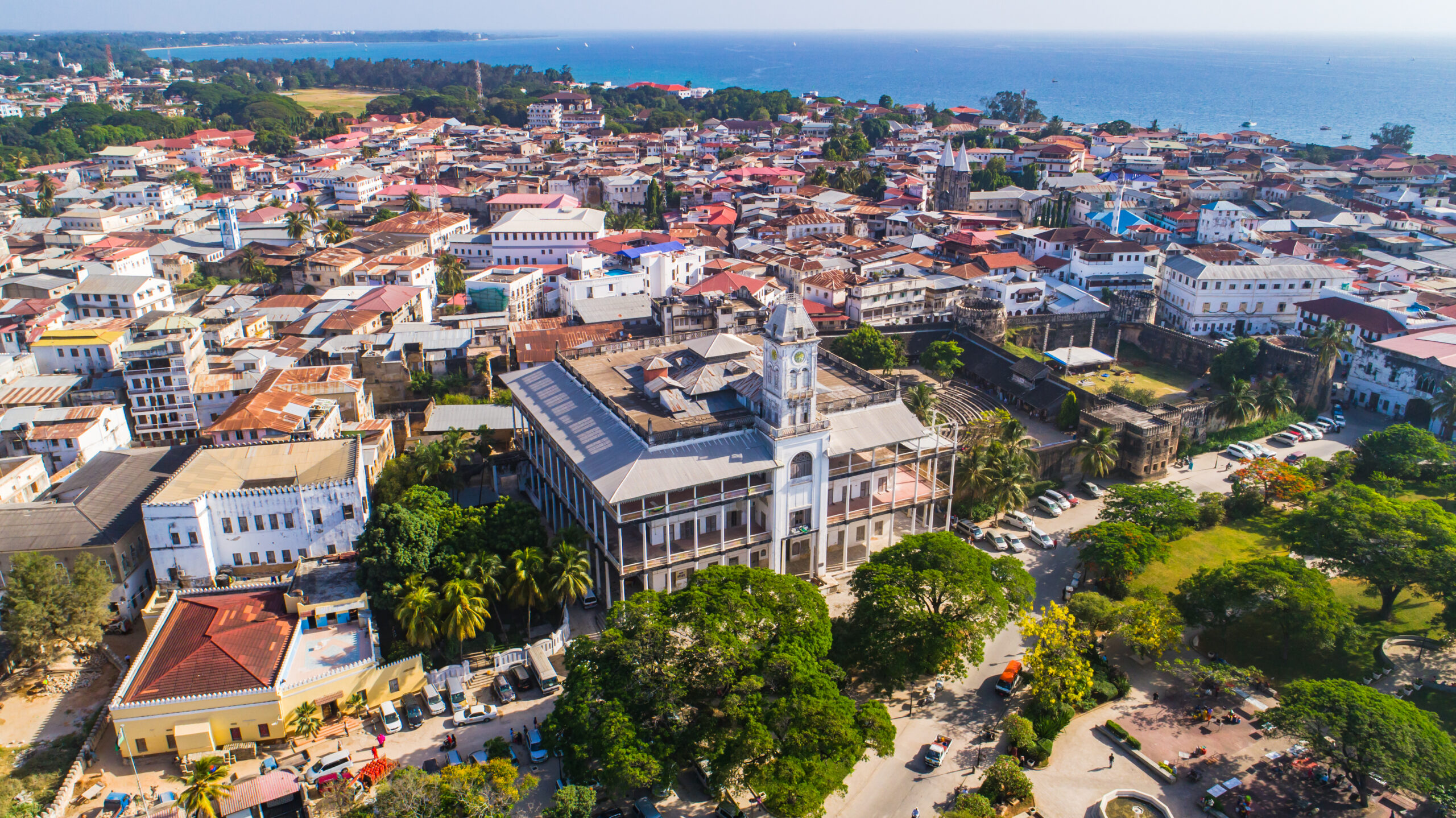
Stone Town of Zanzibar
Stone Town was one of the major centres through which the Indian Ocean slave trade was organised and ultimately abolished. The Anglican Cathedral stands on the exact site of the former slave market — the altar marks where the whipping post stood. But Zanzibar is not only about the slave trade. It is a living city of extraordinary cultural complexity — African, Arab, Indian, Portuguese layers compressed into a few square kilometres.
Here, the African Slave Trade Route meets the African Ivory Route — the corridor that carried ivory from Mapungubwe and Great Zimbabwe to the markets of Zanzibar. The enslaved often carried the tusks.
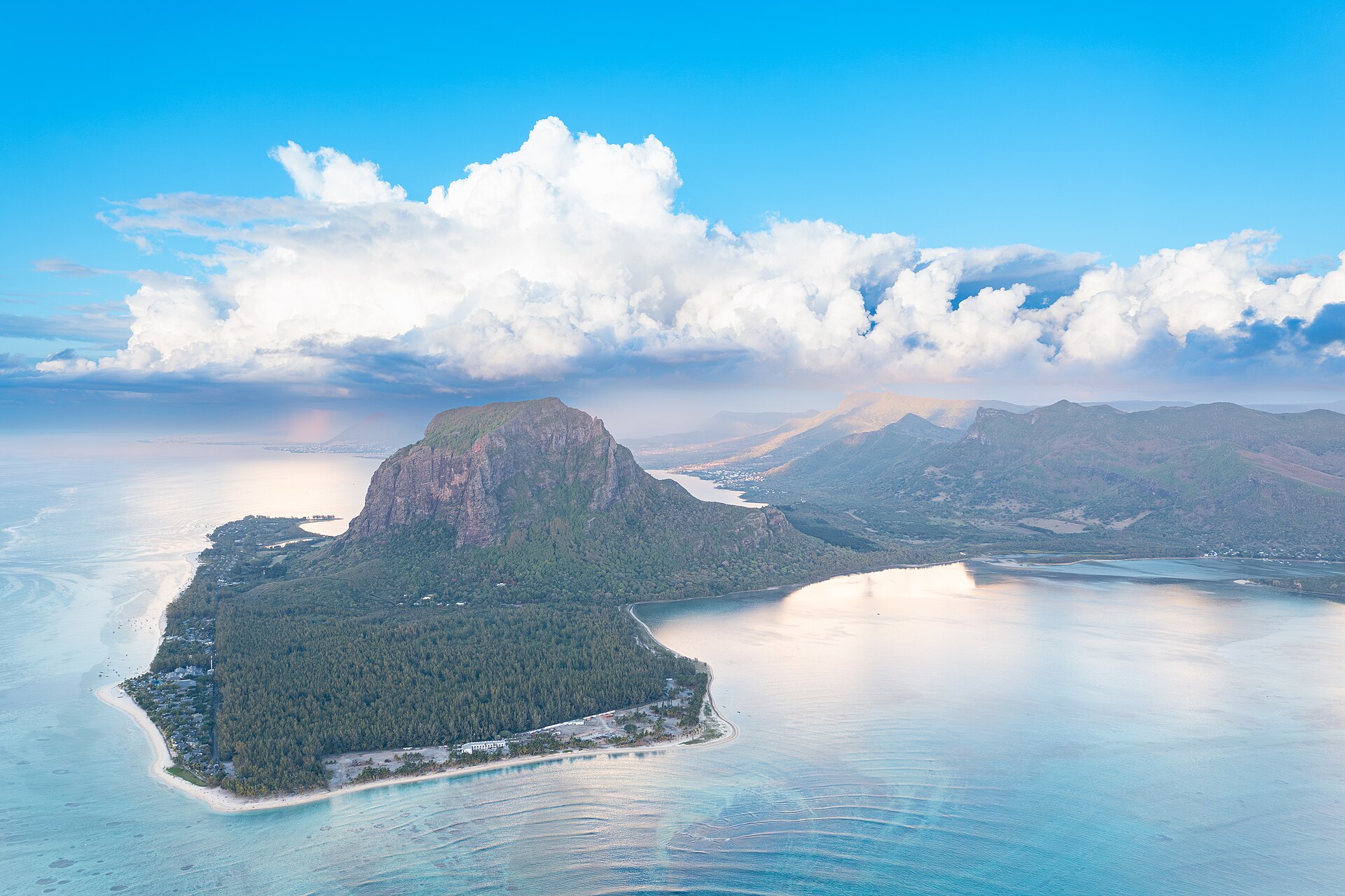
Le Morne — The Mountain of Resistance
Fly to Mauritius. Le Morne Brabant is a basalt mountain on a peninsula in the southwest of Mauritius. In the 18th and early 19th centuries, it served as a refuge for escaped enslaved people — maroons — who hid in its caves and on its summit. When British soldiers came to announce abolition in 1835, the maroons on the mountain, believing they were about to be recaptured, chose to leap to their deaths rather than return to slavery.
Le Morne is where the route shifts from loss to resistance. It is the proof that the history of slavery is not only a history of what was done to people, but of what people did in response.
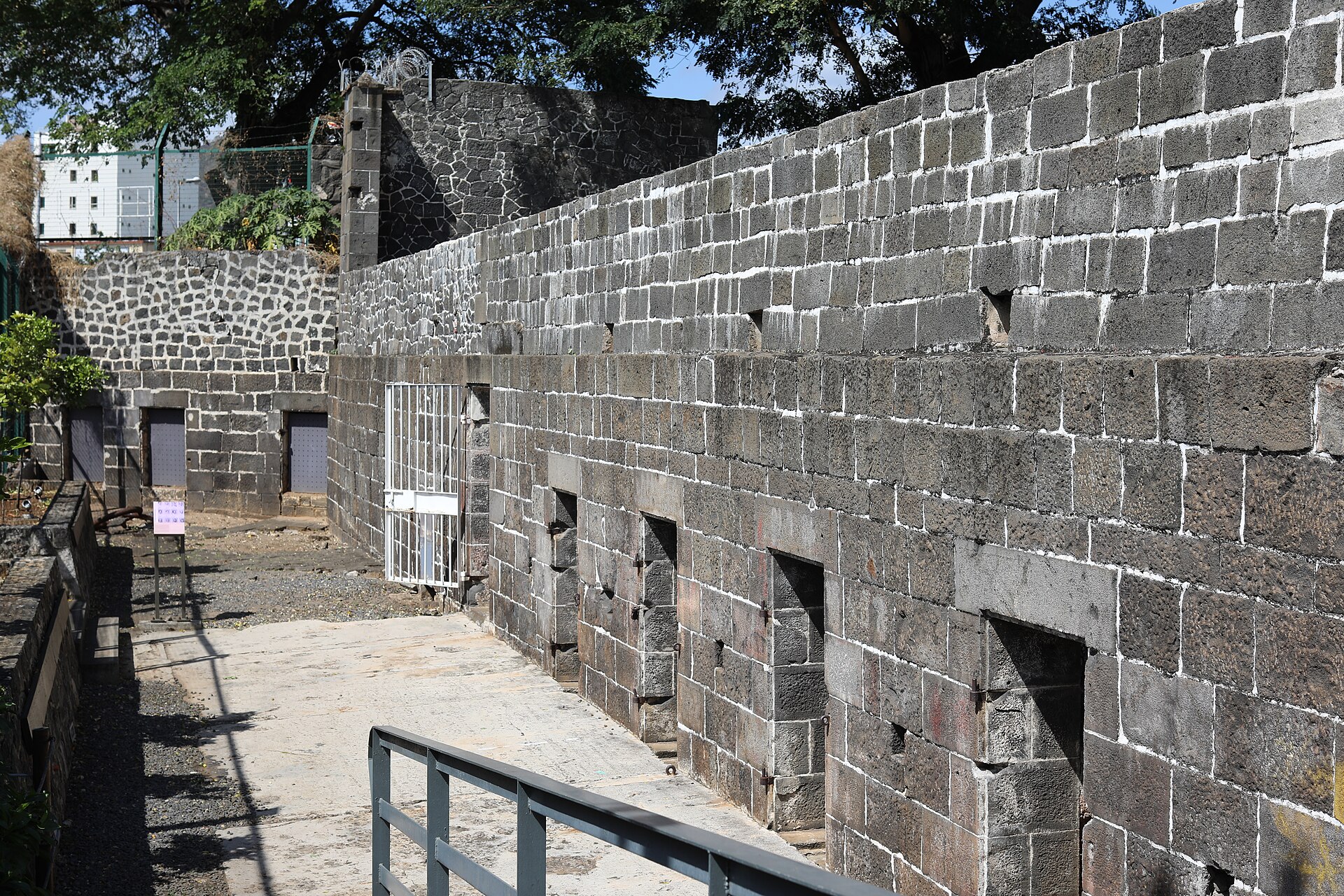
Aapravasi Ghat — After Abolition
Aapravasi Ghat is where the story after abolition begins. From 1849, this immigration depot received indentured labourers from India, East Africa, Madagascar, China and Southeast Asia — the system that replaced slavery with a different form of forced labour. The sugar plantations of Mauritius needed workers. The British Empire found them.
The route ends here because the history does not end with abolition. Understanding what came after — indentured labour, empire, diaspora — is essential to understanding what slavery set in motion. The journey that began at Gorée ends not with a resolution but with a question: what does justice look like, and is it finished?
How the Route Connects
A cross-continental expedition across six countries and two oceans. Inter-regional flights connect the four segments. Local transfers are by road or short charter.
300 km · 45 min flight or 4–5 h road
Banjul (BJL) → Accra (ACC)
2,100 km · approx. 3 h flight
Airlines: Gambia Bird, ASKY, or private charter
150 km · 2.5 h private vehicle
Cape Coast → Kumasi
200 km · 3–4 h private vehicle
Kumasi → Cotonou (COO)
Fly via Accra (ACC → COO, 480 km, 1 h) or road via Lomé (~600 km)
Cotonou → Ouidah 40 km · Cotonou → Abomey 135 km
5,500 km · No direct commercial flights
Best options:
• Ethiopian Airlines via Addis Ababa (COO → ADD → DAR)
• Kenya Airways via Nairobi (ACC → NBO → DAR)
• Private jet: direct, approx. 7 h
Dar → Bagamoyo: 65 km, 1.5 h road
Dar → Zanzibar: 70 km, 20 min charter (Coastal Aviation)
2,800 km · No direct commercial flights
Best options:
• Via Dar es Salaam (ZNZ → DAR → MRU)
• Via Nairobi (ZNZ → NBO → MRU, Kenya Airways)
• Private jet: direct, approx. 4.5 h
On Mauritius: Le Morne (SW coast) and Port Louis / Aapravasi Ghat (NW coast) — 45 min drive between them
Dakar → Banjul → Accra → Cotonou → Dar es Salaam → Zanzibar → Mauritius
Operated as a single private jet itinerary.
Aircraft: Mid-size jet (Citation Latitude, Challenger 350) for small groups; large cabin (Global 6000, Airbus ACJ) for 30+ guests
Total air distance: approx. 11,000 km across 7 flight segments
All flight routings, airlines, timings and aircraft configurations are indicative and subject to availability, operational approval and final route validation.
Eight UNESCO World Heritage Sites
Island of Gorée
One of the most powerful symbolic departure points of the transatlantic slave trade. The Maison des Esclaves and the Door of No Return.
Kunta Kinteh Island
The Gambia River as a corridor of forced movement. Named after the ancestor from Alex Haley’s Roots.
Forts and Castles, Ghana
Cape Coast Castle and Elmina. The architecture of extraction. Underground dungeons and the Door of No Return facing the Atlantic.
Asante Traditional Buildings
Last material witnesses of the Asante civilisation. Power, statecraft, trade and entanglement — the inland African perspective.
Royal Palaces of Abomey
The Kingdom of Dahomey. A West African power whose wealth was built on the slave trade. Ouidah’s Door of No Return and Door of Return.
Stone Town of Zanzibar
One of the major centres of the Indian Ocean slave trade. The cathedral on the slave market site. Where the Slave Trade Route meets the Ivory Route.
Le Morne Cultural Landscape
Refuge of escaped enslaved people. The mountain of resistance. Where the route shifts from loss to defiance.
Aapravasi Ghat
The immigration depot that received indentured labourers after abolition. The system that replaced slavery. The question that remains.
References to UNESCO World Heritage Sites are factual references to sites inscribed on the UNESCO World Heritage List. Southern Cross Experiences is an independent travel company and does not imply UNESCO endorsement of this journey.
Discuss This Journey
This route is available for private groups, diaspora heritage travel, academic study tours, and selected travel partners. For members of the African diaspora, this journey is not tourism — it is a return. We design it with that understanding.
Begin Planning the African Slave Trade Route