
The African Slave & Ivory Trade Route
The African Slave Trade Route and the African Ivory Route combined into a single cross-continental expedition. From Gorée to Zanzibar. From Cape Town to Mapungubwe. Twelve or more UNESCO World Heritage Sites across ten countries. Thirty-five to forty days by private aviation.
The Expedition That No One Has Built Before
Two trade systems defined Africa’s connection to the world for a thousand years. The ivory and gold trade moved commodities from the interior kingdoms of southern Africa to the Indian Ocean ports of Zanzibar and Kilwa — and onward to China, India and Arabia. The slave trade moved people from both coasts of the continent — Atlantic and Indian Ocean — through a network of forts, kingdoms, markets and ports that stretched from Gorée to Mauritius.
The two systems shared the same corridors. The enslaved often carried the ivory. Zanzibar was the crossroads where both trades met. And the UNESCO World Heritage Sites that anchor both routes document the same underlying pattern: African resources extracted, moved along ancient corridors, and converted into the architecture, wealth and power structures we now visit as heritage.
This expedition combines both routes into a single journey — the most comprehensive heritage expedition across the African continent that we are aware of. It is designed for private groups, institutional travel partners, specialist travel companies and individuals who want to experience the full scope of Africa’s trade heritage in one continuous journey.
Two Routes, Connected at Zanzibar
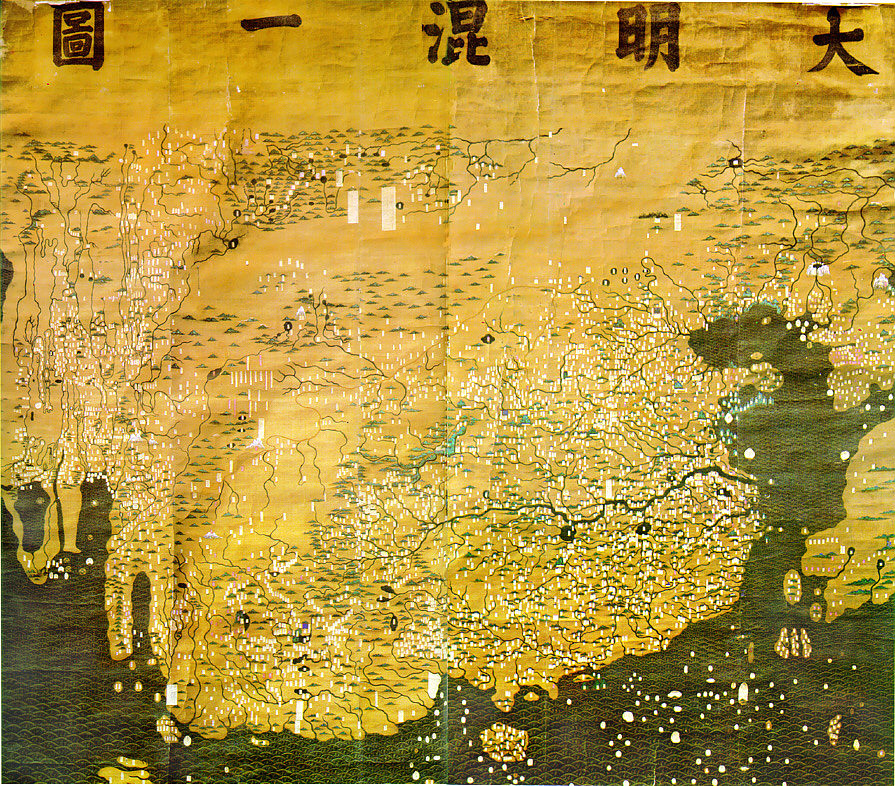
The Da Ming Hun Yi Tu (1389) — a Chinese map of Africa painted on silk a century before the Portuguese reached the Cape. Replica in the South African Parliament since 2002.
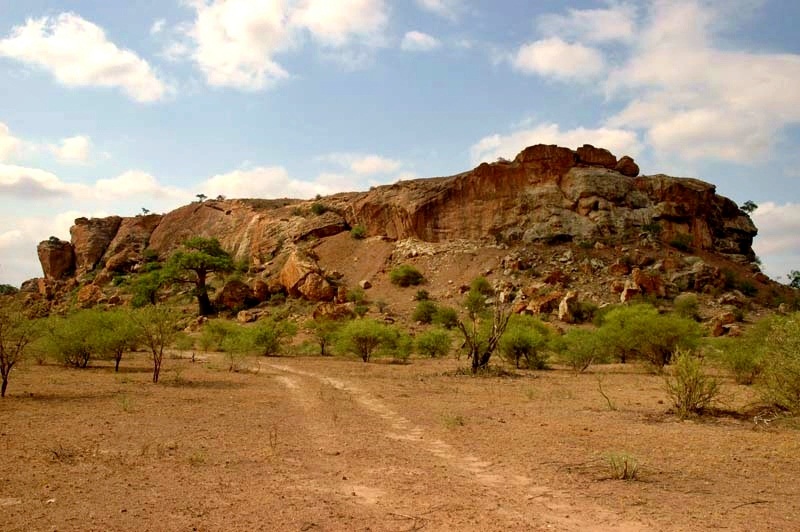
First complex state in southern Africa (c. 1075–1220). Gold-foil rhinoceros. The earliest source of the ivory and gold trade. UNESCO WHS 2003.
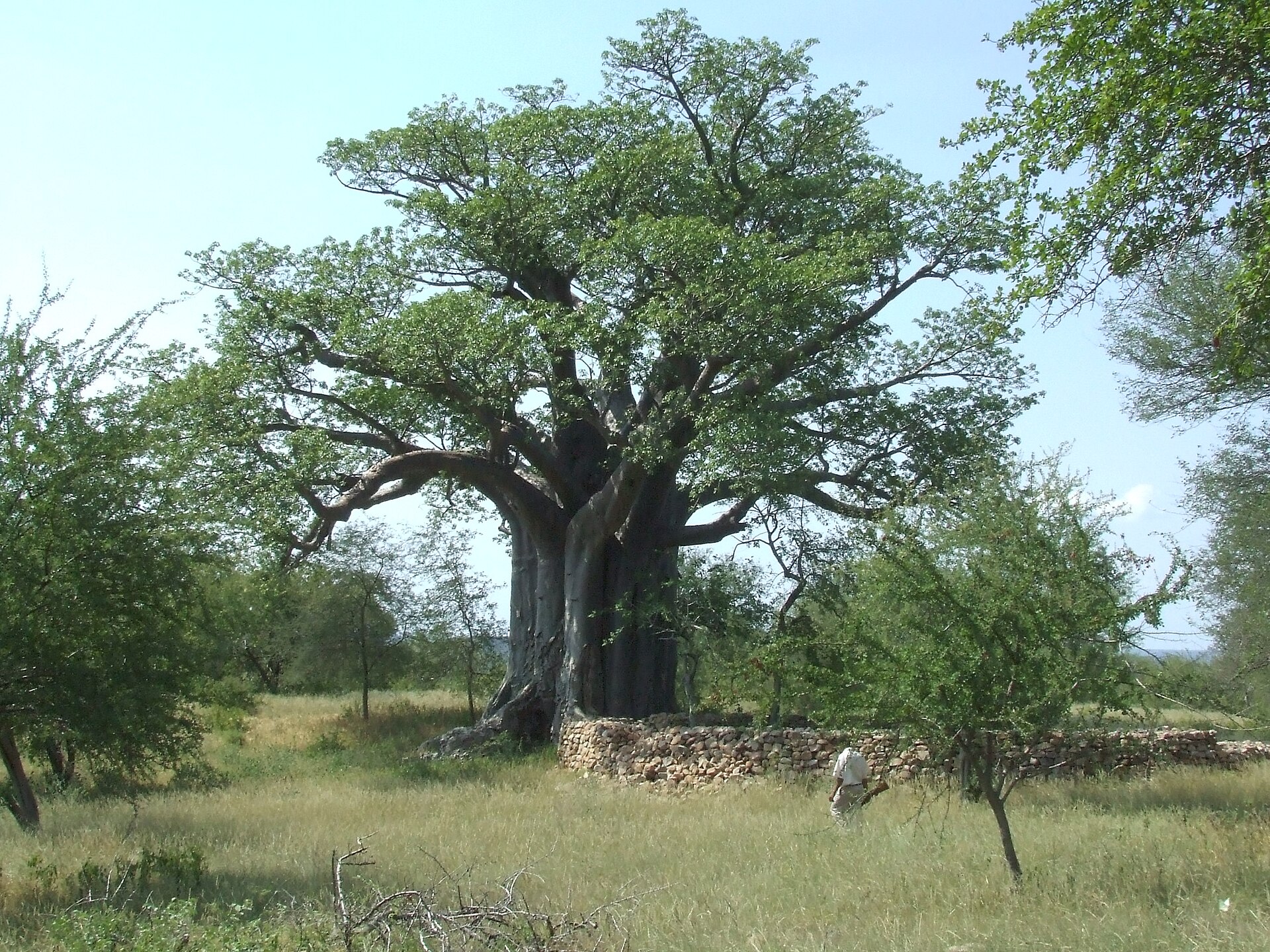
Chinese celadon ceramics and Indian glass beads found at a 15th-century settlement deep in the Kruger bushveld. Big Five game drives.
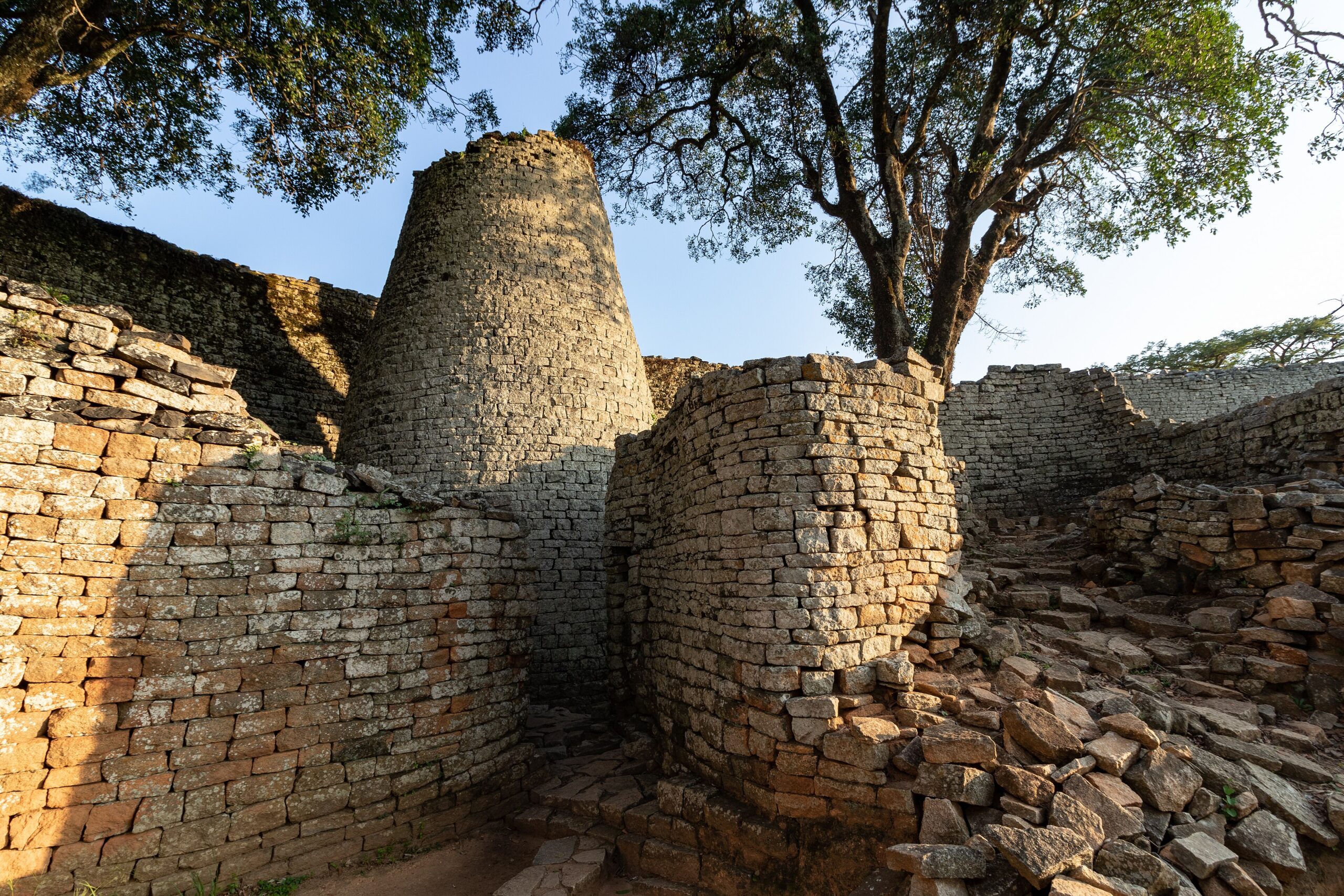
One of the most significant stone-built heritage landscapes in sub-Saharan Africa. Wealth connected to long-distance trade in gold and ivory. UNESCO WHS 1986.
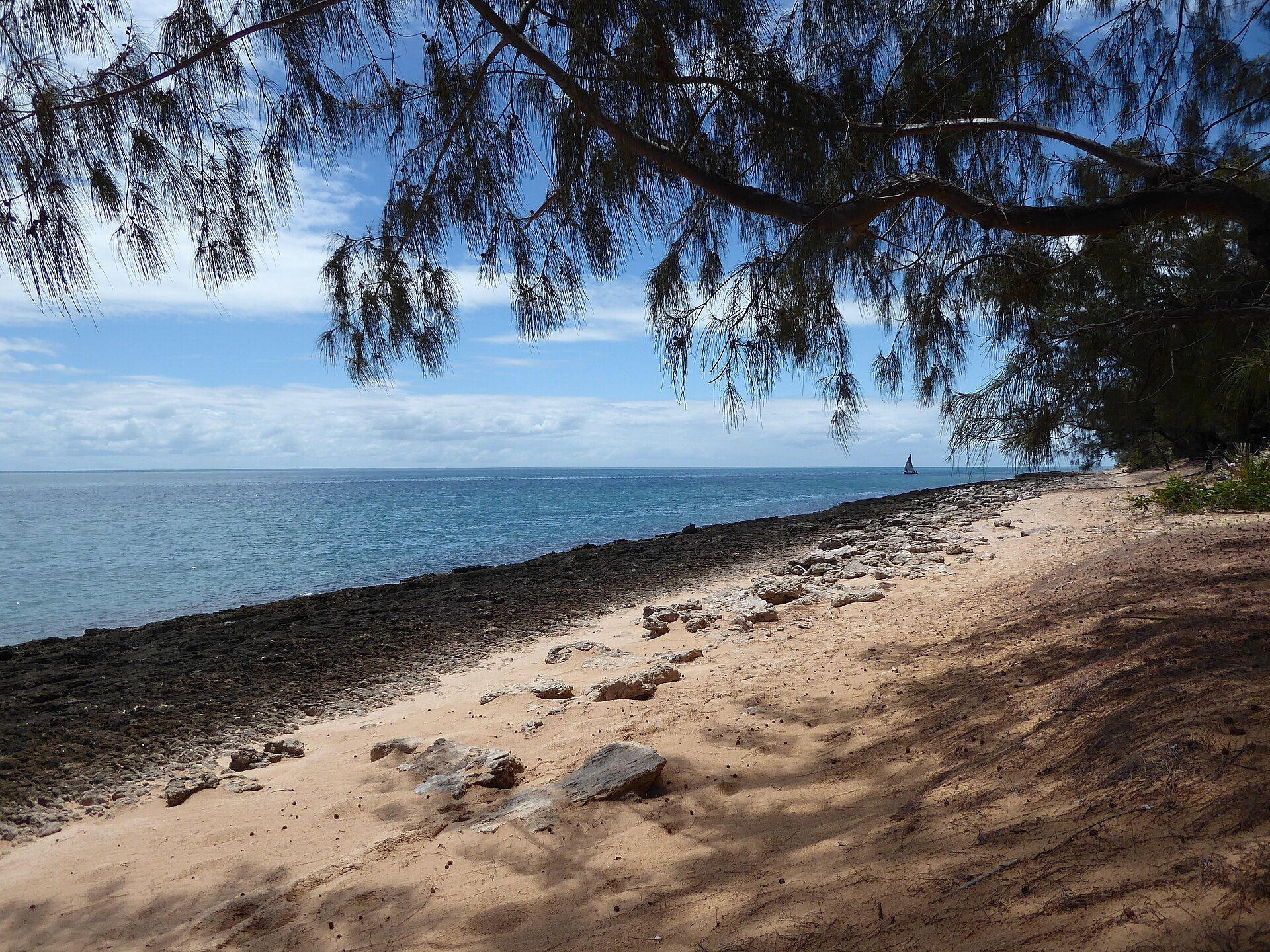
The historical gold and ivory port where goods from the interior were loaded onto dhows. Marine national park — dugongs, whale sharks, coral reefs.
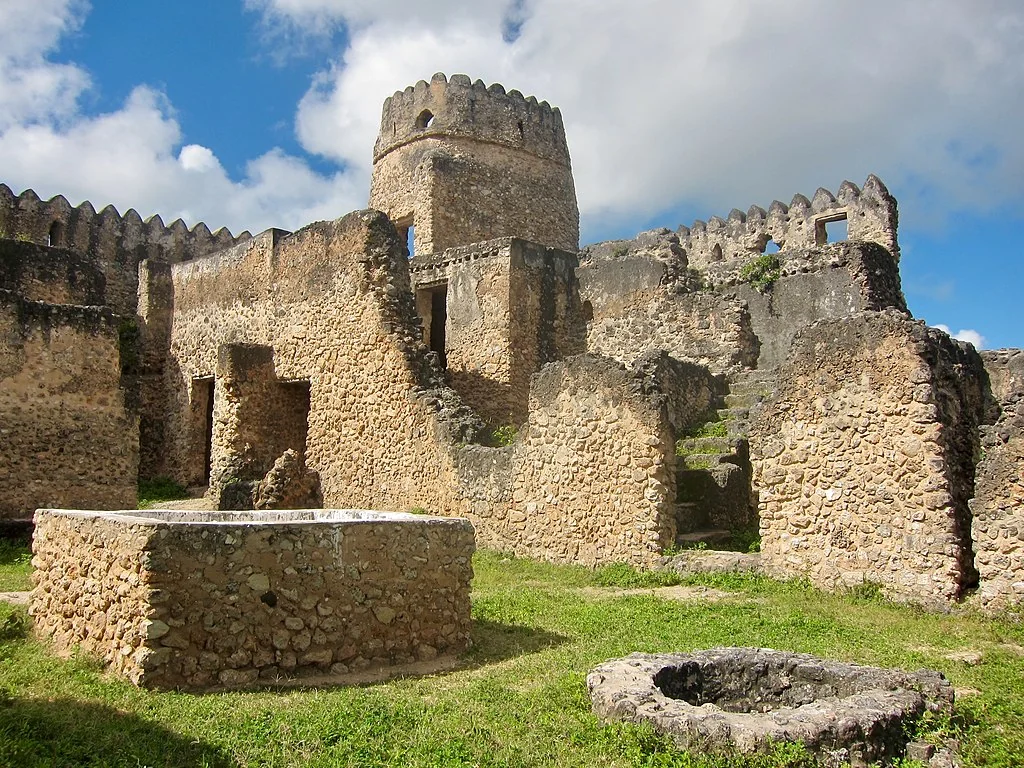
One of the great Swahili ports. Among the wealthiest cities in the fourteenth-century world. Great Mosque, palaces, commercial ruins. UNESCO WHS 1981.
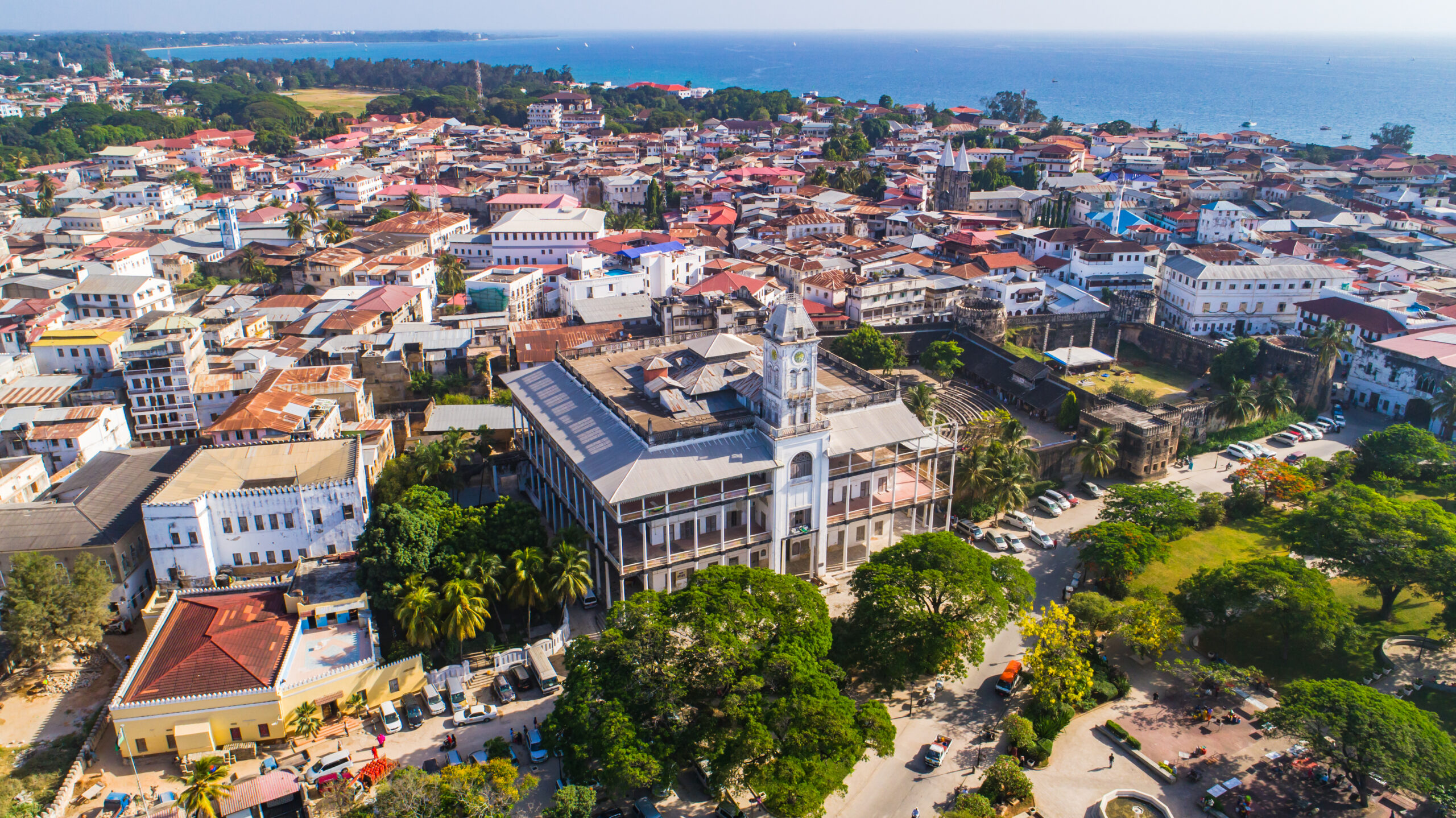
One of the principal ivory and slave-trade centres of the western Indian Ocean. The crossroads where the Ivory Route meets the Slave Trade Route. UNESCO WHS 2000.
One of the major East African slave-trade centres. Anglican Cathedral built on the site of the former slave market. The hinge point of this expedition.
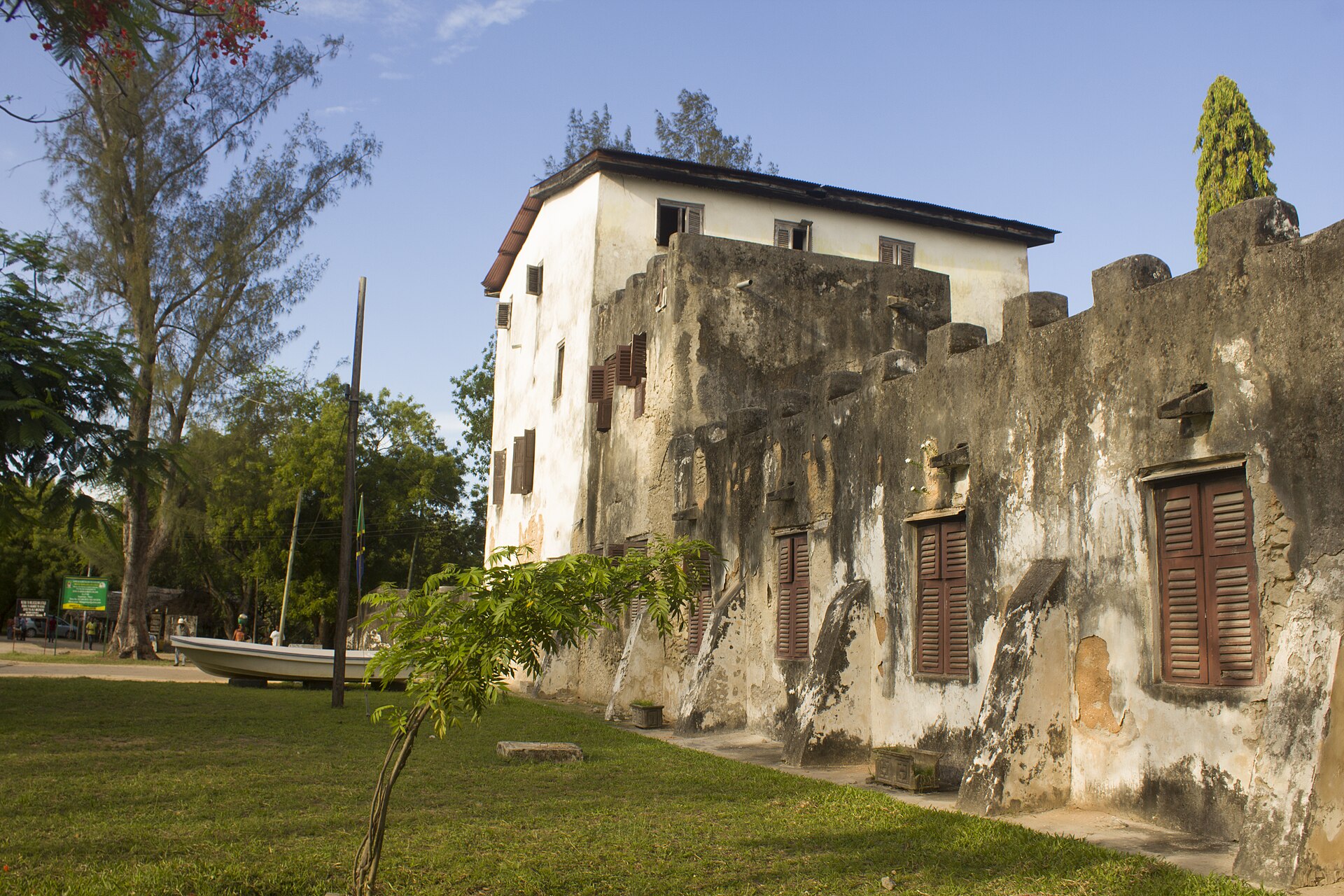
The name means “lay down your heart” in Swahili. The last mainland point before enslaved people were shipped to Zanzibar. Caravan terminus.
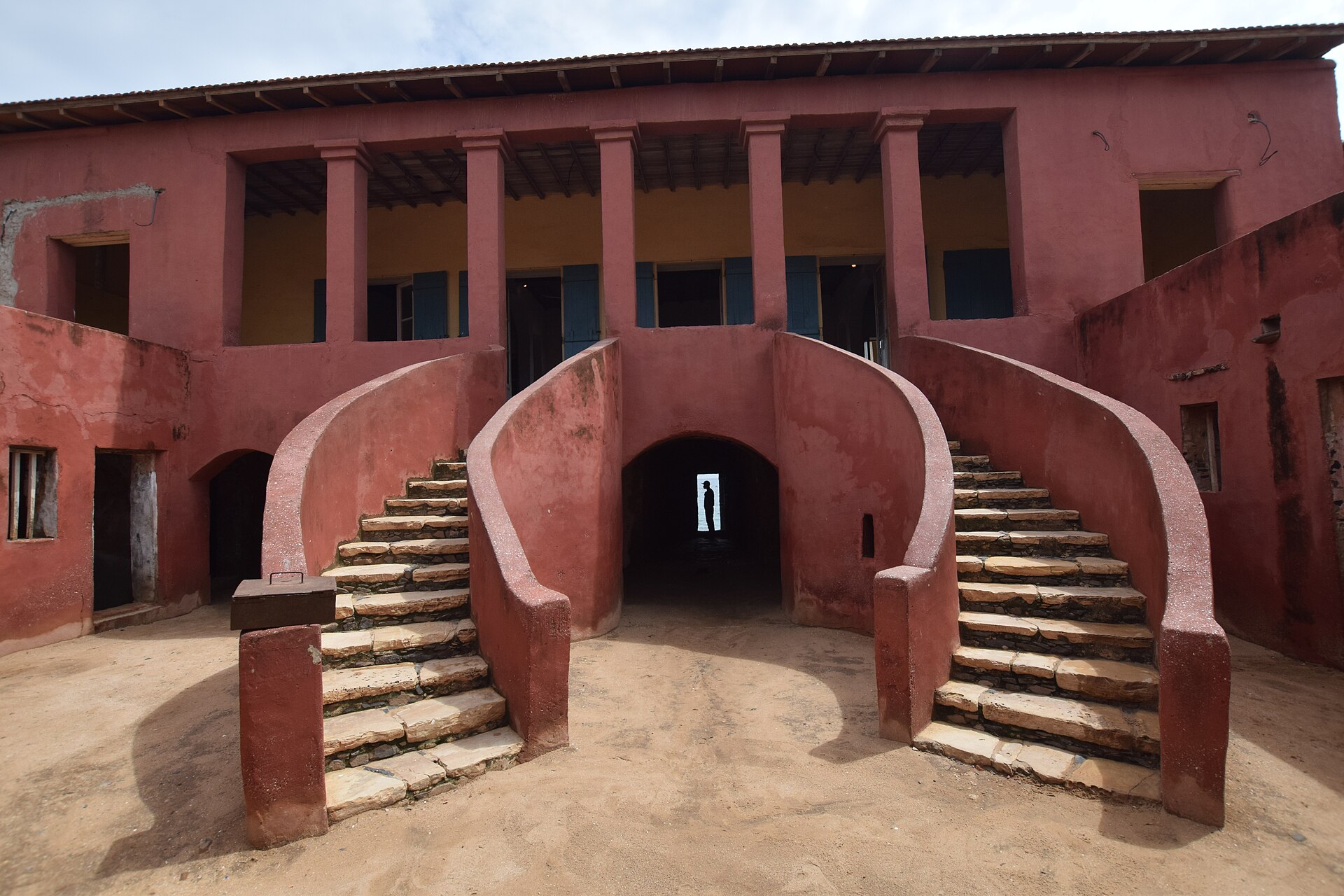
One of the most powerful symbolic departure points of the Atlantic slave trade. Maison des Esclaves. UNESCO WHS 1978.
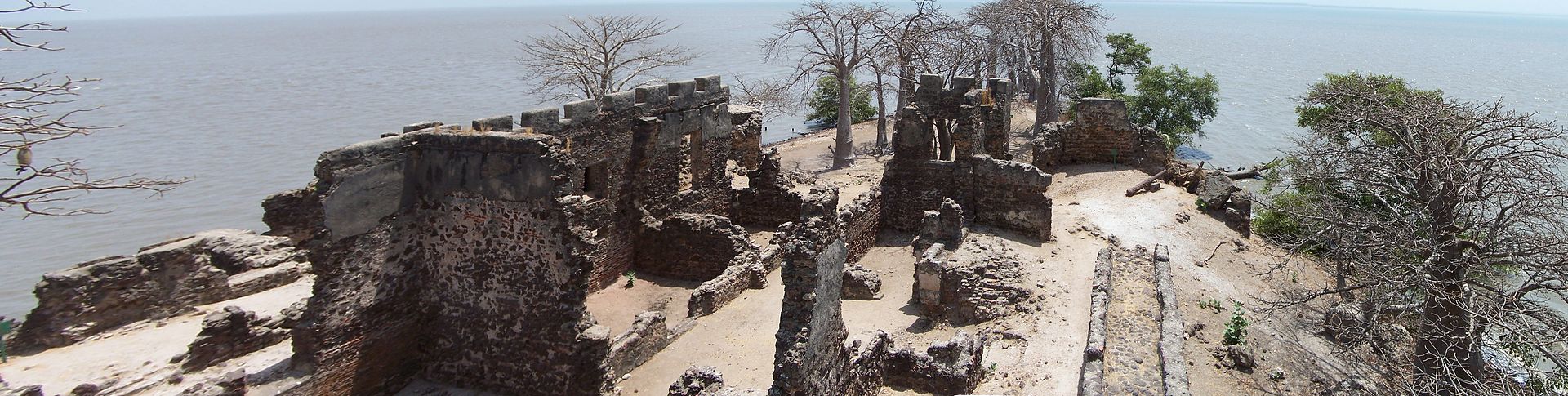
The Gambia River was the corridor into the interior. The island fort controlled who left and what remained. UNESCO WHS 2003.
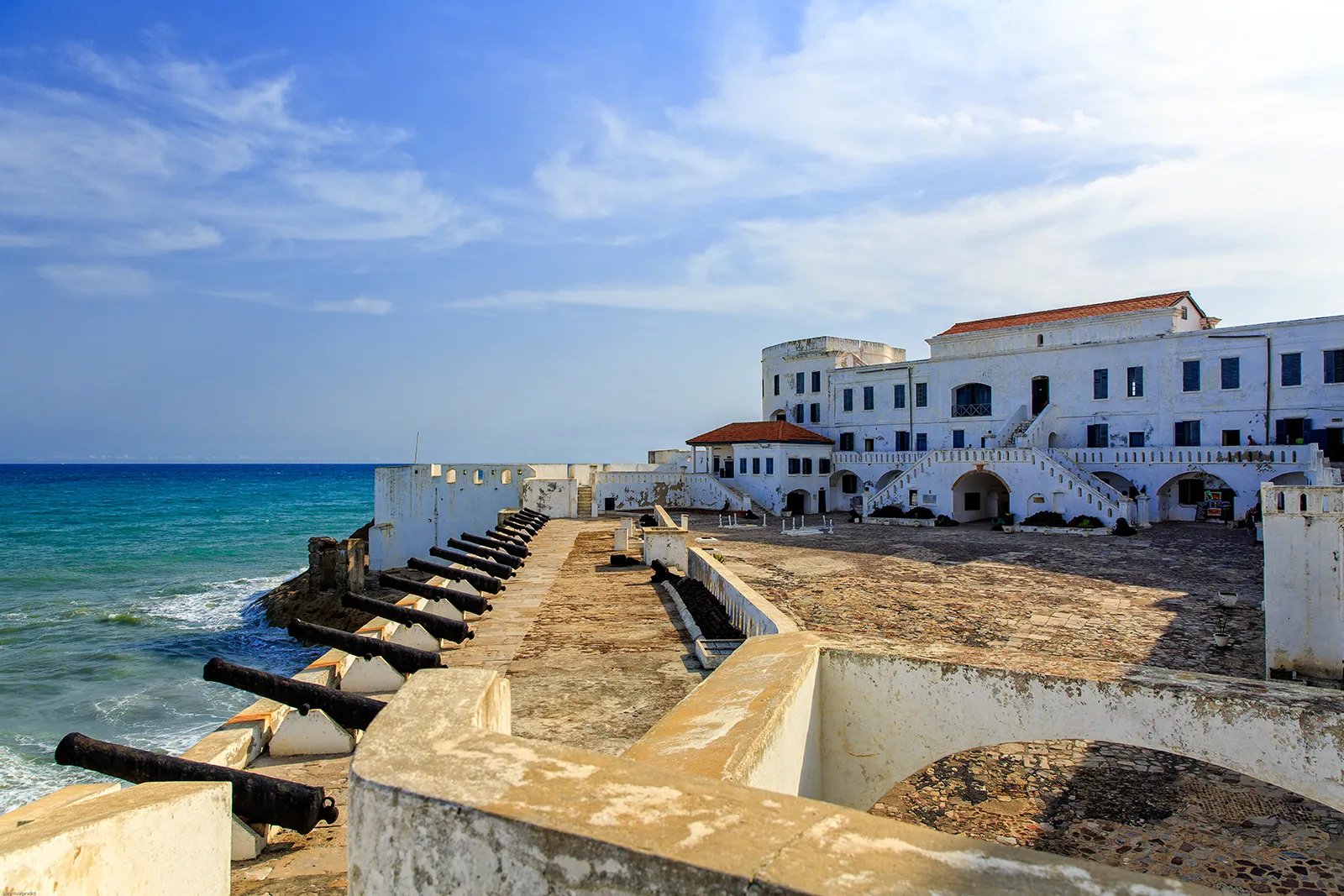
Among the most significant Atlantic slave-trade fortifications. Underground dungeons where enslaved people were held before the Middle Passage. UNESCO WHS 1979.
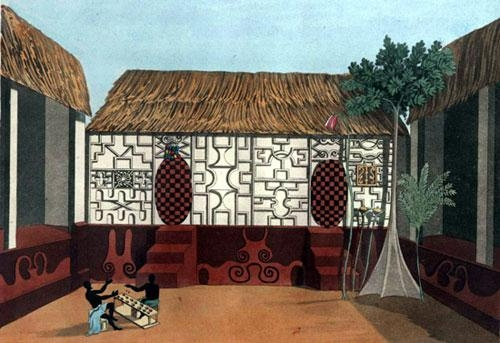
The Asante Empire both participated in and resisted the slave trade. Golden Stool. Traditional architecture. Manhyia Palace. UNESCO WHS 1980.
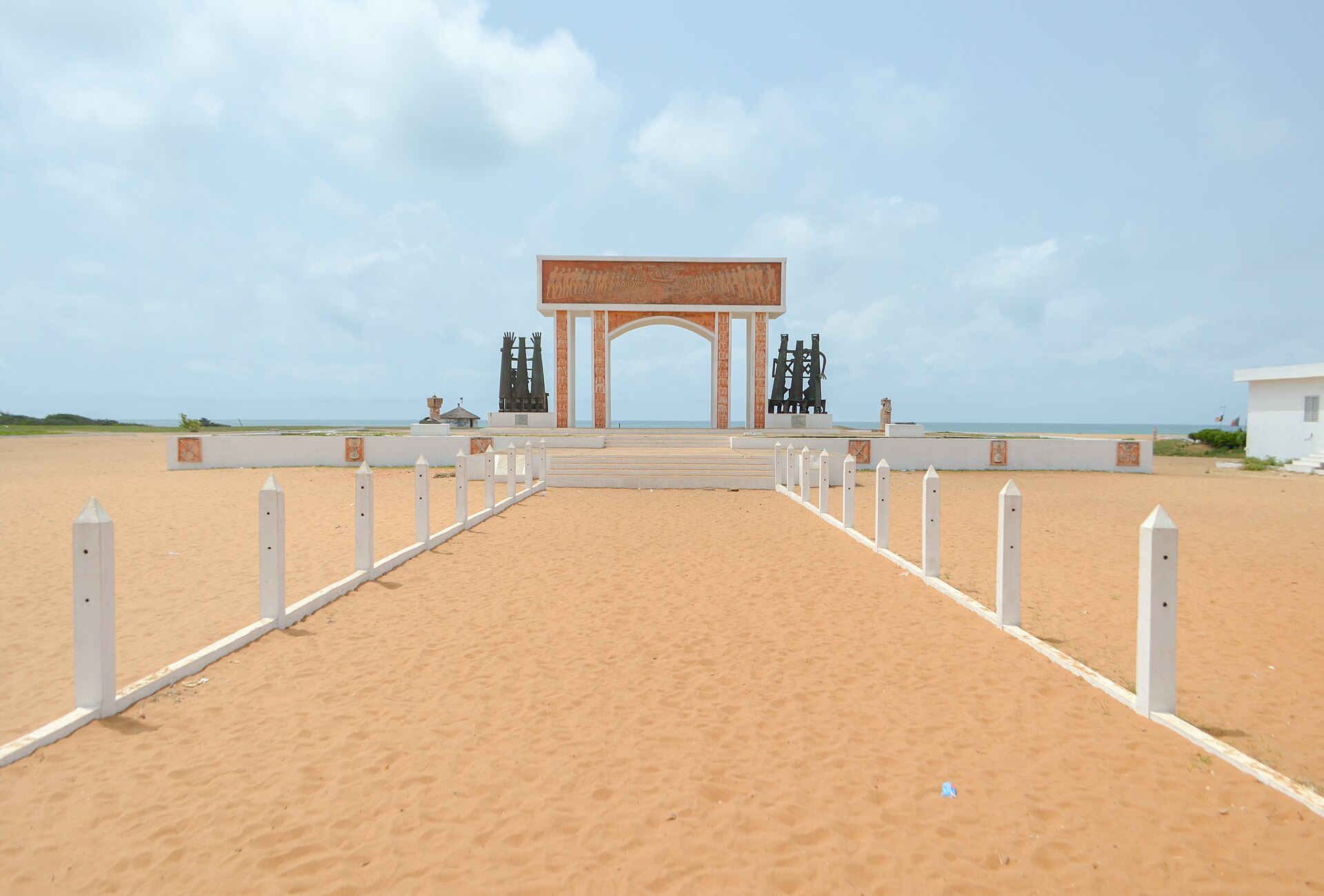
The Kingdom of Dahomey and the Door of No Return on the beach at Ouidah. Royal Palaces of Abomey. UNESCO WHS 1985.
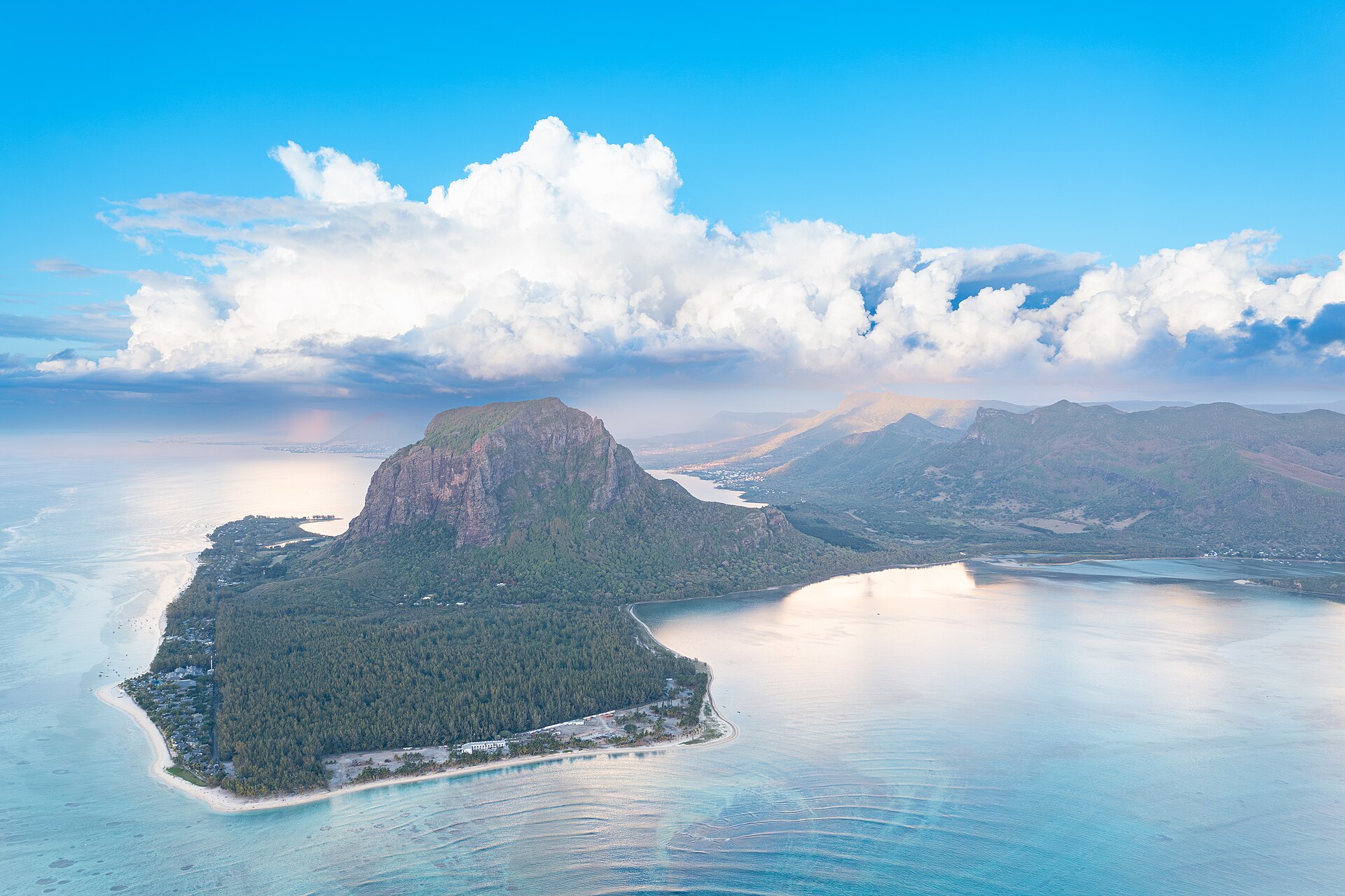
Where escaped enslaved people found refuge on the mountain. A symbol of resistance and the fight for freedom across the Indian Ocean world. UNESCO WHS 2008.
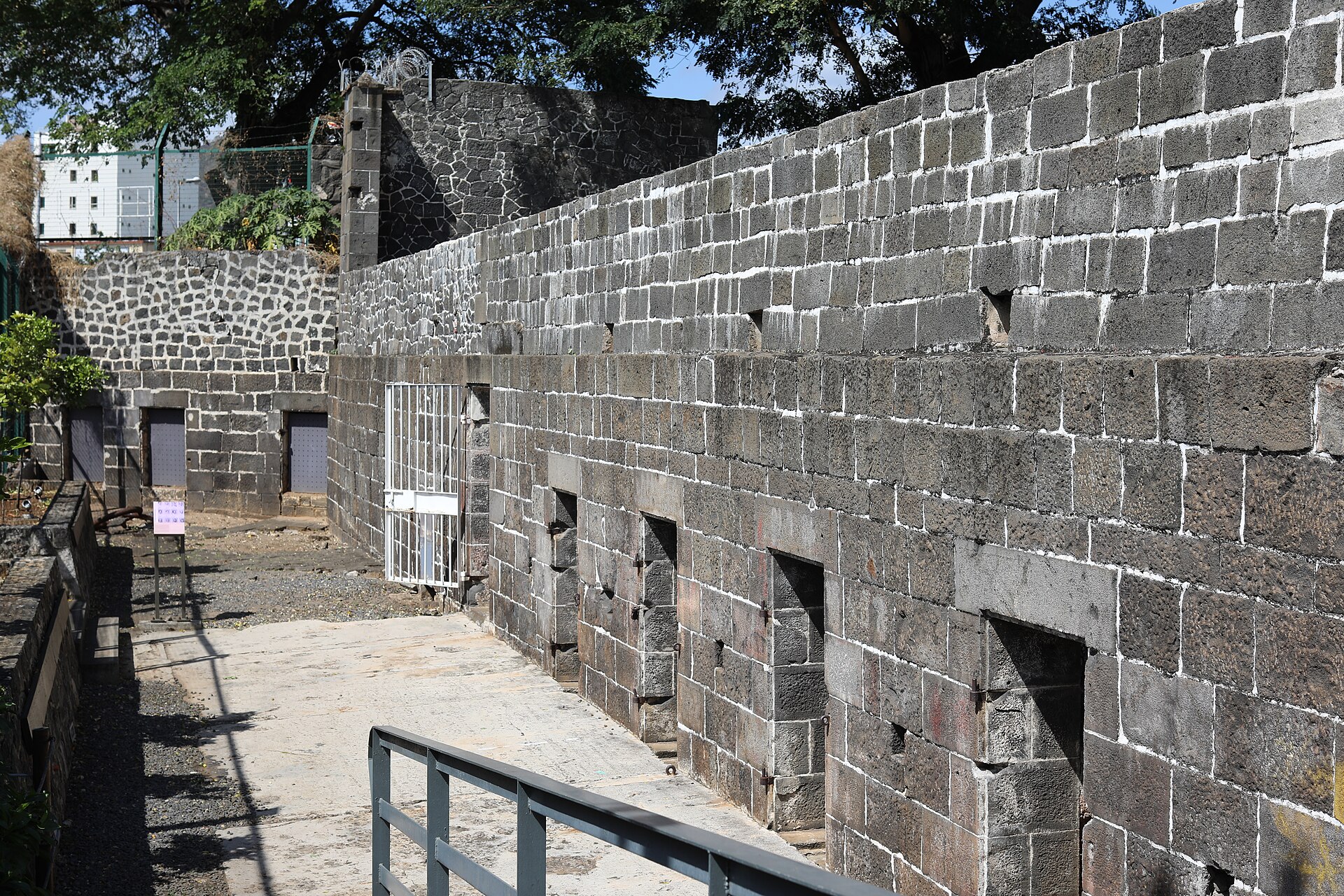
When slavery ended, indentured labour began. Half a million Indian workers arrived here between 1834 and 1920. The system that replaced slavery. UNESCO WHS 2006.
Zanzibar — Where Both Routes Meet
Stone Town of Zanzibar (UNESCO WHS 2000) is the hinge of this expedition. It was one of the principal markets through which both ivory and enslaved people entered the Indian Ocean trade. The same harbour, the same merchants, the same monsoon winds — carrying two different commodities through the same system.
The expedition pauses here between the two routes. The traveller arrives from the Ivory Route — having traced the trade from Mapungubwe through the stone kingdoms to the coast. And departs toward the Slave Trade Route — crossing to West Africa to follow the Atlantic and Indian Ocean slave trade from Gorée to Le Morne.
Zanzibar is the only place on earth where both systems are physically visible in the same city: the ivory warehouses, the slave market memorial, the Sultan’s Palace, the Anglican Cathedral on the site of the former slave market. Two trades. One crossroads.
Private Groups, Institutional Partners & Specialist Travel Companies
This expedition is not a standard safari product. It is a cross-continental heritage journey designed for partners and groups who operate at a scale and depth that most safari companies cannot service. SCE provides the heritage architecture, the ground operations, the expert interpretation and the route narrative. The partner provides the client relationship, the aviation, and the commercial framework.
Families, foundations, academic delegations, diaspora heritage groups, and private individuals who want the complete journey. Custom pacing, private aviation, expert companions.
Specialist travel companies, luxury tour operators, private jet charter firms, and institutional travel programmes who want to offer a heritage expedition of this scope under their own brand.
Heritage Architecture & Ground Operations
Proprietary Ancient Trade Routes IP. Route architecture across all stations. Heritage narrative for each UNESCO WHS. Expert interpretation framework. Field Guide content.
Accommodation sourcing and booking. Ground transfers in all countries. Local guides and heritage specialists. Logistics coordination across 10 countries. Contingency planning.
Flight routing across all segments. Charter coordination with licensed operators. Private jet configuration support. Airport handling and immigration facilitation.
The expedition can be operated under a partner’s brand. SCE provides the operational backbone. The partner owns the client relationship and the commercial terms. Net rates available on request.
Discuss a Partnership or Private Expedition
This expedition is available for private groups, institutional partners, specialist travel companies and diaspora heritage organisations. We welcome enquiries from individuals and organisations who want to explore the African Slave & Ivory Trade Route as a combined expedition.
Request a Private BriefingReferences to UNESCO World Heritage Sites are factual references to sites inscribed on the UNESCO World Heritage List. Southern Cross Experiences is an independent travel company and does not imply UNESCO endorsement of its journeys. All routings, accommodations, and aviation arrangements are indicative and subject to availability, operational approval, and final route validation.