
Twelve days, six stations, one UNESCO World Heritage Site — from the elephant orphanage to the last northern white rhino, from retreating glaciers to the Great Migration, from vanishing ice to vanishing swamps, from land to ocean.
A mountain's ice feeds a park's water. As Kilimanjaro's glaciers retreat, the underground aquifers that create Amboseli's swamps are drying — and with them, the ecosystem on which every elephant family depends. That single connection — between a glacier and a swamp, between climate and survival — is the thread that runs through this entire journey. From orphaned elephants in Nairobi to the last two northern white rhinos on earth, from the Great Migration crossing the Mara River to turtle rescue on the Watamu coast, every station asks the same question: what are we willing to protect, and at what scale? This is the only safari in the portfolio defined entirely by that question.
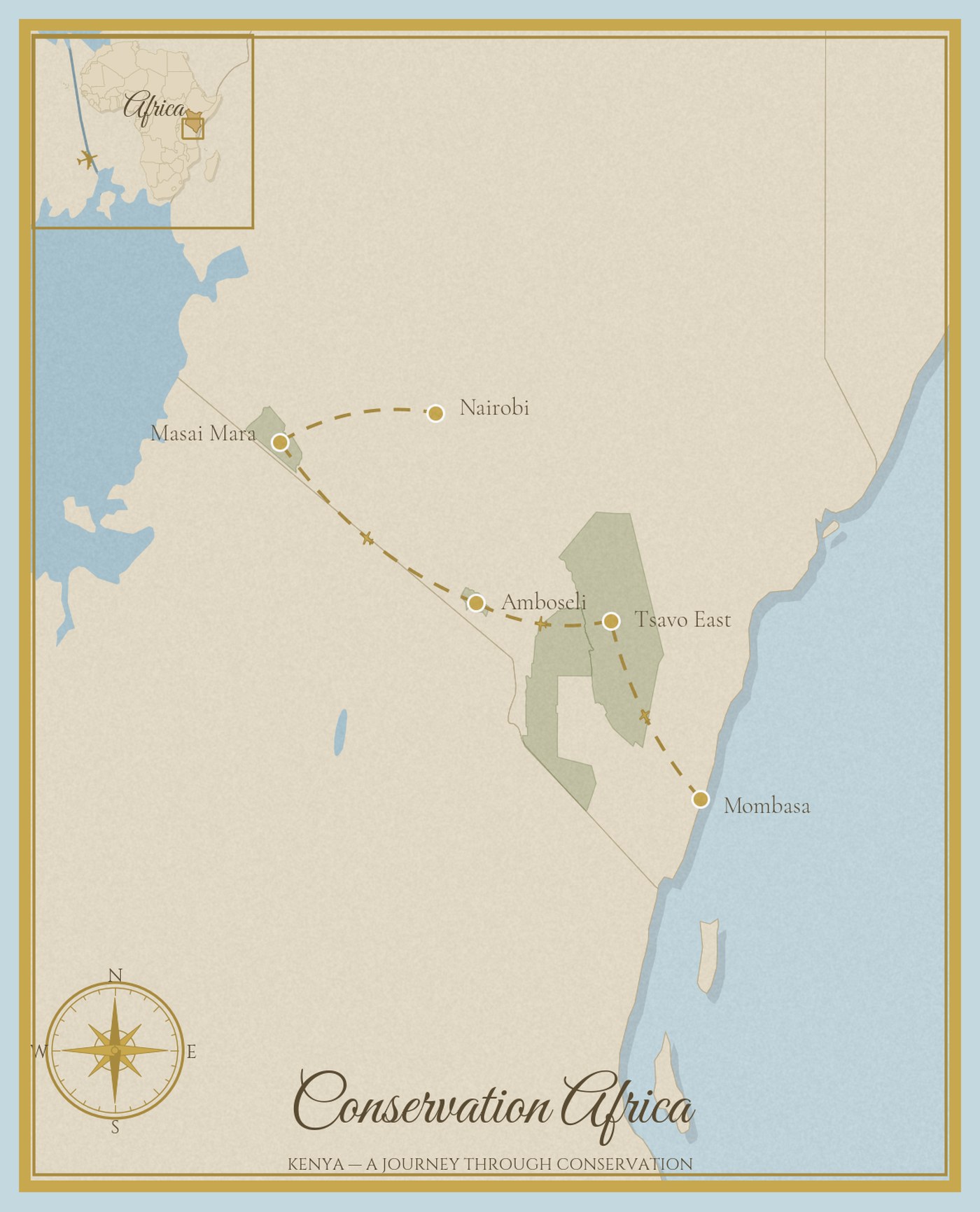
| Days | Station | Nights | Conservation Chapter | |
|---|---|---|---|---|
| 1 | Nairobi, Kenya Sheldrick Trust · Giraffe Centre · Elephant orphanage 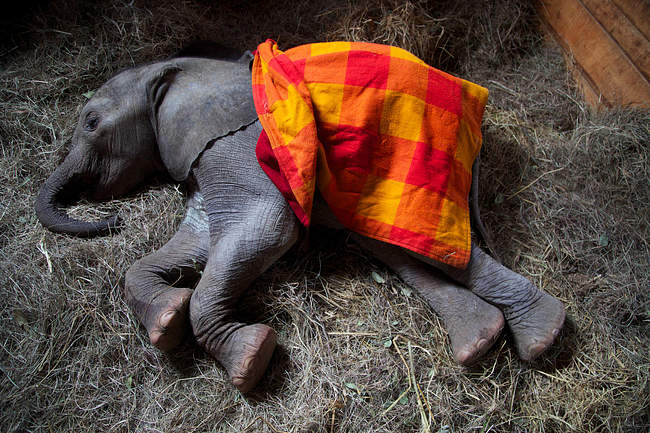 | 1 | Chapter 1: Rescue | ▼ |
The journey begins with the youngest victims. The David Sheldrick Wildlife Trust — Africa's most successful elephant orphan rescue programme. Baby elephants orphaned by poaching, hand-reared by keepers who sleep beside them, eventually released back into Tsavo. The Giraffe Centre protects the endangered Rothschild's giraffe — fewer than 2,500 remain. Two rescue programmes in one city, before the route turns to the wild. Sheldrick TrustElephant OrphanageGiraffe CentreRothschild's Giraffe | ||||
| 2 – 3 | Ol Pejeta & Mount Kenya, Kenya Last northern white rhinos · Wild dog tracking · Retreating glaciers 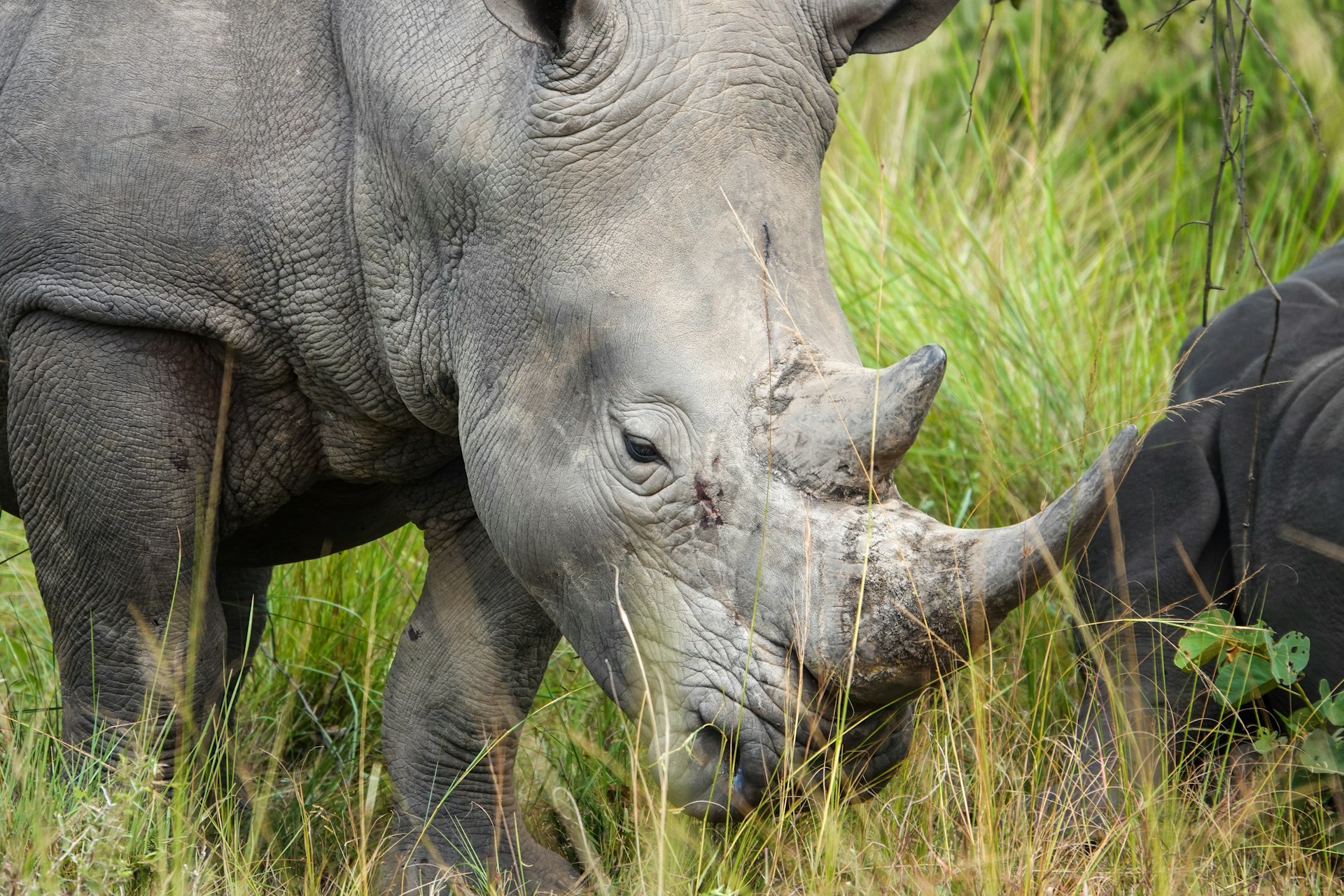 | 2 | Chapter 2: Last Stand Mount Kenya NP (UNESCO) | ▼ |
Two conservation stories at opposite scales — and a third in between. Day 2: Ol Pejeta — Najin and Fatu, the last two northern white rhinoceroses on earth, guarded around the clock by armed rangers. The conservancy also holds East Africa's largest black rhino sanctuary — over 150 critically endangered black rhinos protected within its fences. The Laikipia Plateau is also one of Kenya's strongholds for African wild dog — fewer than 6,600 remaining continent-wide — with tracking possible in the surrounding conservancies. Day 3: Mount Kenya National Park (UNESCO) — equatorial glaciers retreating at accelerating pace, five ecological zones in 3,000 vertical metres. Species extinction at the individual level; climate change at the planetary level. Mount Kenya's vanishing glaciers are the visible warning: three hundred kilometres south, the same process is melting Kilimanjaro's ice — and with it, the water that sustains Amboseli. Northern White Rhino (2 remaining)Black Rhino Sanctuary (150+)Wild Dog Tracking (< 6,600)Mount Kenya UNESCORetreating Glaciers | ||||
| 4 – 5 | Masai Mara, Kenya Mara-Meru Cheetah Project · Light for Life Lion Project · Migration 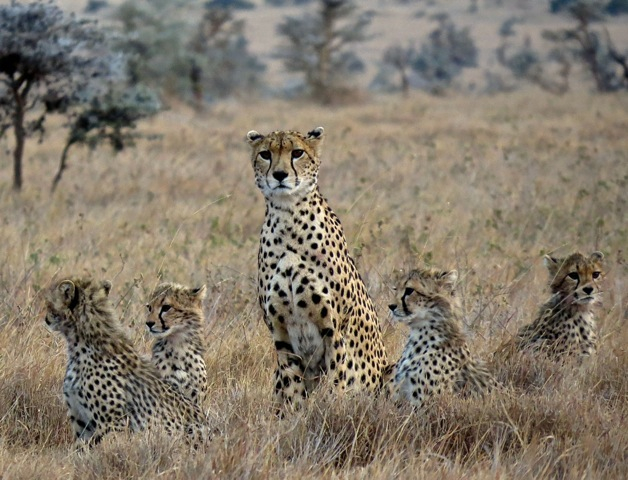 | 2 | Chapter 3: Living Proof | ▼ |
Before the science, before the recovery — the proof. The Masai Mara receives the Great Migration between July and October: 1.5 million wildebeest crossing the river. But this station is about the predators. A full day with experts from the Mara-Meru Cheetah Project and the Light for Life Lion Preservation Project — two field programmes tracking and protecting Africa's most threatened big cats. Cheetah (fewer than 7,000 continent-wide), lion (declined 43% in two decades). The conservancies surrounding the reserve have turned Maasai communities into stakeholders — proving that predators and pastoralists can coexist. Mara-Meru Cheetah ProjectLight for Life Lion ProjectGreat MigrationCheetah (< 7,000)Lion (declining)Maasai Conservancy | ||||
| 6 – 7 | Amboseli, Kenya 50-year elephant research · Kilimanjaro's melting glaciers 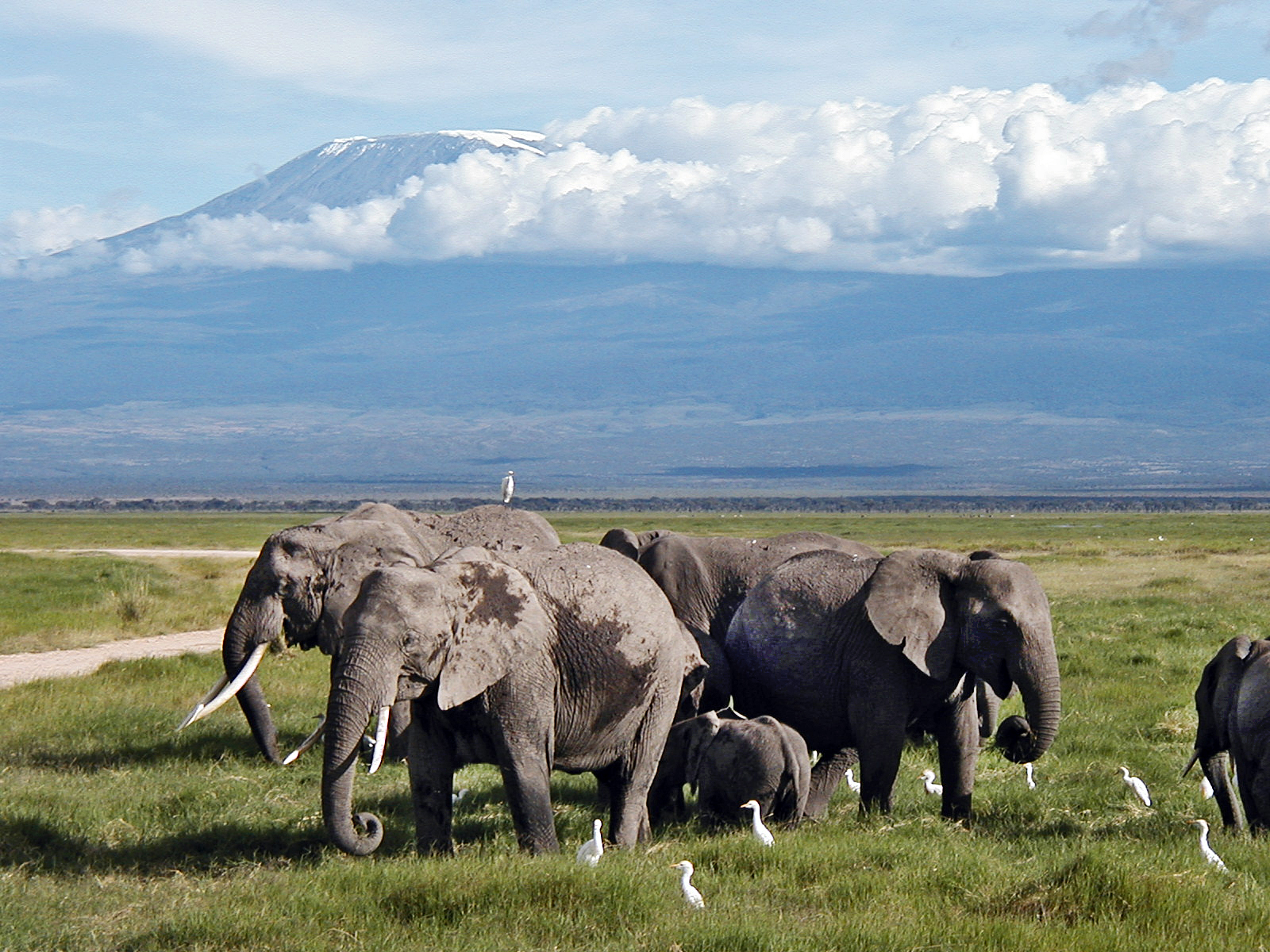 | 2 | Chapter 4: Science & Climate | ▼ |
From proof to understanding. Cynthia Moss began studying Amboseli's elephants in 1972. Fifty years later, every elephant is known by name. The research proved that elephants grieve, remember, and form bonds lasting decades. But Amboseli now faces what Mount Kenya previewed two stations earlier: Kilimanjaro's ice feeds the underground aquifers that create the park's swamps — the water source on which every elephant family depends. As the glaciers disappear, the swamps are shrinking. The iconic mountain backdrop is also the ecosystem's life support. The climate thread from Station 2 arrives here with visible, immediate consequence. Elephant ResearchKilimanjaroMelting GlaciersBig FiveSwamp Safari | ||||
| 8 – 9 | Tsavo, Kenya Red elephants · Hirola (world's rarest antelope) · Recovery 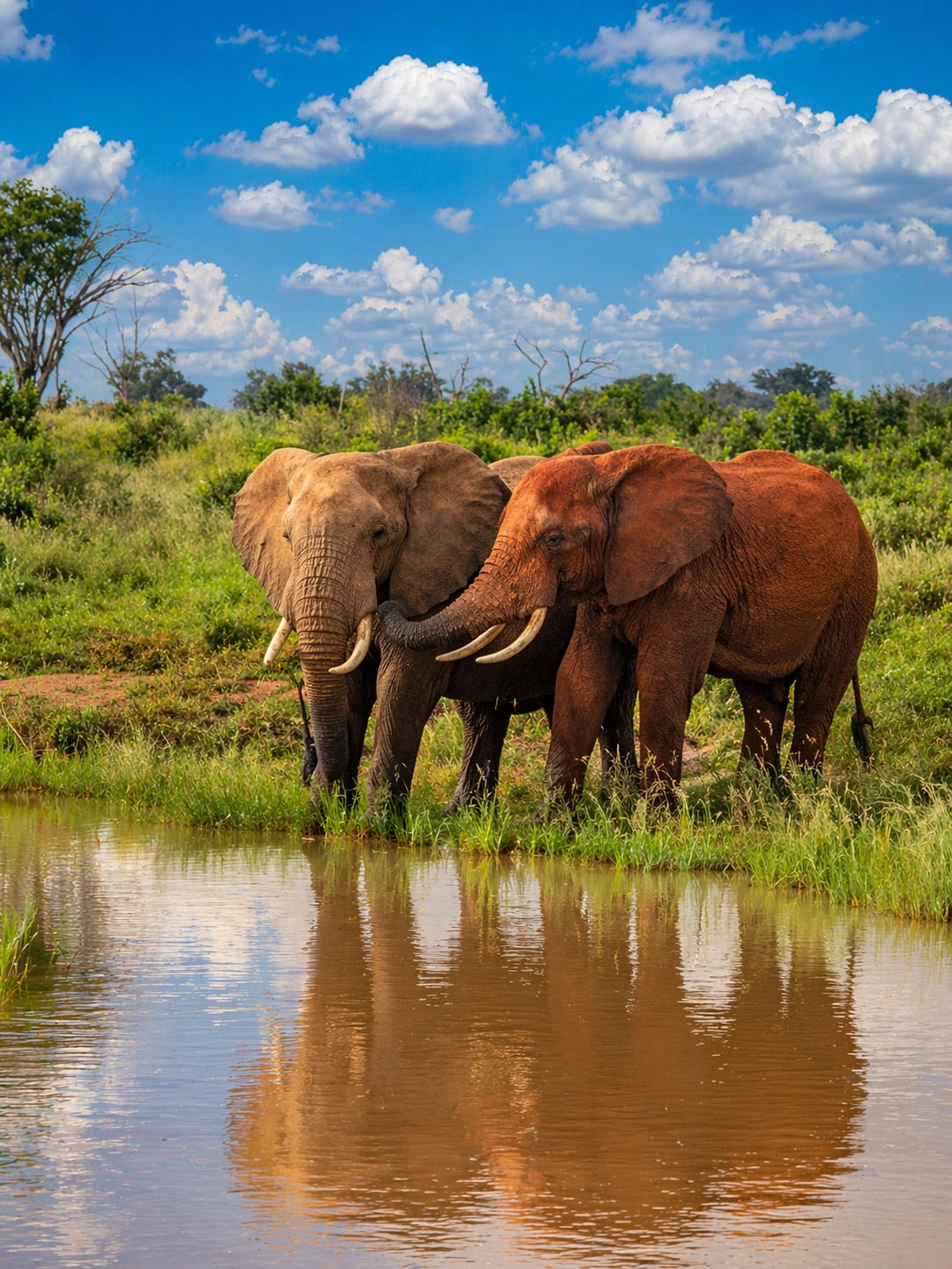 | 2 | Chapter 5: Recovery | ▼ |
The Sheldrick orphans from Day 1 come here to be released — and here, the scale of recovery becomes visible. Tsavo's 35,000 elephants were reduced to 6,000 by poaching in the 1970s and 1980s. The recovery — anti-poaching units, community engagement, international ivory bans — brought them back. Tsavo East also holds the last viable population of the hirola — the world's rarest antelope, fewer than 500 remaining, found nowhere else on earth. The elephants are red, dusted with the laterite of the Yatta Plateau. The circle from rescue to release closes here. Red ElephantsHirola (< 500)Big FiveAnti-PoachingNight DriveMan-Eaters History | ||||
| 10 – 11 | Watamu Coast, Kenya Hawksbill turtle rescue · Coral restoration · Whale sharks 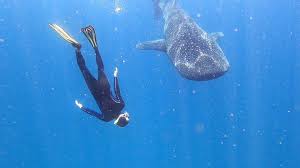 | 2 | Chapter 6: Ocean | ▼ |
Conservation does not end at the shoreline. The Local Ocean Trust has rescued over 20,000 sea turtles caught as bycatch since 1997 — including the critically endangered hawksbill, one of the most threatened marine species on earth. Coral gardens are being regrown after bleaching — the marine echo of the glacier story on land. Watamu Marine National Park protects one of Kenya's most important coral systems. Whale sharks — the world's largest fish, classified as endangered — visit seasonally. The journey ends where land meets ocean: conservation is not a terrestrial idea but a planetary one. Turtle RescueHawksbill (critically endangered)Coral RestorationWhale Shark (endangered)Marine ParkSnorkelling | ||||
| 12 | Departure — Mombasa or Nairobi | — | — | |
Click on a station to discover more
11 nights · 12 days — Six conservation projects across land and sea · One UNESCO World Heritage Site
The journey begins with the youngest victims. Morning: the David Sheldrick Wildlife Trust — baby elephants orphaned by poaching, hand-reared by keepers who sleep beside them, eventually released back into Tsavo (Station 5 on this route). Afternoon: the Giraffe Centre — the Rothschild's giraffe breeding programme, one of Africa's most endangered subspecies with fewer than 2,500 remaining. Two rescue stories in one city. Tomorrow, the route turns north — into the landscape where conservation plays out at species level.
Three endangered species, two days, one plateau. Day 2: Ol Pejeta — Najin and Fatu, the last two northern white rhinoceroses on earth, guarded around the clock by armed rangers. The species will end with them unless IVF science succeeds. The conservancy also holds East Africa's largest black rhino sanctuary — over 150 critically endangered individuals. Afternoon: African wild dog tracking in the Laikipia conservancies — fewer than 6,600 remaining continent-wide, and the Laikipia Plateau is one of their last strongholds. Day 3: Mount Kenya National Park (UNESCO) — equatorial glaciers retreating at accelerating pace. Five ecological zones in 3,000 vertical metres. Mount Kenya's retreating glaciers are the visible evidence — and three hundred kilometres south, the same process is melting Kilimanjaro's ice, which feeds the aquifers that sustain Amboseli's swamps. Three endangered species on the ground, one climate crisis overhead.
Before the science, before the recovery — the proof that conservation works, told through the predators it protects. Day 4: a full day in the field with experts from the Mara-Meru Cheetah Project — one of Kenya's leading cheetah monitoring and protection programmes. Fewer than 7,000 cheetah remain continent-wide. Day 5: the Light for Life Lion Preservation Project — tracking collared prides, understanding the conflict between lions and livestock, and the conservancy model that resolves it. Lion populations have declined 43% in two decades. The Maasai conservancies surrounding the reserve prove that predators and pastoralists can coexist — land leases, employment, revenue shares. A clifftop lodge above the Mara Triangle.
From proof to understanding. Cynthia Moss began studying Amboseli's elephants in 1972. Fifty years later, every elephant is known by name. The research proved that elephants grieve, remember, and form bonds lasting decades. But Amboseli now faces what Mount Kenya previewed two stations earlier: Kilimanjaro's ice feeds the underground aquifers that create the park's swamps — the water source on which every elephant family depends. As the glaciers disappear, the swamps are shrinking. The mountain that provides Africa's most iconic safari backdrop is also the ecosystem's life support system. Kilimanjaro rises 5,895 metres behind the marsh — a postcard image that is also a climate warning.
The Sheldrick orphans from Day 1 come here to be released — and here, the full scale of what was nearly lost becomes visible. Tsavo's 35,000 elephants were reduced to 6,000 by the poaching wars of the 1970s and 1980s. The recovery — anti-poaching units, community rangers, international ivory bans — brought them back. The elephants are red, dusted with the laterite of the Yatta Plateau, the world's longest lava flow. Tsavo East also holds the last viable population of the hirola — the world's rarest antelope, fewer than 500 remaining, found nowhere else on earth. A wilderness camp beneath the baobabs. The man-eaters of 1898 add a layer of history no other park carries. The circle from rescue to release closes here.
Conservation does not end at the shoreline. The Local Ocean Trust has rescued over 20,000 sea turtles caught as bycatch since 1997 — including the critically endangered hawksbill, one of the most threatened marine species on earth. Coral garden restoration projects are regrowing reef damaged by bleaching — the marine echo of the glacier story on land. Watamu Marine National Park protects one of Kenya's most important coral systems. Whale sharks — the world's largest fish, classified as endangered — visit seasonally. Mida Creek's mangrove boardwalk connects the marine ecosystem to the terrestrial. A beachfront lodge on the Indian Ocean. The journey ends where the conservation idea extends beyond land, beyond species, beyond borders.
International departure from Mombasa — or charter flight to Nairobi (1 hr 45 min). Connect to the Great Rift Fly-In Safari northbound through the Rift Valley. Beach extension at the coast available on request.
| Transfer | Airstrip → Lodge | Distance | Flight Time |
|---|---|---|---|
| Nairobi Wilson → Ol Pejeta | Nanyuki — 20 min road | ~180 km | 45 min |
| Ol Pejeta → Masai Mara | On-site airstrip — 10 min | ~350 km | 1 hr 20 min |
| Masai Mara → Amboseli | On-site airstrip — 10 min | ~300 km | 1 hr 10 min |
| Amboseli → Tsavo | On-site airstrip — 15 min | ~180 km | 45 min |
| Tsavo → Watamu | Malindi — 20 min road | ~200 km | 50 min |
| Watamu → Nairobi (optional) | — | ~480 km | 1 hr 45 min |
| Watamu → Mombasa (alternative) | — | ~120 km | Road — 2 hrs |
Clockwise oval route — no backtracking. Maximum flight leg: 350 km (1 hr 20 min).
All flights operate as domestic Kenya charters — zero cross-border flights. Cessna Grand Caravan or equivalent light aircraft via Safarilink or private charter. All airstrips are established safari strips with daily service. The route follows a clockwise oval through Kenya — north, west, south, east, coast — with no leg exceeding 90 minutes.
A mountain's ice feeds a park's water. A species reduced to two individuals is guarded around the clock while another, reduced to six thousand, has returned to thirty-five thousand. A park's swamps are drying because a glacier is melting. A coral reef is being regrown after bleaching.
These are not separate stories. They are the same story, seen from different altitudes — from the equatorial ice of Mount Kenya to the coral gardens of Watamu. This journey follows that story through six chapters, and it ends not with an answer but with a question that every traveller carries home: what are we willing to protect?
Founder & Director, Southern Cross Experiences (Pty) Ltd.
Chairperson, African Sustainable Tourism Organization
Twelve days across Kenya — six conservation chapters, from elephant rescue to marine restoration. The only safari defined entirely by the fight to protect what remains.
Plan Your Safari