
Ghana — Roots & Kingdom
The forts and castles of the Gold Coast, later central to the transatlantic slave trade. The Asante Kingdom, whose resistance to British imperial expansion shaped Ghana’s nineteenth-century history. The rainforests and savannahs that hold West Africa’s wildlife. A fly-in heritage expedition through Ghana — where roots, kingdom and wilderness meet.
Accra · Cape Coast · Kakum · Kumasi · Mole · Accra
Roots, Kingdom, Wilderness
Roots. Ghana’s coastal slave forts — Cape Coast Castle and Elmina — are among the most significant sites of the transatlantic slave trade. Inscribed as UNESCO World Heritage Sites, they are places of remembrance, education and reckoning. For many travellers from the African diaspora, standing in the “Door of No Return” is one of the most powerful experiences of their lives.
Kingdom. The Asante Kingdom — centred on Kumasi — was one of the most powerful pre-colonial states in West Africa. Its gold wealth, military organisation, judicial systems and cultural institutions made it one of the most sophisticated political powers in pre-colonial West Africa. The Ashanti story is one of African agency, resistance and political sophistication.
Wilderness. Ghana is not typically associated with safari. But Mole National Park in the north holds elephant, buffalo, roan antelope, kob and over 300 bird species. Kakum National Park has one of West Africa’s best-known canopy walkways. This is not a classic Big Five safari. It is a cultural heritage journey with a distinctive West African wildlife chapter — quieter, less crowded, and embedded in a cultural landscape.
Accra to Mole and Back
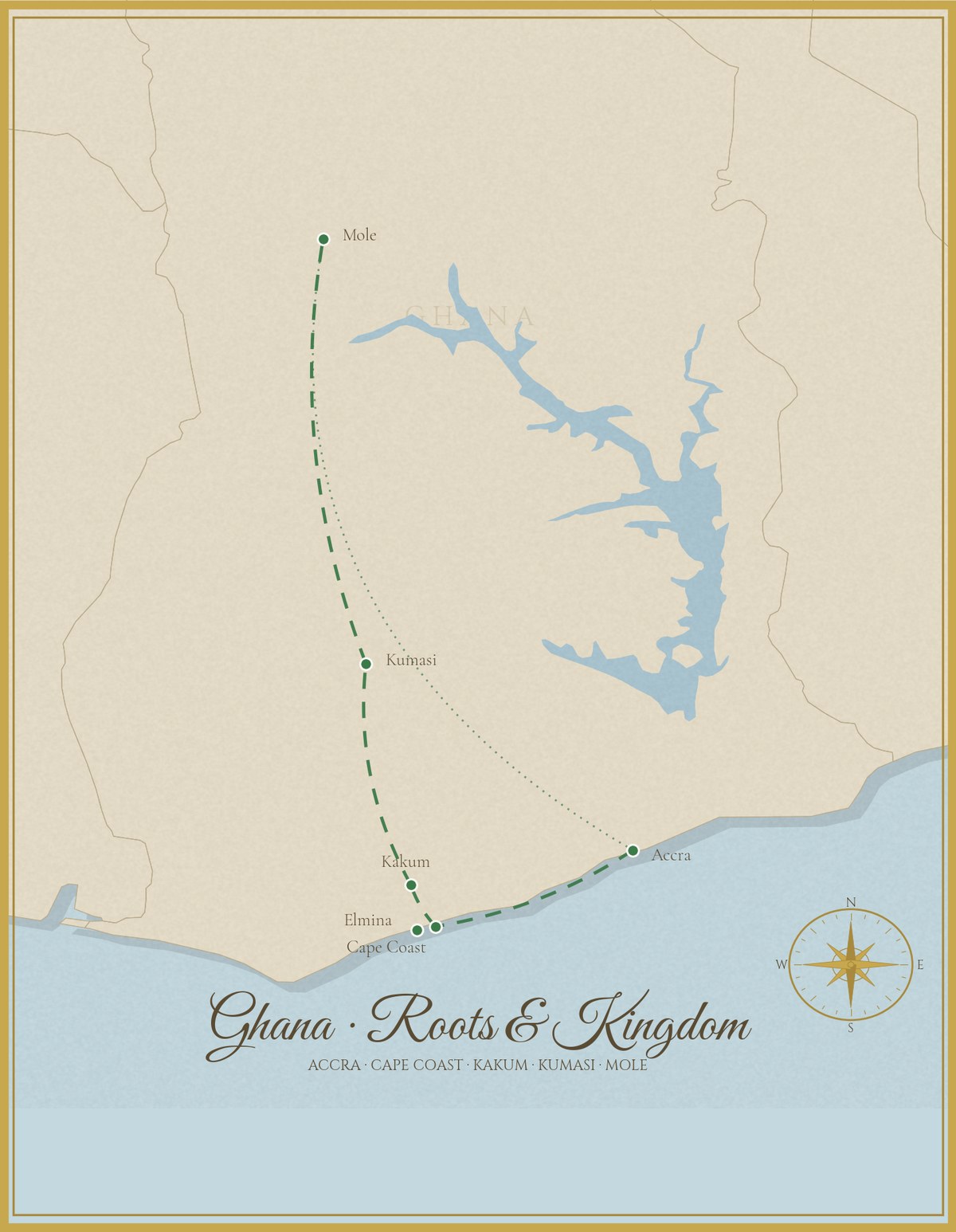
Indicative route framework. Stations, pacing and internal flights are arranged during private route design and subject to operational feasibility.
Six Stations, One Continuous Thread
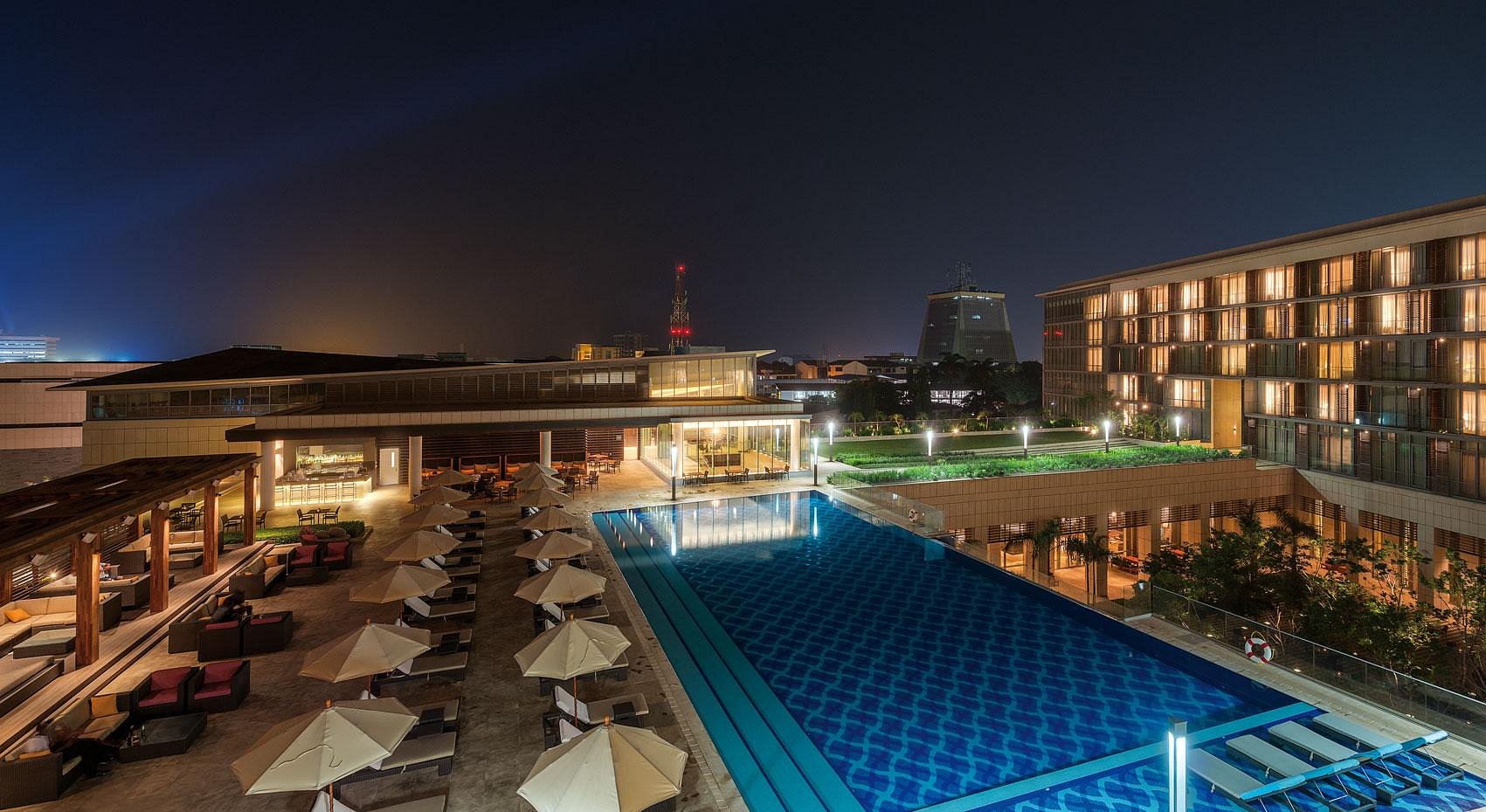
Accra — The Gateway
Arrive in Accra — a dynamic West African capital shaped by independence politics, Pan-African thought and contemporary culture. Jamestown harbour, the Kwame Nkrumah Memorial, the vibrant art scene of Osu. The W.E.B. Du Bois Centre — where the African-American intellectual who helped shape Pan-Africanism spent his final years.
Accra is not a transit stop. It is the city where Ghana’s independence story began in 1957 — the first sub-Saharan African nation to free itself from colonial rule.

Cape Coast & Elmina — The Forts
The Forts and Castles of Ghana, inscribed by UNESCO in 1979, include Cape Coast Castle and Elmina Castle — the oldest European structure in sub-Saharan Africa. These fortified trading posts were central to the gold trade and later became among the most significant departure points of the transatlantic slave trade.
The “Door of No Return” at Cape Coast Castle is not a museum exhibit. For many enslaved people held at Cape Coast Castle, it represents the final threshold before forced departure across the Atlantic. This journey examines these sites as history, not as romance.
Fishing villages along the coast. Hans Cottage Botel for crocodile and bird watching. The cultural landscape between the forts.
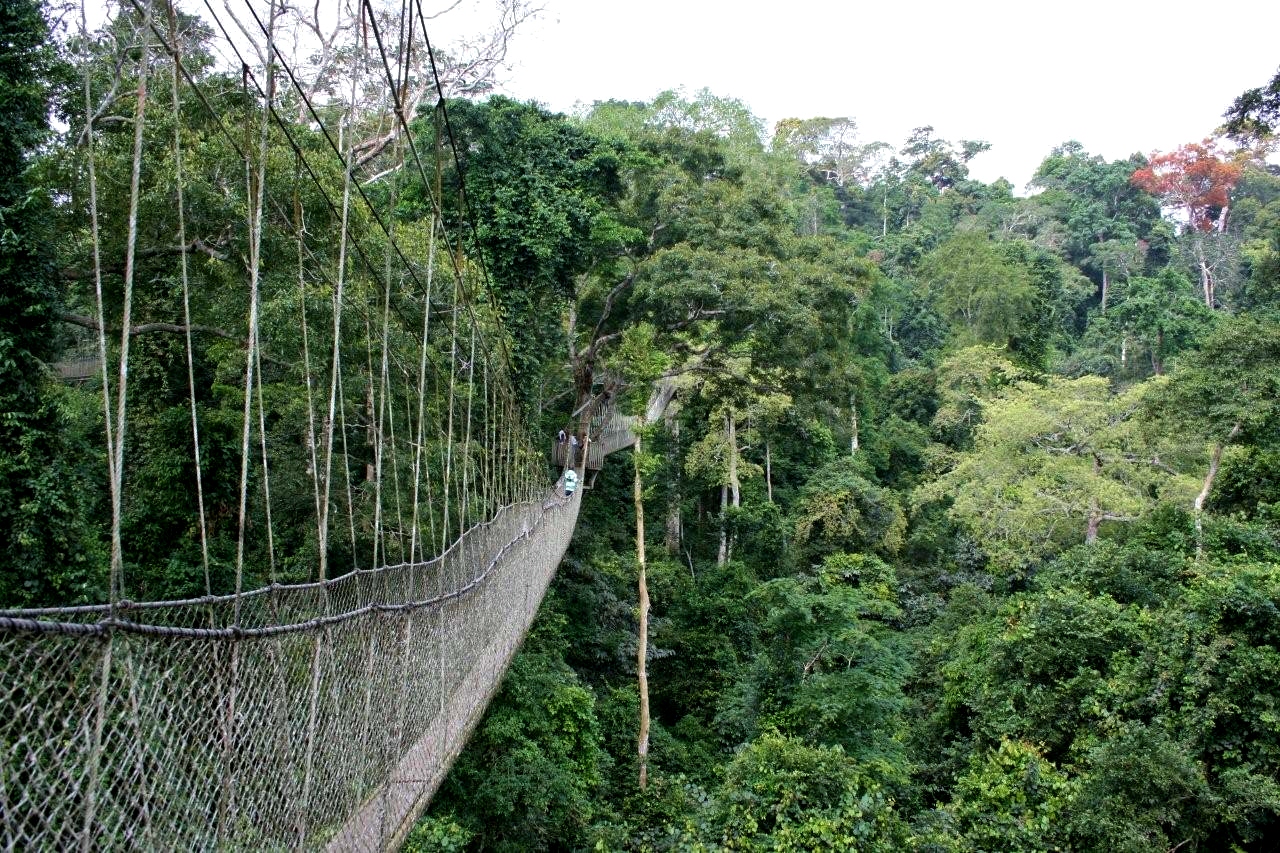
Kakum — The Canopy
A day excursion to Kakum National Park — 375 square kilometres of tropical rainforest and one of West Africa’s best-known canopy walkways. The walkway is suspended 40 metres above the forest floor and offers views into the upper canopy where most of the forest’s biodiversity lives.
The wider forest ecosystem supports species such as forest elephant, bongo, Diana monkey, hornbills and over 250 bird species, although sightings vary. Kakum is the wilderness counterpoint to the coastal forts — nature and history within an hour of each other.
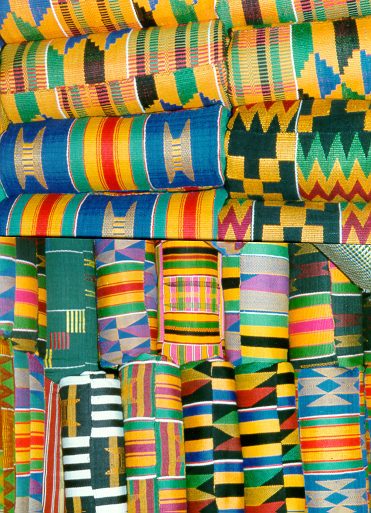
Kumasi — The Kingdom
Fly or drive to Kumasi — the historic capital of the Asante Empire and one of the most significant pre-colonial kingdoms in West Africa. The Asante Traditional Buildings, inscribed by UNESCO in 1980, are the last remaining examples of classical Asante architecture.
Manhyia Palace Museum — the seat of the Asantehene. Kejetia Market — one of the largest open-air markets in West Africa. Kente weaving villages where the cloth is still made on traditional looms. The Ashanti story is one of gold, diplomacy, military resistance, artistic sophistication and cultural continuity.
Mole — The Wilderness
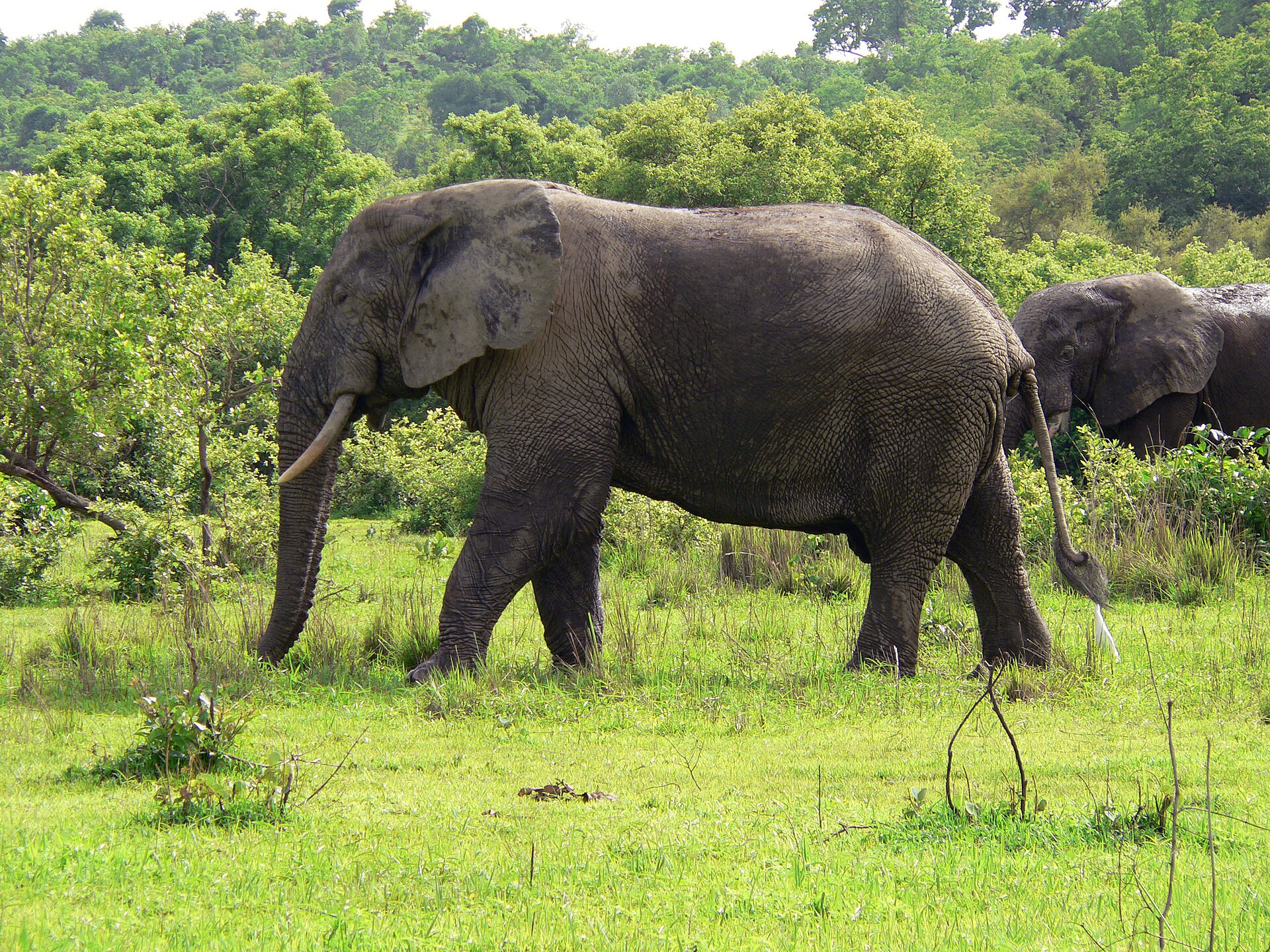
Fly north to Mole National Park — Ghana’s largest wildlife reserve and one of the most significant conservation landscapes in West Africa. The park sits in the Guinea savannah zone: open grassland, gallery forest along seasonal rivers, and waterholes where elephants come to drink at dusk.
Walking safaris with armed rangers — one of the few places in West Africa where guided walking safaris may offer the chance to observe elephants on foot, under ranger supervision. Roan antelope, kob, hartebeest, buffalo, baboons, warthog and over 300 bird species. The Larabanga Mosque — one of Ghana’s oldest mosques, associated with the UNESCO Tentative List context of the Trade Pilgrimage Routes of North-Western Ghana.
Mole is not the Serengeti. It is quieter, less visited, and deeply embedded in the cultural landscape of northern Ghana. For travellers who know East and Southern Africa, this is a different Africa — and that is precisely the point.
Accra — The Return
Private charter from Mole via Tamale back to Accra — approximately one hour by air. A final evening in the capital before international departure from Kotoka International Airport. Optional: Labadi Beach, Makola Market, or a farewell dinner in Osu.
The journey that began with the forts of the Gold Coast and crossed into the Asante heartland ends where Ghana’s independence story began — in Accra.
Distances & Transfers
| Segment | Distance | Transfer | Time |
|---|---|---|---|
| Kotoka Airport → Accra Hotel | 15 km | Private Transfer | 15 min |
| Accra → Cape Coast | 147 km | Private Transfer | 2 hours |
| Cape Coast → Elmina | 13 km | Private Transfer | 20 min |
| Cape Coast → Kakum | 33 km | Private Transfer | 45 min |
| Cape Coast → Kumasi | 170 km | Private Charter | 30 min |
| Kumasi → Tamale | 250 km | Private Charter | 45 min |
| Tamale → Mole / Zaina Lodge | 150 km | Private Transfer | 2–3 hours |
| Mole / Tamale → Accra | 444 km | Private Charter | 1 hour |
All charter flights and road transfers are arranged through selected licensed operators. Distances are approximate. Routings are subject to aircraft availability and final operational validation.
Two UNESCO World Heritage Sites
Fortified trading posts established between 1482 and 1786. Cape Coast Castle and Elmina Castle were among the most significant departure points of the transatlantic slave trade.
The last remaining examples of classical Asante architecture near Kumasi. Connected to the gold trade, political authority and cultural institutions of the Asante Empire.
Designed Around You
This itinerary is a route framework, not a fixed departure. Each Southern Cross journey is privately curated around your dates, travel rhythm, interests and preferred level of comfort. The route can be shortened, extended, or combined with another SCE journey — subject to aviation logistics and operational feasibility.
Most routes combine private road transfers along the coast with domestic flights or private charter segments to Kumasi, Tamale or Mole, depending on aircraft availability and final routing. Ghana can be combined with a wider West African itinerary or serve as a standalone cultural immersion before or after an East/Southern African safari.
Indicative accommodation examples, selected for location and character. Final accommodation is confirmed during private route design. References to UNESCO World Heritage Sites are factual references to sites inscribed on the UNESCO World Heritage List. Southern Cross Experiences is an independent travel company and does not imply UNESCO endorsement of its journeys. All routings, access arrangements and internal flights are subject to availability and final operational validation.