
The Gold Route
The route gold took from the Limpopo valley through the stone kingdoms to the Zambezi. Three UNESCO World Heritage Sites. One medieval supply chain. Ten to fourteen days.
A privately curated journey through kingdoms, wilderness and World Heritage landscapes — for travellers who want to understand the deeper story behind southern Africa.
The Supply Chain of a Medieval Economy
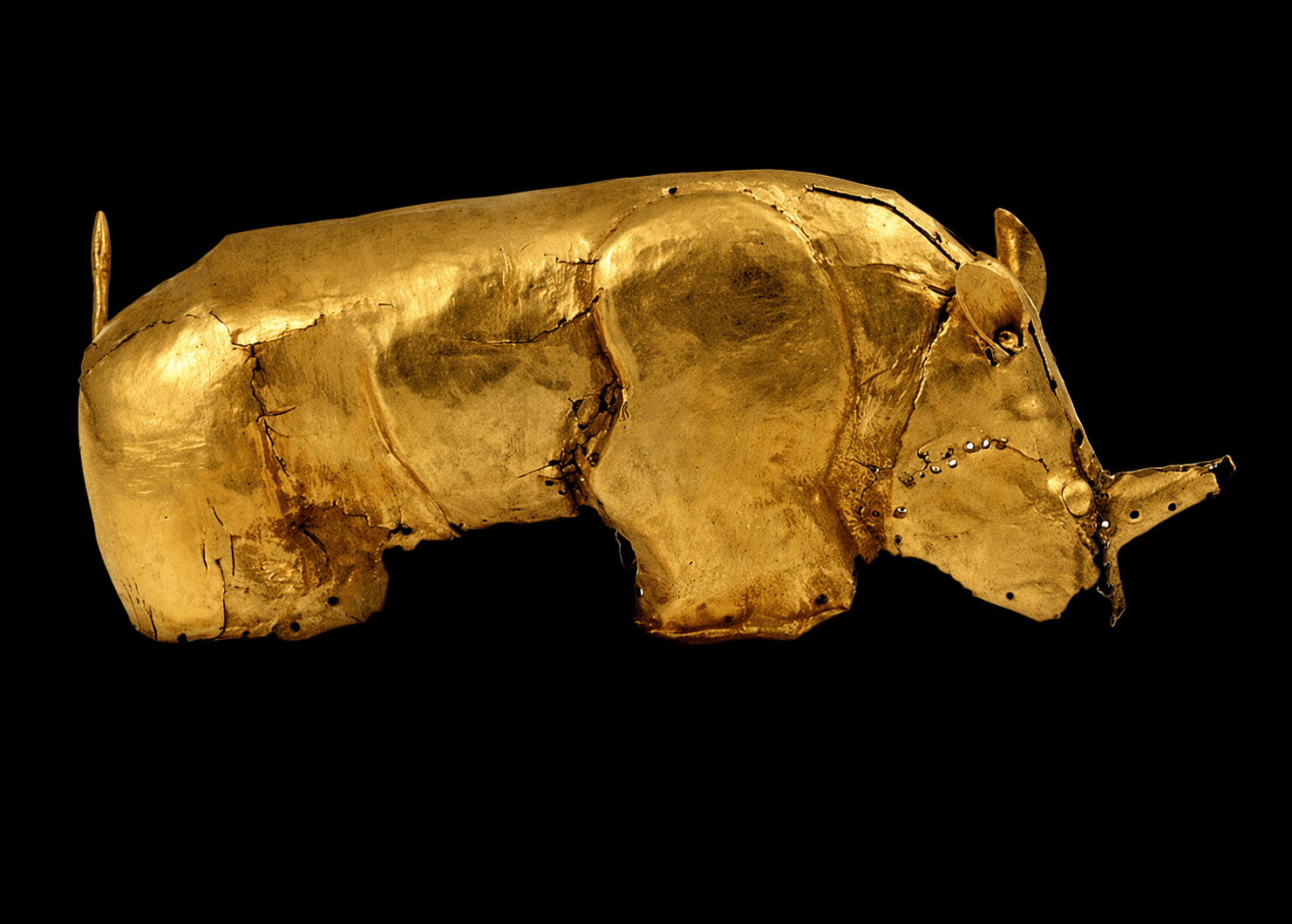
The three UNESCO World Heritage Sites on this route are not a collection — they are stations on a single supply chain. Mapungubwe (2003, Cultural) was the source and early power centre — where gold, status and long-distance trade became the foundation of southern Africa’s first complex kingdom. The gold-foil rhinoceros is its most iconic artefact. Great Zimbabwe (1986, Cultural) was the successor capital — the monumental stone city that controlled and amplified the gold trade for three centuries, its walls the architecture of power and commerce. Mosi-oa-Tunya / Victoria Falls (1989, Natural) marks the route’s dramatic northern threshold — the geological climax on the Zambezi, where the inland gold landscapes meet the wider river systems of southern Africa.
The succession from Mapungubwe to Great Zimbabwe is not coincidence — it is causation. One kingdom declining as the next rises, the trade network transferring from one capital to its successor. Thulamela, deep inside the Kruger National Park, proves the network was a web, not a line: Chinese celadon ceramics found in the bushveld, thousands of kilometres from where they were made. The gold road was not a single road. It was an economy.
Mapungubwe Cultural Landscape
Arrive at the confluence of the Limpopo and Shashe rivers — the site of the first complex state in southern Africa. Mapungubwe rose around 1075 CE, its wealth built on gold traded eastward to the Indian Ocean. The hilltop site, the gold-foil rhinoceros, and the burial goods tell the story of a kingdom that predates Great Zimbabwe by a century.
Guided interpretation of the archaeological landscape, the hilltop and the surrounding sandstone formations. Game drives in the Mapungubwe National Park — elephant, leopard, white rhino along the Limpopo.
Great Zimbabwe & Malilangwe
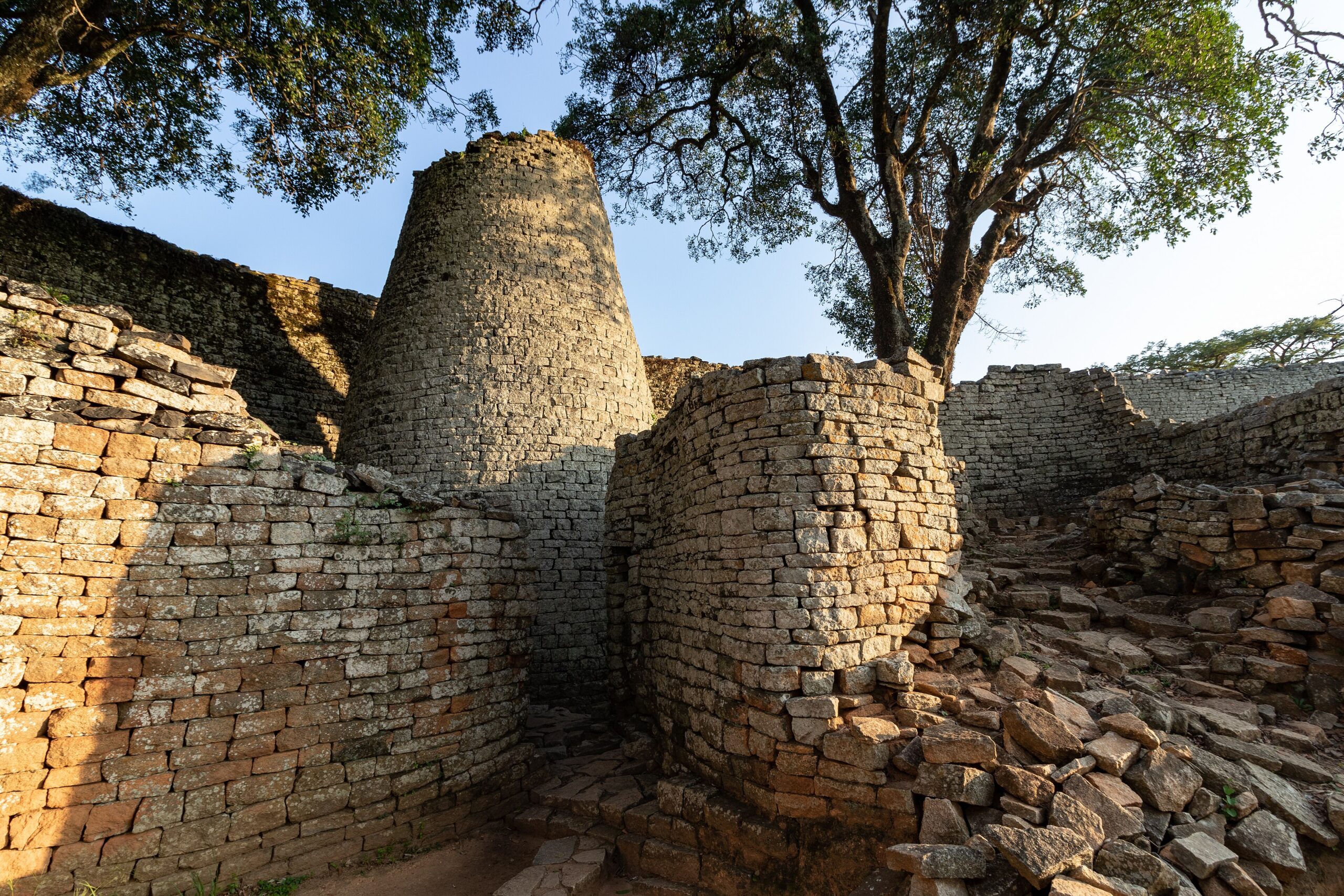
Transfer to the Malilangwe Wildlife Reserve — 115,000 acres of restored wilderness managed by the Malilangwe Trust. From here, a day excursion to Great Zimbabwe: the largest stone structures in sub-Saharan Africa, built without mortar between the 11th and 15th centuries. The Great Enclosure, the Conical Tower, the Hill Complex — commercial architecture that controlled the gold trade for three hundred years.
The connection to Mapungubwe is direct: when Mapungubwe declined around 1220 CE, the trade network transferred to the Zimbabwean plateau. One kingdom’s decline is the next kingdom’s rise. The gold-foil rhinoceros and the stone enclosures are chapters of the same story.
Thulamela & Greater Kruger
Transfer to the Greater Kruger — either by private charter or overland through the lowveld. Thulamela is the archaeological proof that the gold-trade network extended deep into what is now the Kruger National Park. Chinese celadon ceramics, glass beads from the Indian Ocean trade, and gold artefacts found at this 15th-century settlement prove the bushveld was part of a global trade system.
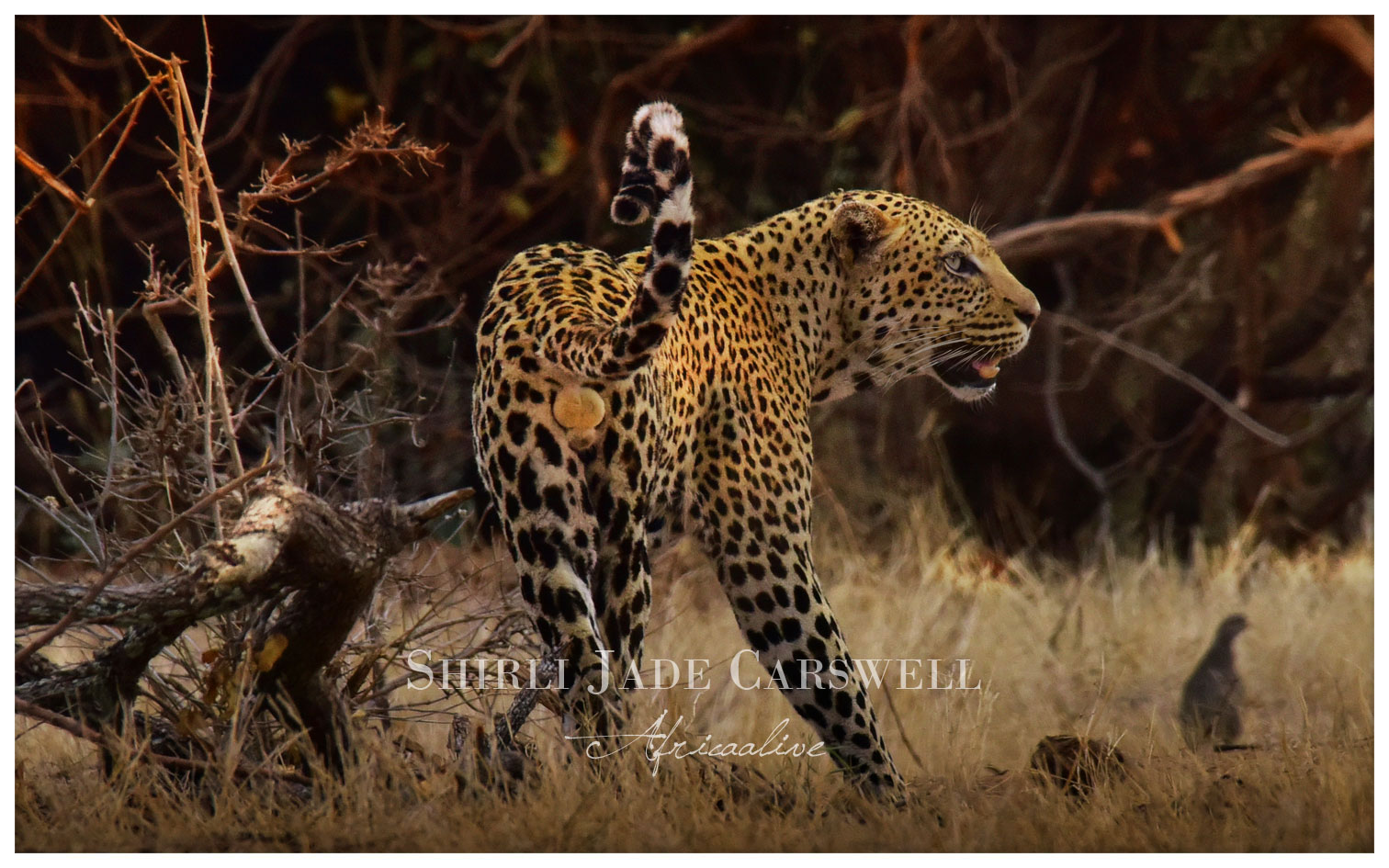
Morning and evening game drives in the Greater Kruger — Big Five territory. The wildlife you see today occupies the same landscape that produced the gold that funded medieval kingdoms. The animals were here before the trade, and they are here after it.
Mosi-oa-Tunya / Victoria Falls
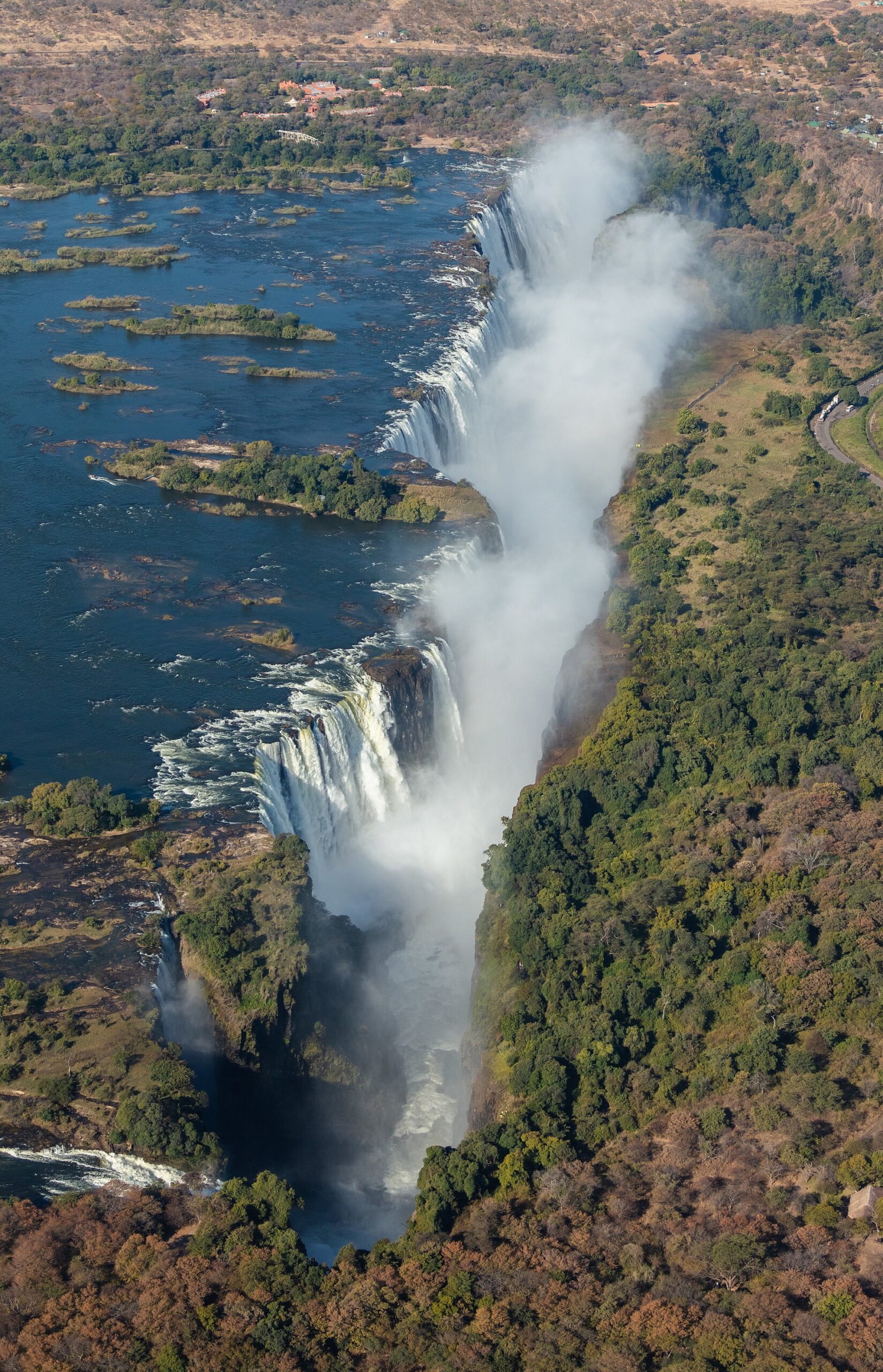
The geological constant. The Zambezi has been cutting its basalt gorges for 150,000 years, indifferent to the kingdoms that rose and fell along its banks. Victoria Falls is the boundary of the gold zone — where the inland gold landscapes met the wider trade networks that connected the interior kingdoms to the Indian Ocean world.
The Gold Route ends where the water begins. From here, the Ancient Waterways route (ATR-5) continues the narrative in reverse — following the trade from buyer to source, coast to interior. Or the journey connects to the Southern Cross Signature Safari southward to Cape Town.
The Heritage Sites on This Route
Mapungubwe Cultural Landscape
The first complex state in southern Africa (c. 1075–1220 CE). Gold production, long-distance trade with the Indian Ocean, and the earliest evidence of social stratification in the region. The gold-foil rhinoceros is the most iconic artefact of pre-colonial southern Africa.
Great Zimbabwe
The largest stone structures in sub-Saharan Africa, built without mortar between the 11th and 15th centuries. Capital of a kingdom that controlled the gold trade. The Great Enclosure, the Conical Tower, and the Zimbabwe Birds are evidence of a sophisticated civilisation that traded with China, India and Arabia.
Mosi-oa-Tunya / Victoria Falls
The world’s largest curtain of falling water. 1,708 metres wide, up to approximately 108 metres high. The dramatic northern threshold of the gold landscapes. The Zambezi marked the transition from the inland kingdoms to the wider trade networks that connected southern Africa to the Indian Ocean world.
Thulamela
A 15th-century stone-walled settlement inside the Kruger National Park. Chinese celadon ceramics, glass trade beads, and gold artefacts prove that the bushveld was connected to a global trade system. In SCE’s route narrative, Thulamela is the network node — the archaeological proof that the gold trade was a web, not a line.
References to UNESCO World Heritage Sites are factual references to sites inscribed on the UNESCO World Heritage List. Southern Cross Experiences is an independent travel company and does not imply UNESCO endorsement of this journey.
Accommodations That Give Back
Mapungubwe access from the Botswana side. Private conservancy, elephant herds, archaeological heritage.
115,000 acres restored by Malilangwe Trust. School feeding, community development. Great Zimbabwe day trip.
On Mnisi community-owned land. Direct revenue to the community. Thulamela and Greater Kruger access.
Tujatane Trust School for 300 children since 1996. Simonga Village projects. Victoria Falls access.