
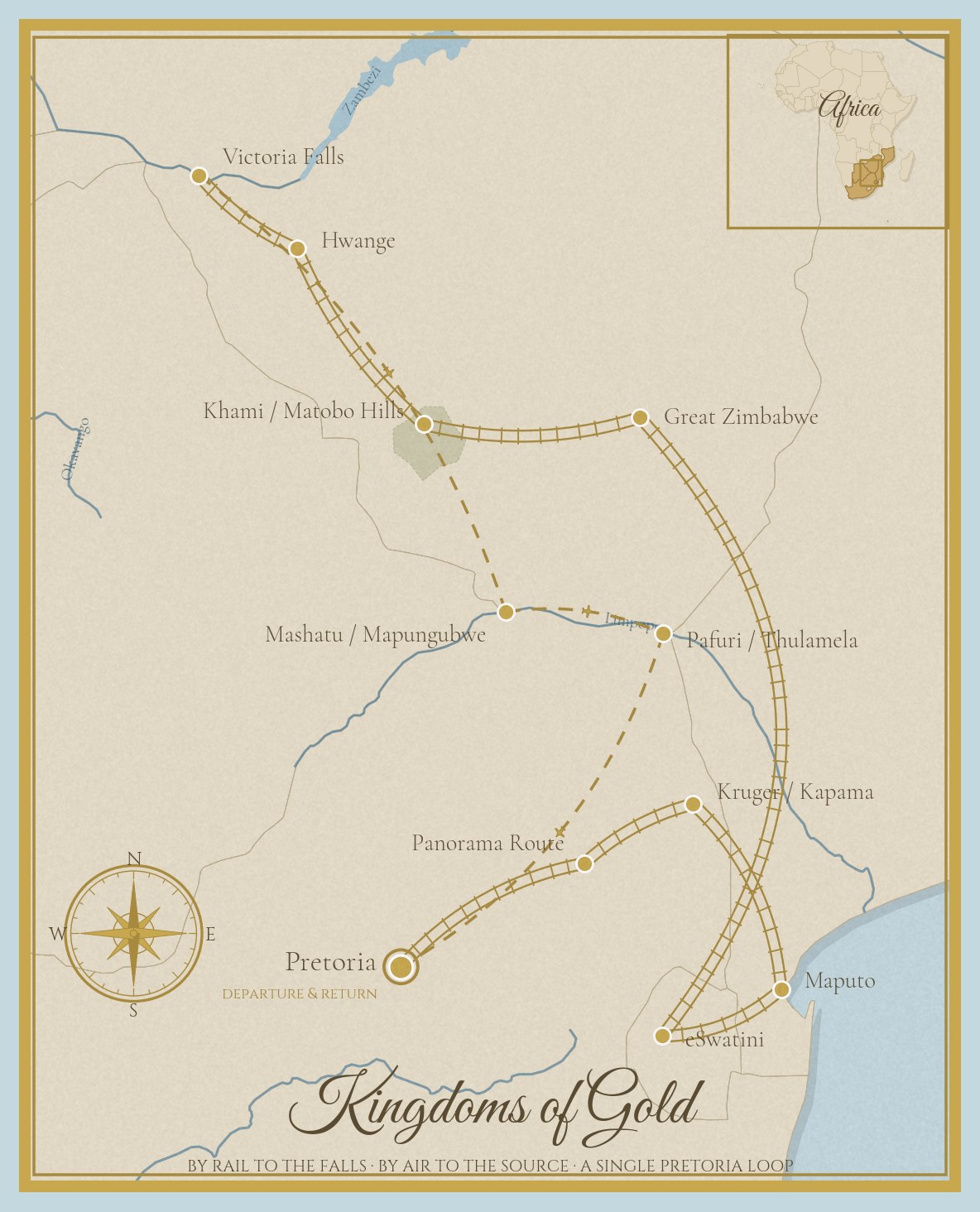
For three centuries a single civilisation — what archaeologists call the Zimbabwe Culture — rose and moved across the land between the Limpopo and the Zambezi. It was built on gold, carried from the interior to the Swahili harbours of the Indian Ocean and exchanged for porcelain, glass and cloth from India, China and Arabia. As soils tired and trade routes shifted, its centres of power moved with the wealth: from Mapungubwe to Great Zimbabwe, to Khami, with Thulamela its southern expression. Four centres, one shared culture, one golden thread.
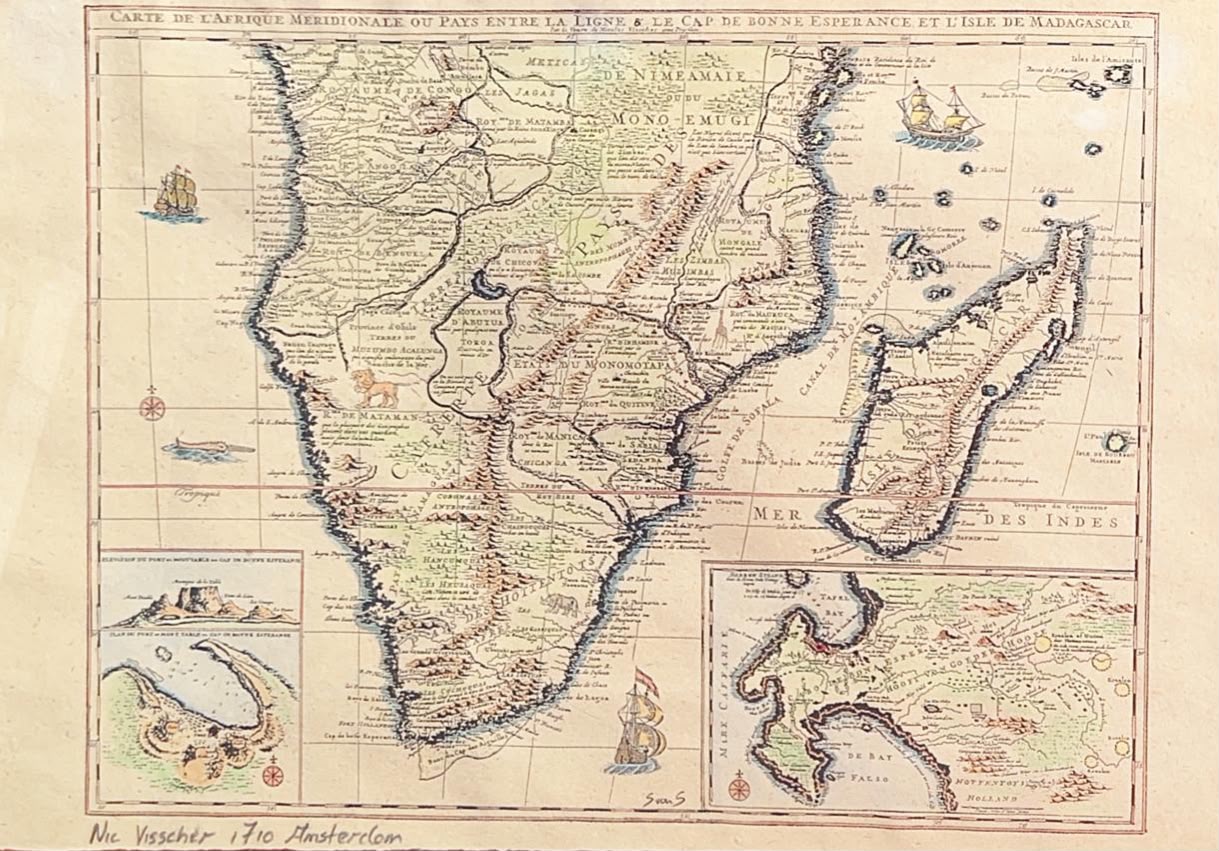
European mapmakers, charting this wealth from the coast, drew a single fabled empire they called Monomotapa — the gold land of legend, which they imagined but never saw. The truth was richer than the myth: not one empire, but a living civilisation whose centres of power shifted across the centuries, each rising as the last declined.
This journey follows that corridor in the way the trade itself once moved — in two rhythms, and as a single loop from Pretoria. It opens before the golden rhinoceros of Mapungubwe itself, then takes to the rails: a long, slow passage aboard Rovos Rail's restored Pride of Africa, climbing north through the cities and walled capitals the gold trade helped shape. Its return is by light aircraft, dropping south across the river wilderness to the corridor's source — and home again to where it began.
Mapungubwe (c. 1220–1290) · Great Zimbabwe (c. 1290–1450) · Khami (c. 1450–1650) · Thulamela — the principal centres of one civilisation, in the order history built them.
Before a single mile of the journey, the traveller stands before the object that gives it meaning — and asks the question the whole journey answers: where did this come from?
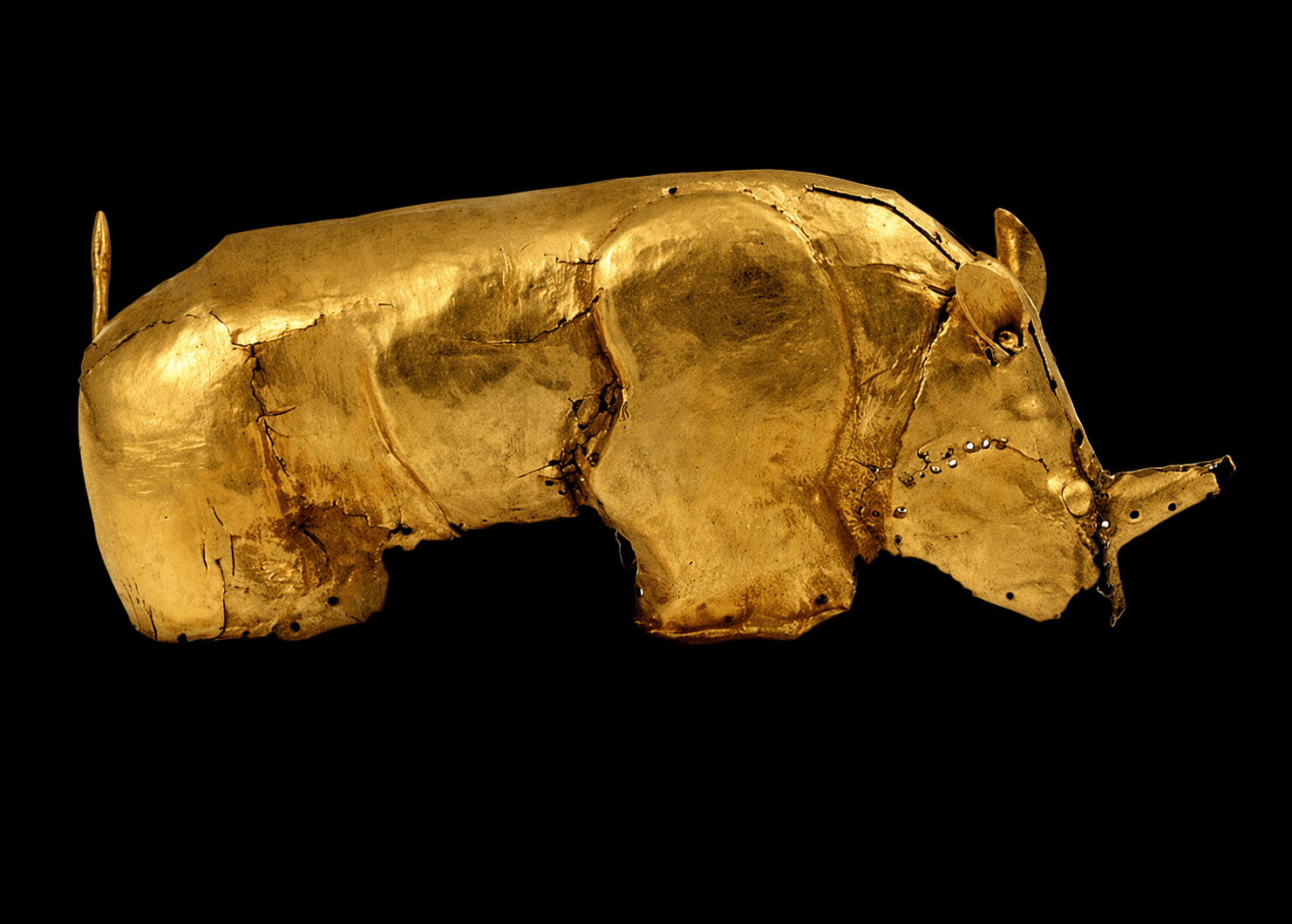
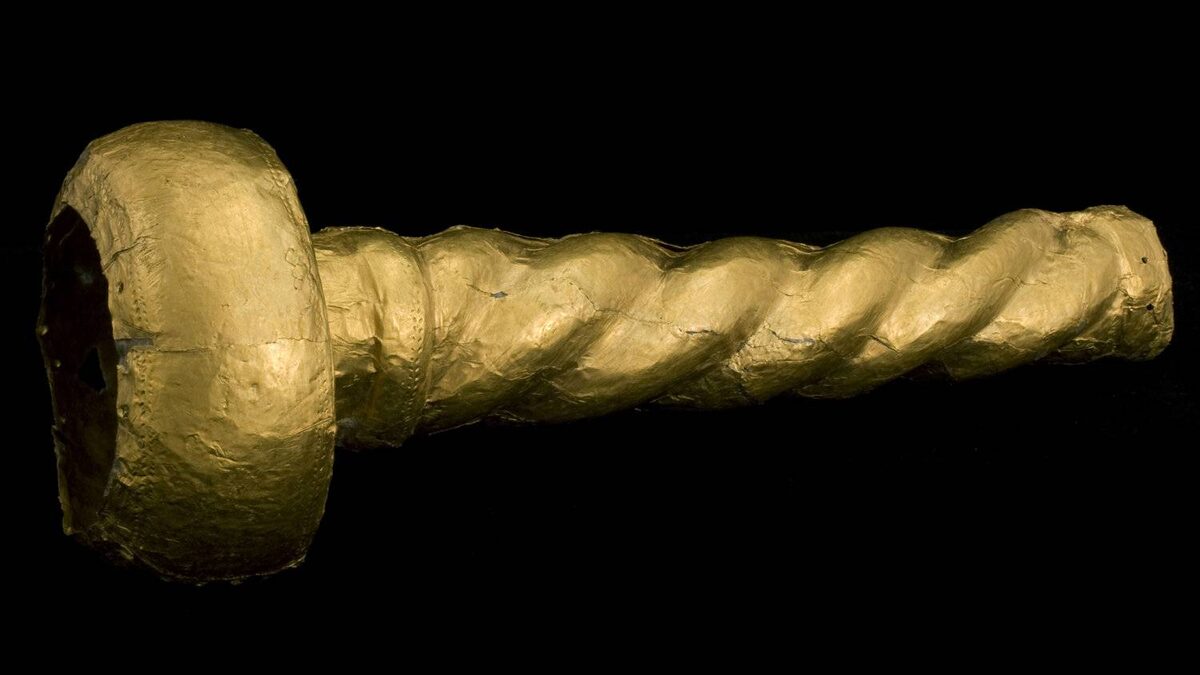

The journey opens not in the landscape but before the treasure that the landscape produced. At the Mapungubwe Collection of the University of Pretoria — the only place in the world where the golden rhinoceros of Mapungubwe may be seen — the traveller meets the rhinoceros, the sceptre and a third great gold object long described as a bowl, though now thought more likely to have been a headdress: the trinity sometimes called South Africa's Crown Jewels. Gold beaten over a wooden core, seven centuries old, found in royal graves above the Limpopo.
Eleven nights climbing northward through four countries — the Highveld, the Lowveld, the coast of Mozambique, the kingdom of eSwatini, and the granite plateau of Zimbabwe — aboard one of the world's great train journeys. The corridor is the deeper layer beneath a magnificent passage; these are the threads of gold we follow through it.
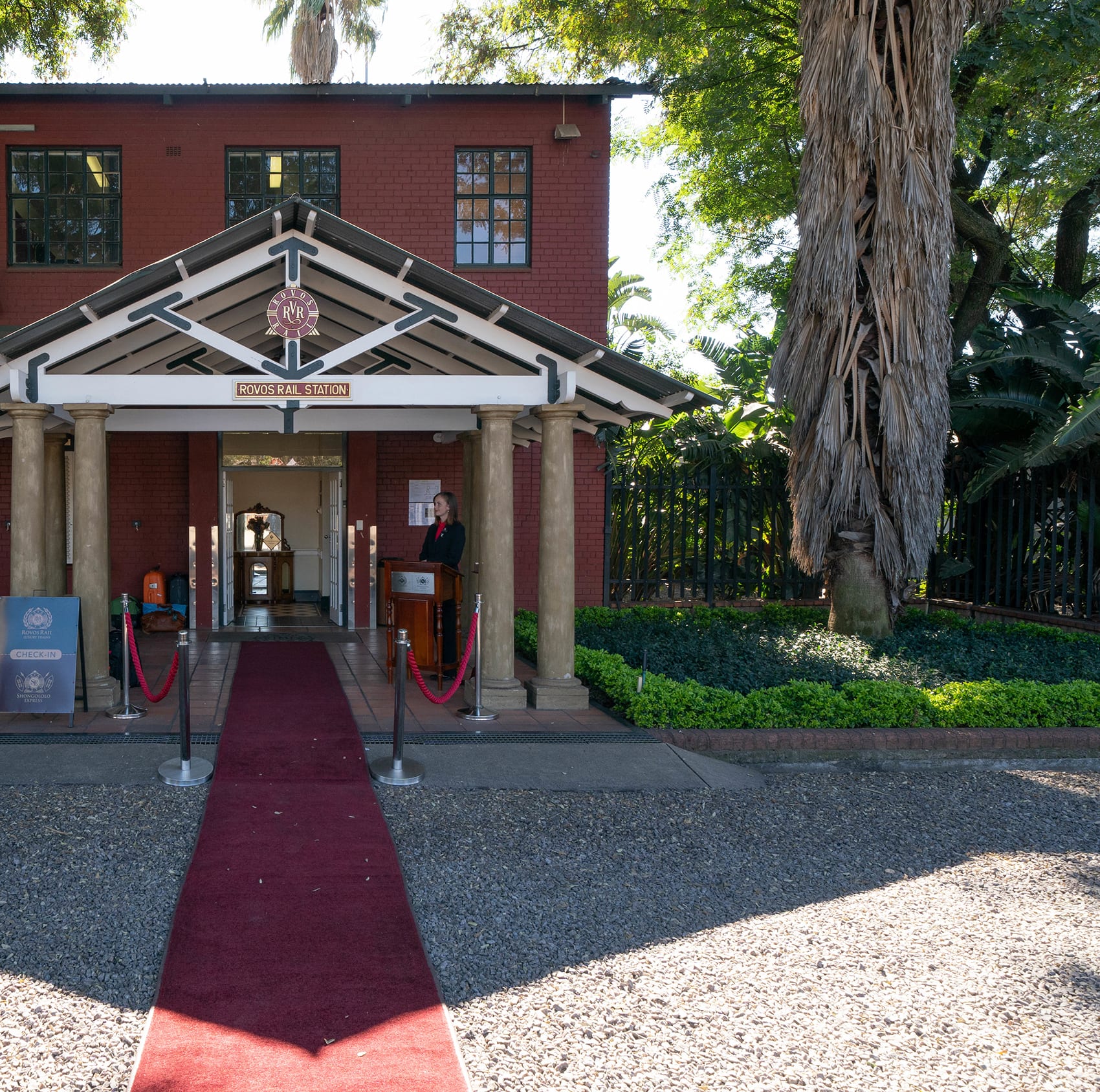
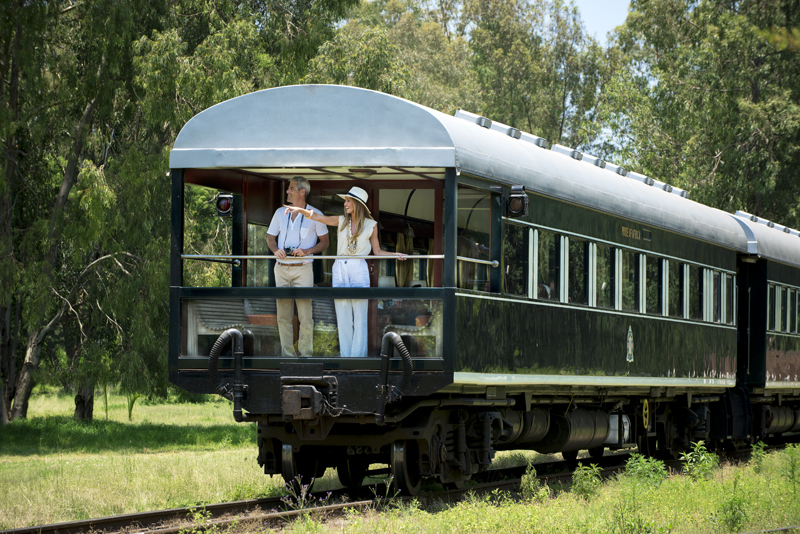
The journey takes to the rails at Rovos Rail's private Victorian station in Pretoria, where the Pride of Africa waits under its own platform. By mid-morning the train pulls north and east across the high interior, and the afternoon is for settling into wood-panelled comfort as the Highveld unspools — the first miles of a line whose builders chased the same eastward route to the sea that the gold caravans had used for centuries.
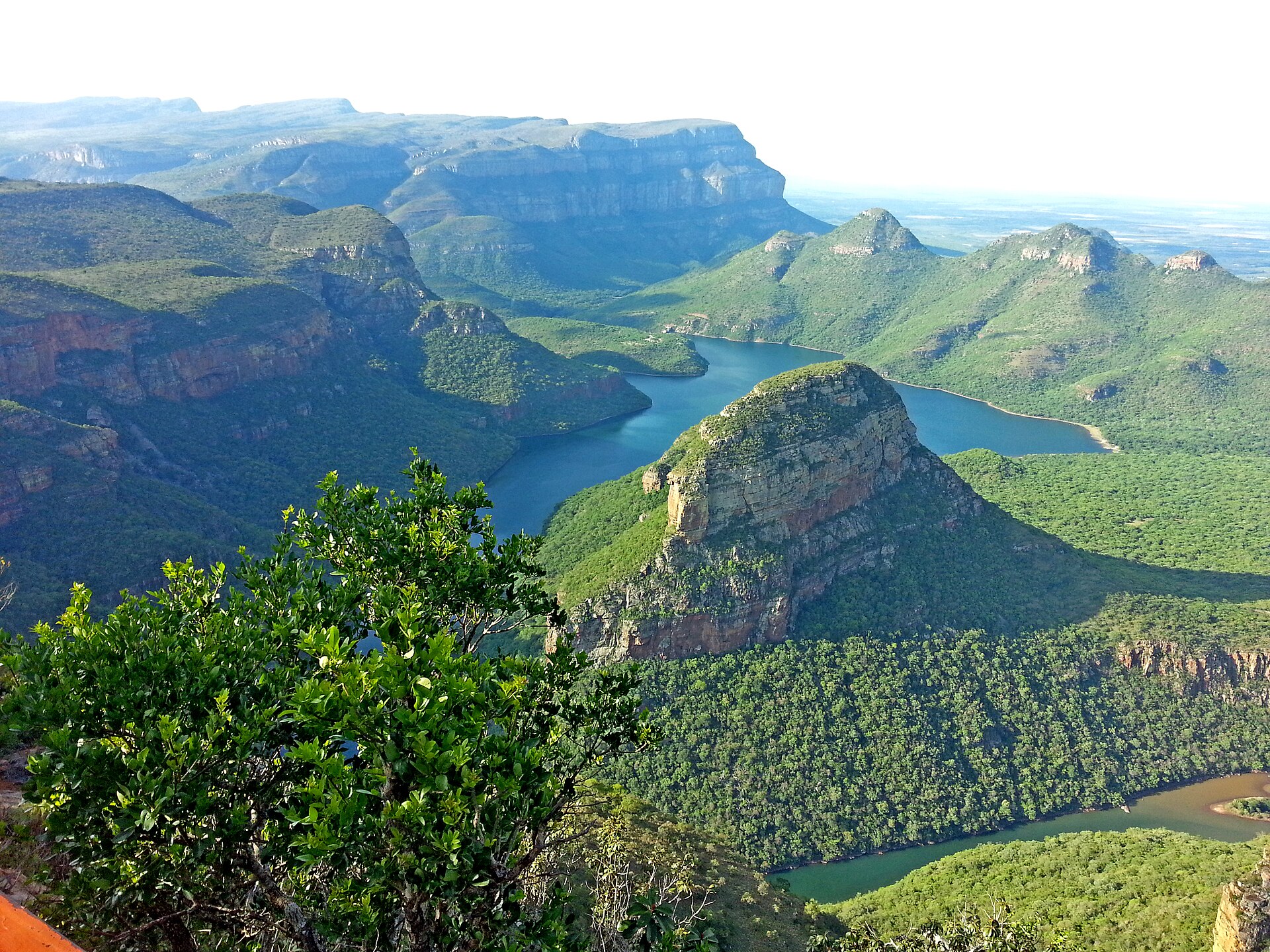
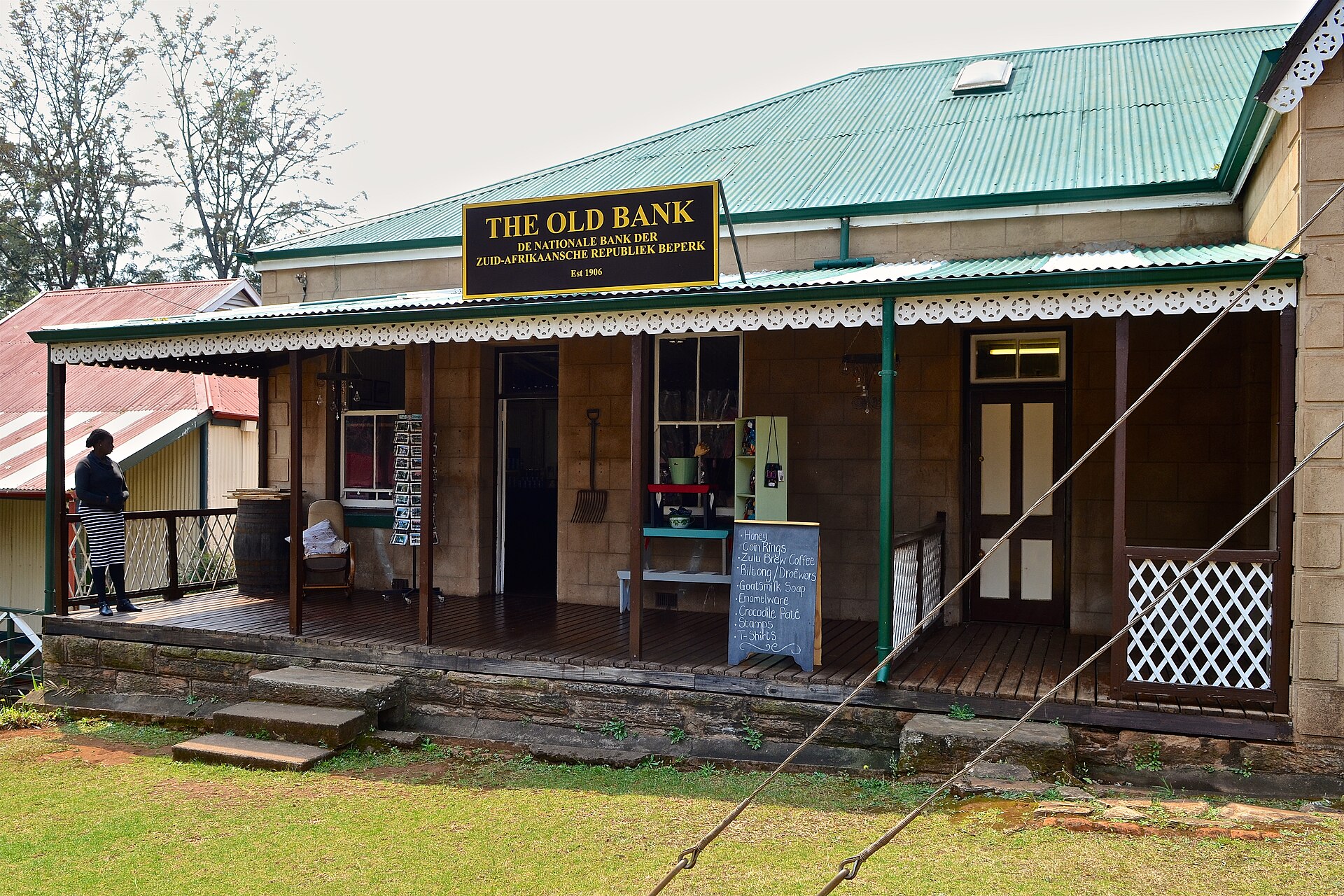
A full day along the escarpment of the Panorama Route: the strange cylindrical cavities of Bourke's Luck Potholes, the spectacular viewpoint over the Blyde River Canyon, and the living gold-mining museum of Pilgrim's Rest — a deliberate prologue to the ancient story.
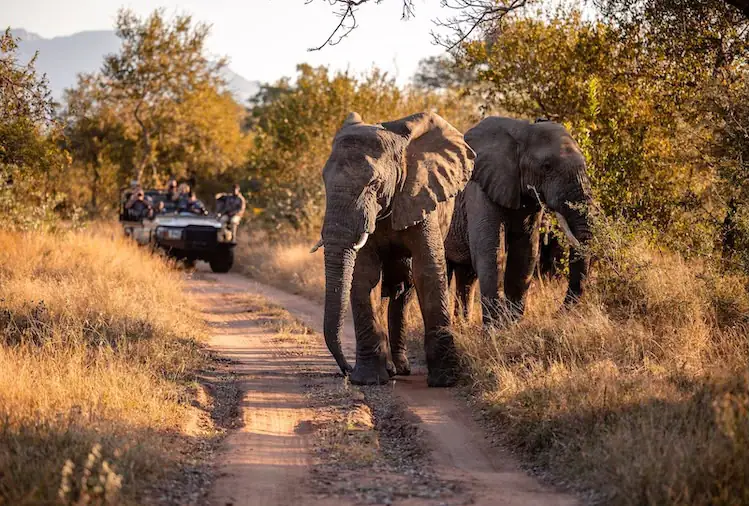
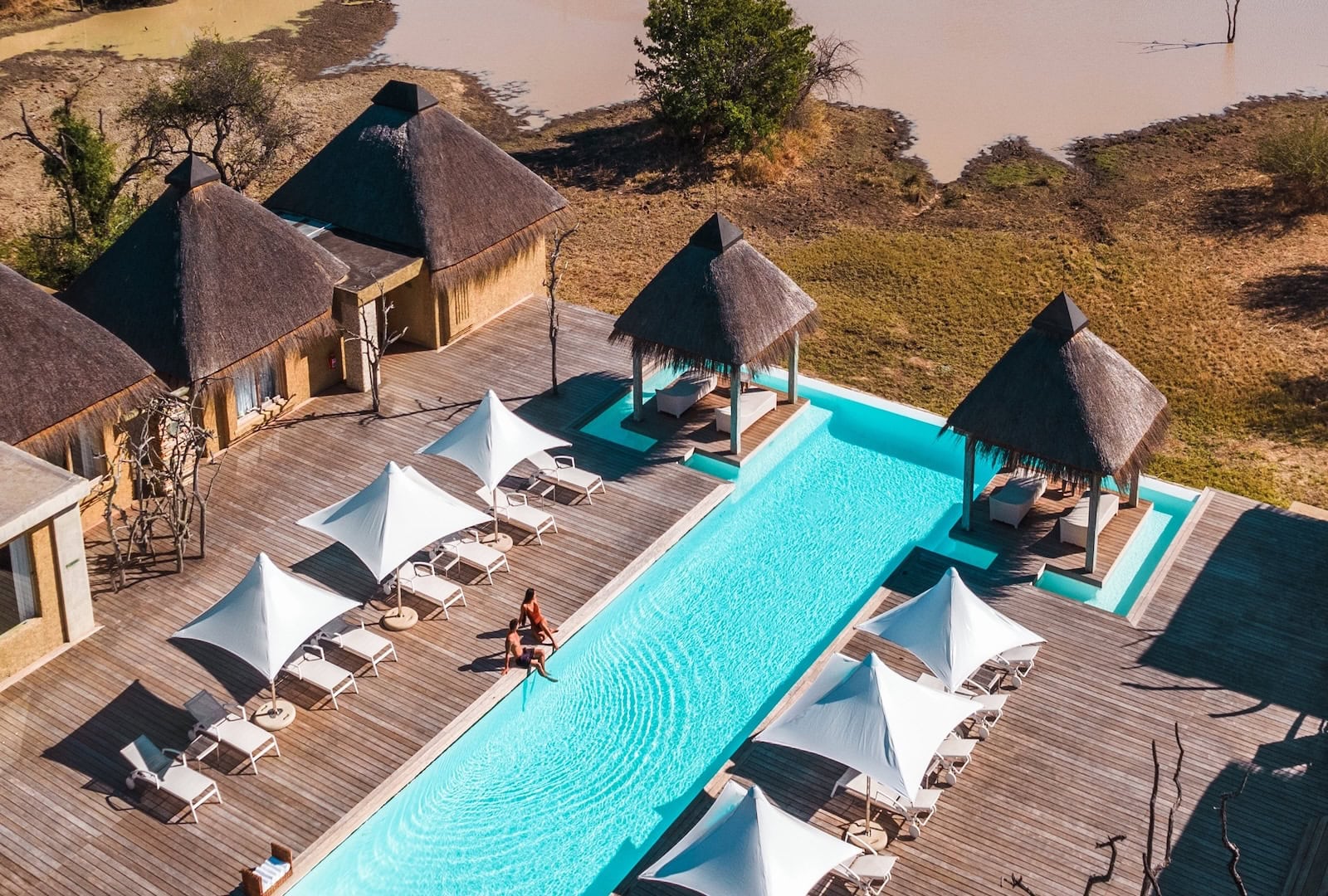
A day of game viewing in the Greater Kruger — one of the most successfully managed wildernesses on earth — before the train turns toward the coast. Here the route leaves the gold corridor for a time and travels toward its horizon: the Indian Ocean the gold was always moving toward.
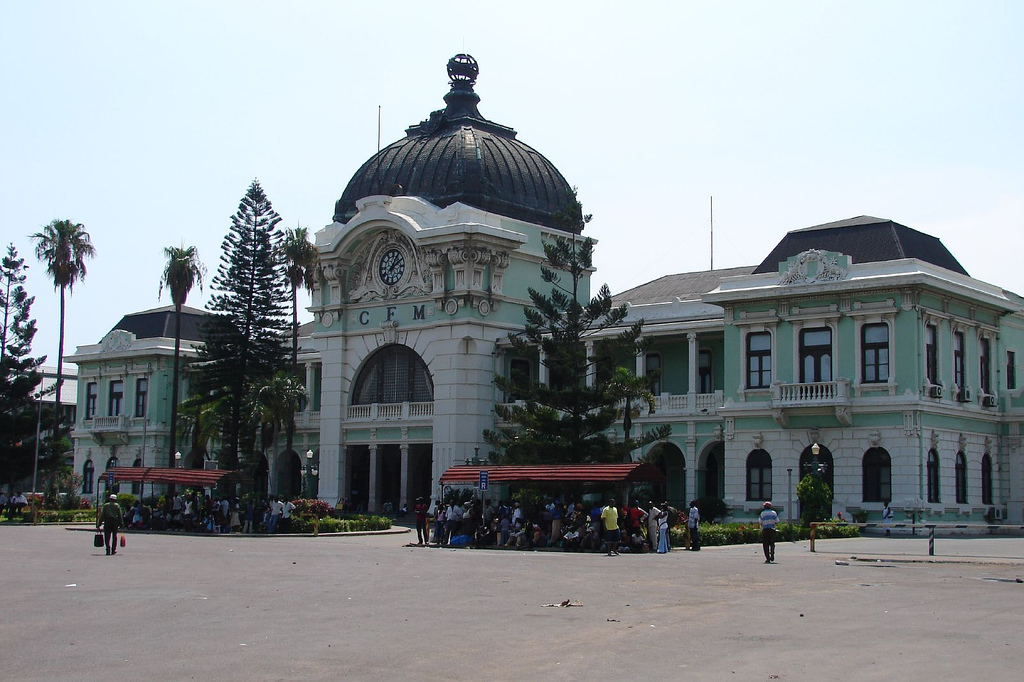
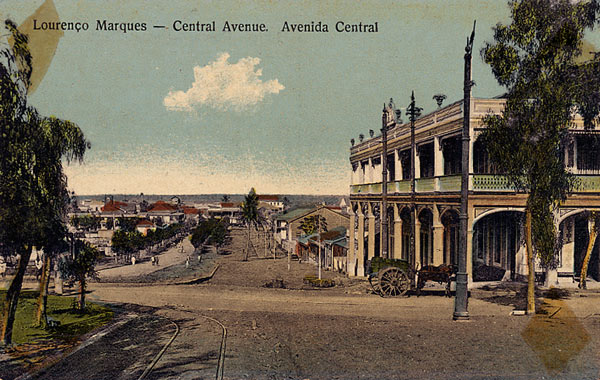
A morning tour of Maputo, capital of Mozambique — layered in African, Portuguese and colonial architecture. Maputo is not presented here as the historic port of the gold trade — those lay further north, at Sofala and the Swahili coast — but as the journey's Indian Ocean threshold: a coastal pause that lets the traveller grasp the direction in which the interior's wealth once moved. To stand here is to face the far end of the thread.
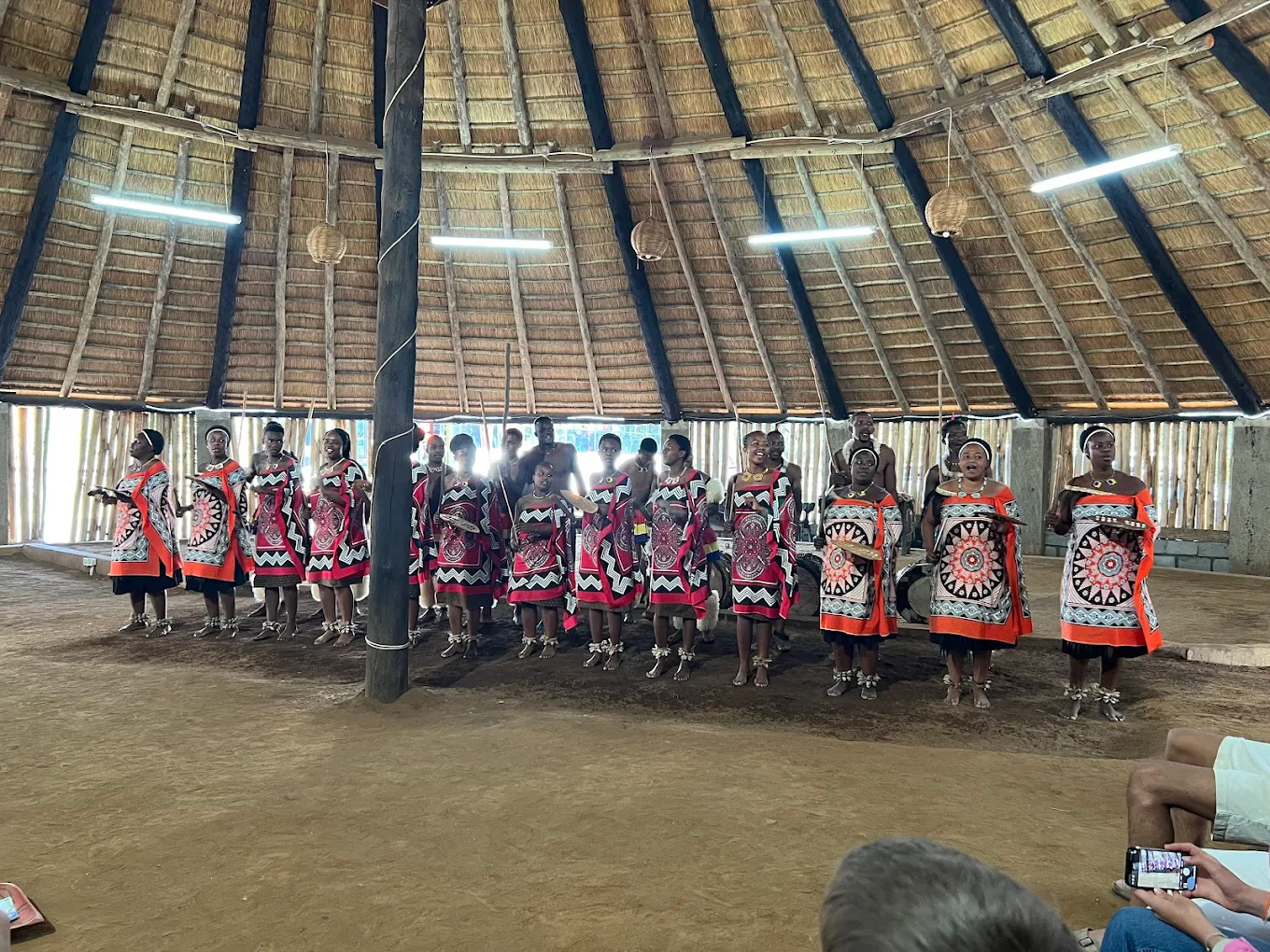
Into the mountain kingdom of eSwatini — the Mantenga cultural village, a living museum of nineteenth-century Swazi life beneath the silhouette of Execution Rock. On a journey about vanished kingdoms, eSwatini offers what the ruins cannot: a kingdom that never fell. It is the corridor's living counterpoint — proof that the stone walls expressed a statecraft that still endures in this region.
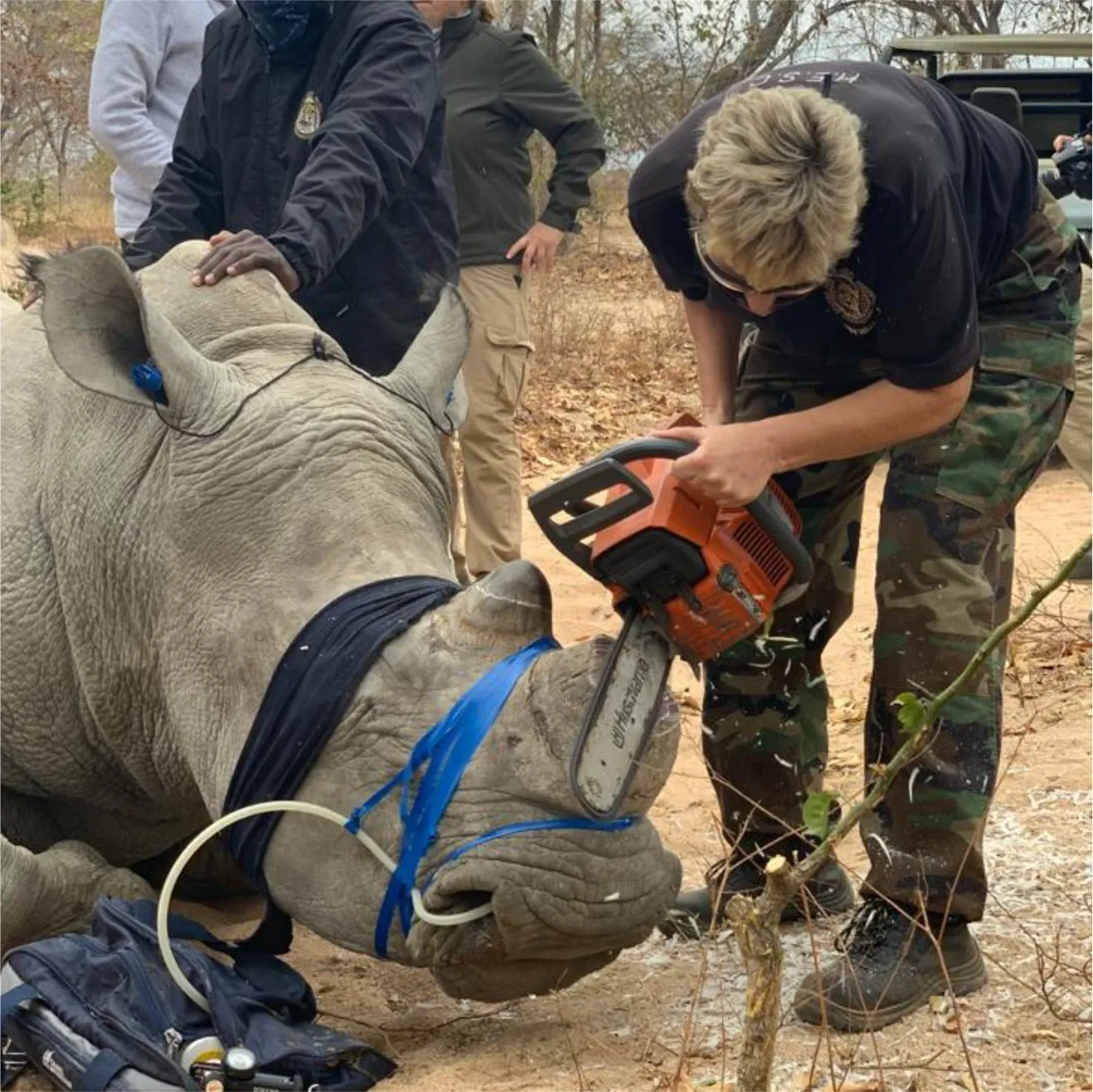
A visit to the Hoedspruit Endangered Species Centre — a conservation facility focused on rare and threatened species and anti-poaching — before the train climbs back toward the interior, leaving the coast-bound horizon behind and turning, at last, fully into the gold corridor.
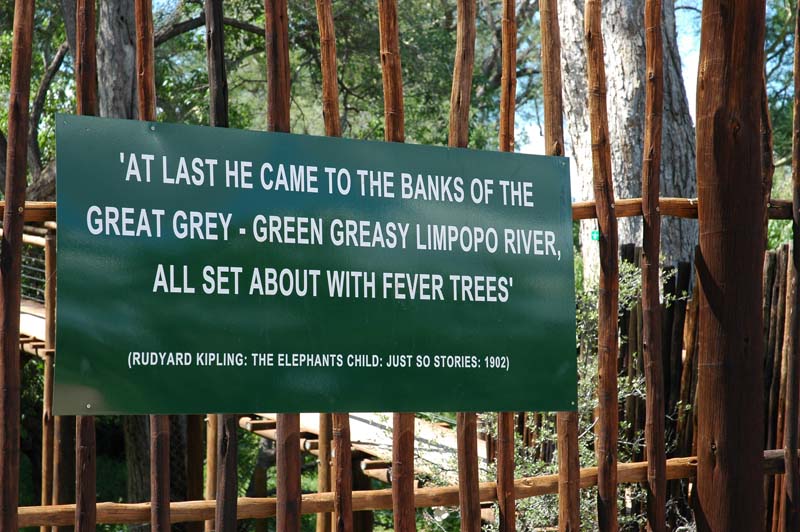
A full day aboard as the Pride of Africa crosses the Limpopo into Zimbabwe, through mopane woodlands dominated by ancient baobabs. The Limpopo is not merely a border: it is the river down which Mapungubwe's gold once moved toward the sea. From here northward, every major stop is a kingdom of gold.
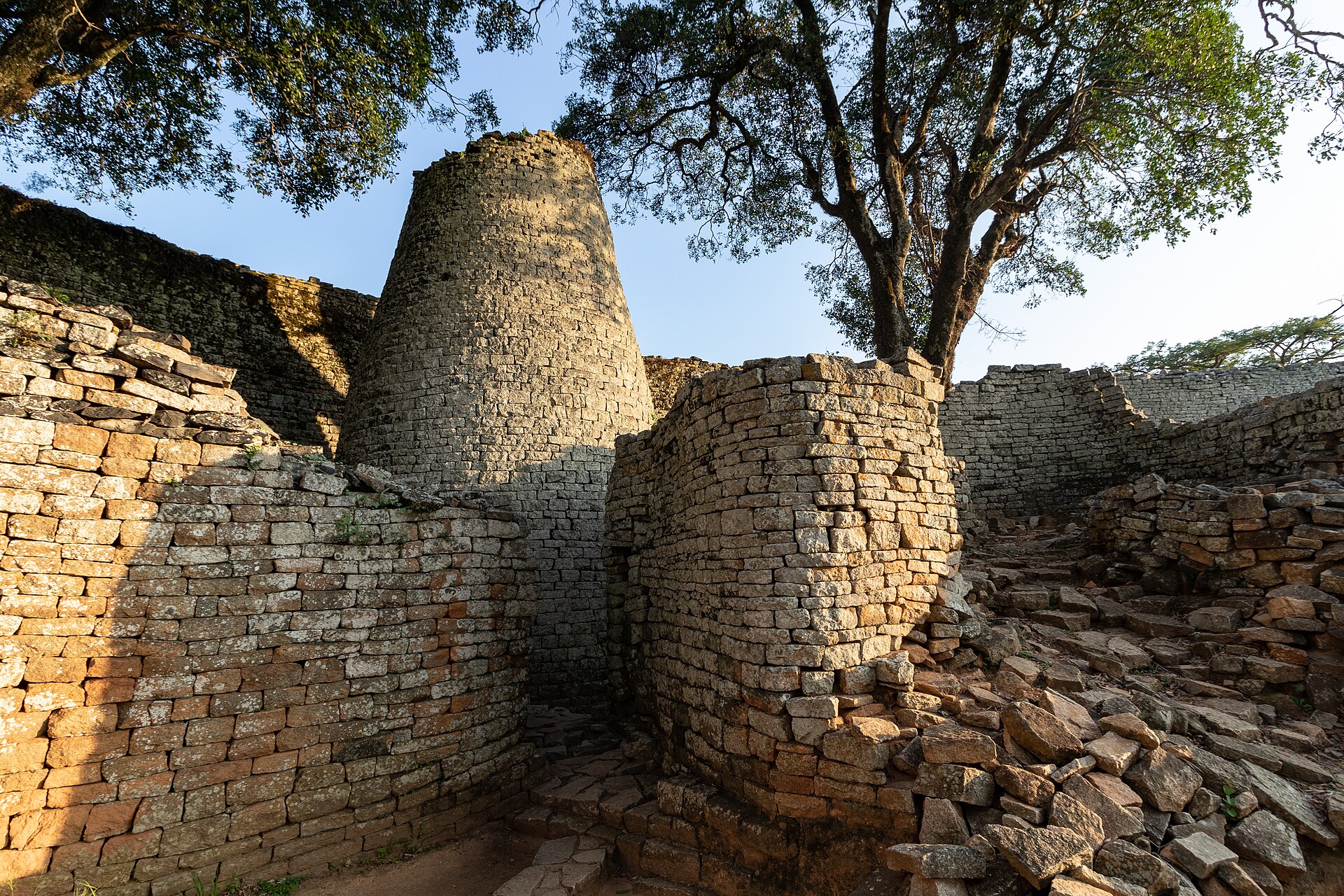
Through granite hill country to the Great Zimbabwe Monument — mortarless dry-stone walls raised by the ancestral Shona, the celebrated seat of the corridor's most powerful chapter. To walk the Great Enclosure is to stand inside the heart of the gold world.
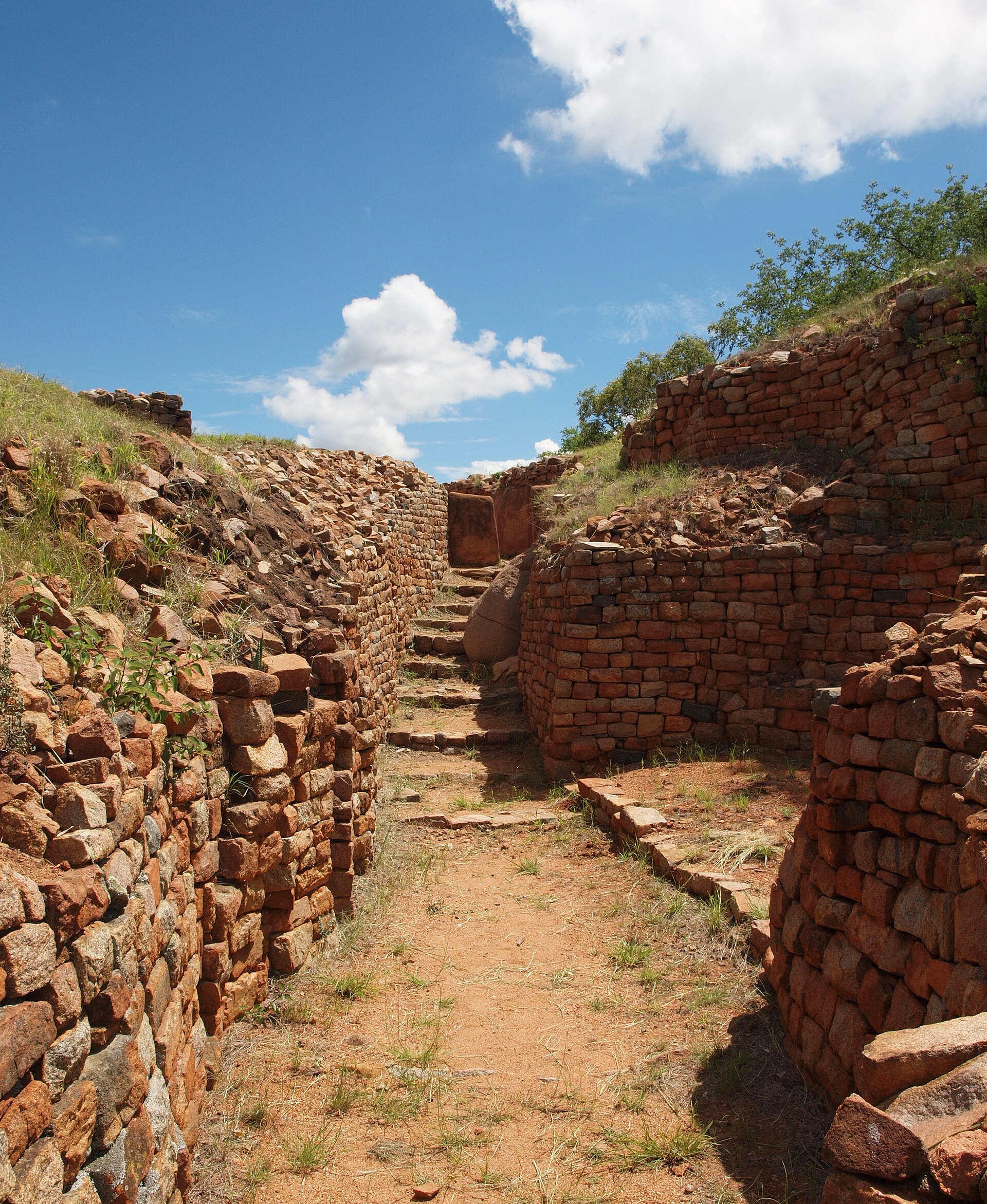
This is the day that completes the journey. In place of the conventional stop, the Pride of Africa carries you to Bulawayo, and from there a short excursion reaches the Khami Ruins — Zimbabwe's second-largest stone monument and the least-known of the great capitals. Terraced platforms and decorated walls overlook the Khami River; the King's Residence rises in tiers above the valley.
This stop reflects Southern Cross's own curation of the route, in place of the conventional itinerary. The Khami visit is arranged as a private excursion from Bulawayo and is subject to rail timing, local operating permissions and confirmed ground arrangements; where the standard schedule does not allow it, Khami may be arranged as a private rail extension. Khami is not merely an alternative — it is the station that makes the entire gold corridor make sense.
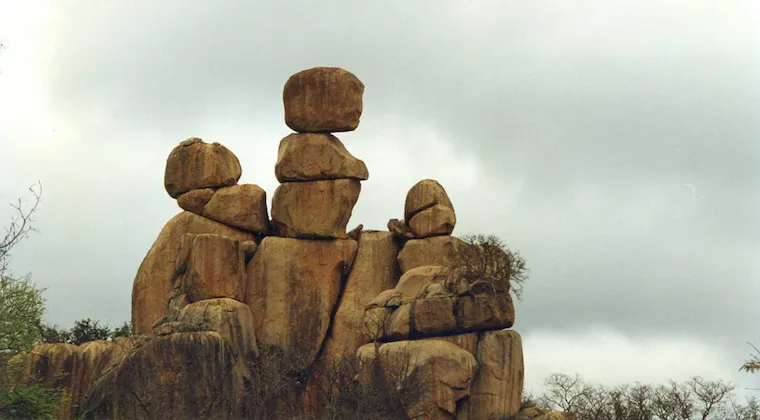
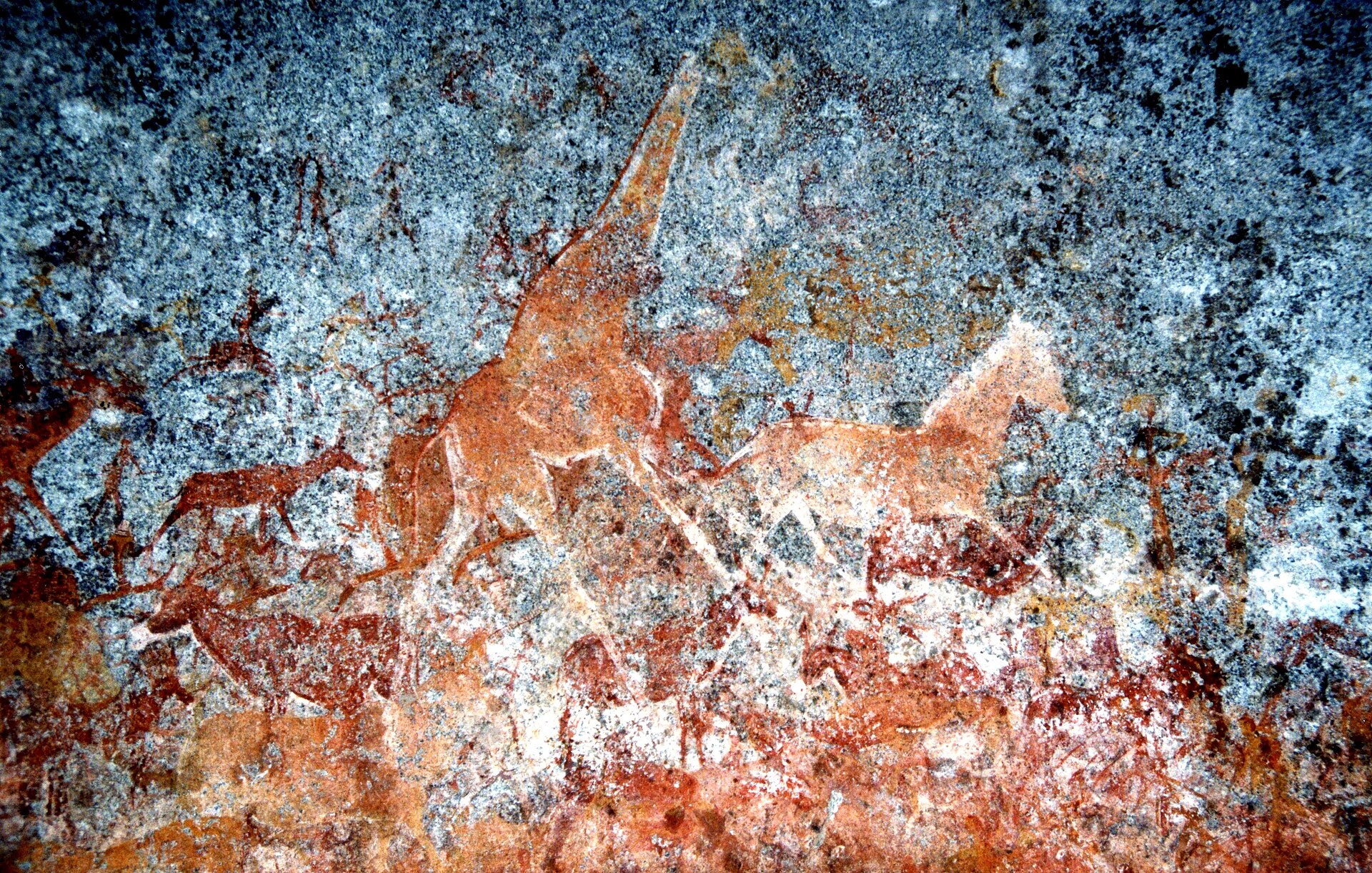
A full day in the Matobo Hills — balancing granite domes and whaleback kopjes, one of the oldest sacred landscapes in southern Africa, holding some of the region's finest San rock paintings. It carries the deep human time beneath the gold story: a landscape revered long before the kingdoms rose and long after they fell.
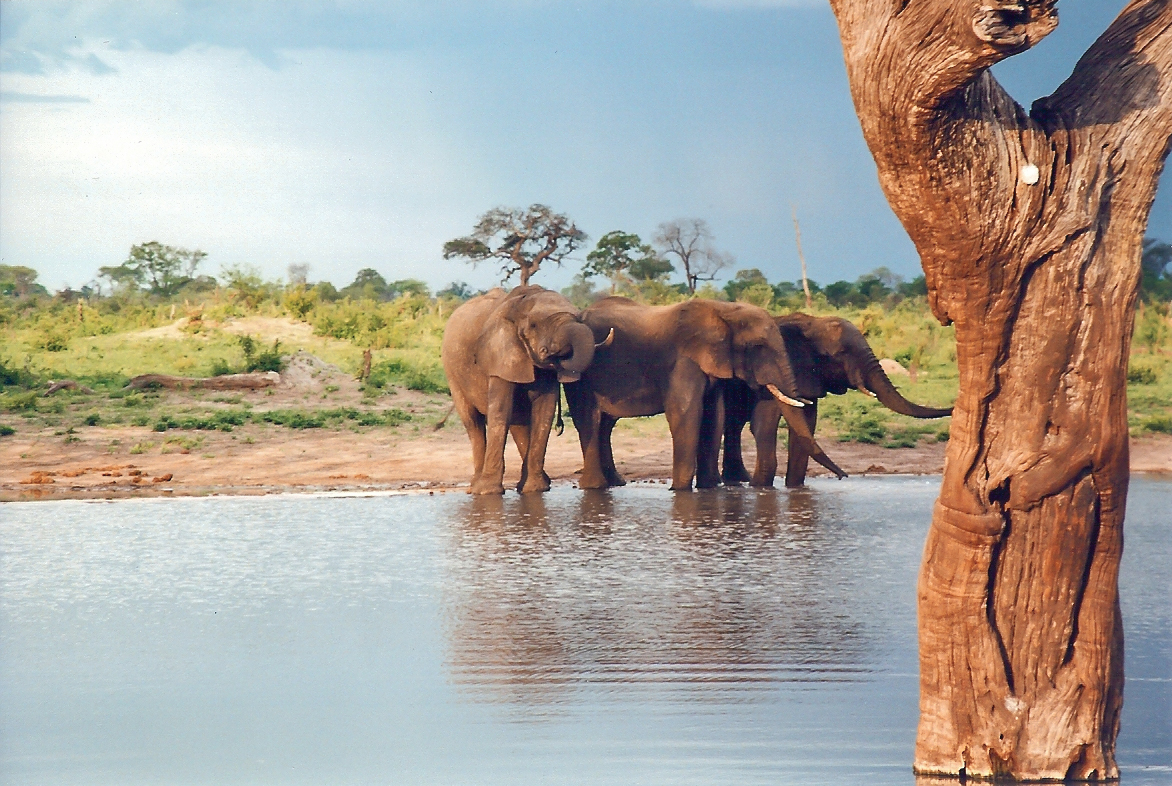
An early dawn game drive in Hwange — Zimbabwe's largest national park, famous for its elephant herds and lions — before the train runs northwest through the night toward the Zambezi. The corridor narrows now to its northern edge.

The rail journey ends at the little colonial station of Victoria Falls. A walking tour brings you to Mosi-oa-Tunya, the Smoke that Thunders — the Zambezi falling over a hundred metres into a basalt chasm more than a mile wide. A sunset cruise, a helicopter flight over the falls, and dinner on the riverbank mark the turning point: here the train is left behind, and the journey takes to the air.
A concentrated return south, arranged through selected licensed aviation partners — across the river wilderness, to the source of the gold corridor, and home to Pretoria, where the story is sealed before the gold itself.
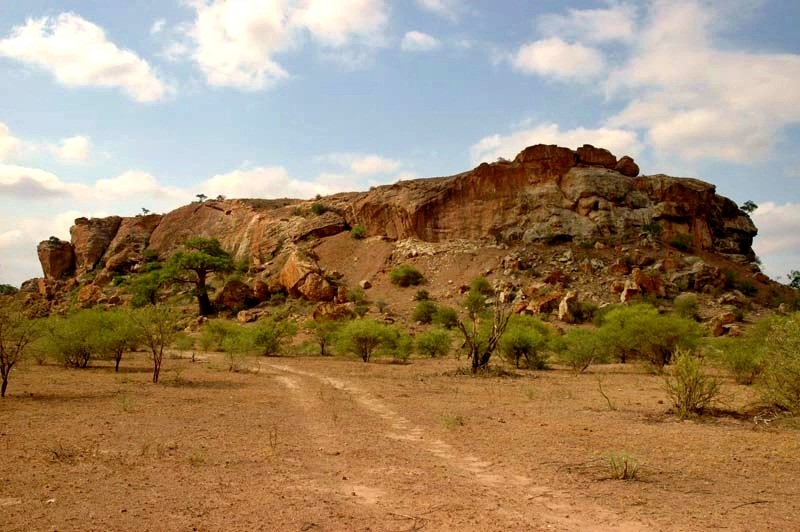
South to the meeting of the Limpopo and Shashe, where Botswana, South Africa and Zimbabwe converge — the place where the whole story began. Mashatu, the ‘Land of the Giants', offers the river wilderness and its great elephant herds; across the confluence lies Mapungubwe itself, the oldest of the kingdoms and the cradle of the entire Zimbabwe culture, abandoned seven centuries ago and rediscovered only in 1932. The programme includes a guided visit to the Mapungubwe Cultural Landscape, subject to border, transfer and park-access arrangements.
Accommodation: a five-star camp at the river confluence, with Big Five wilderness on the doorstep. Indicative example; final accommodation confirmed during private route design.
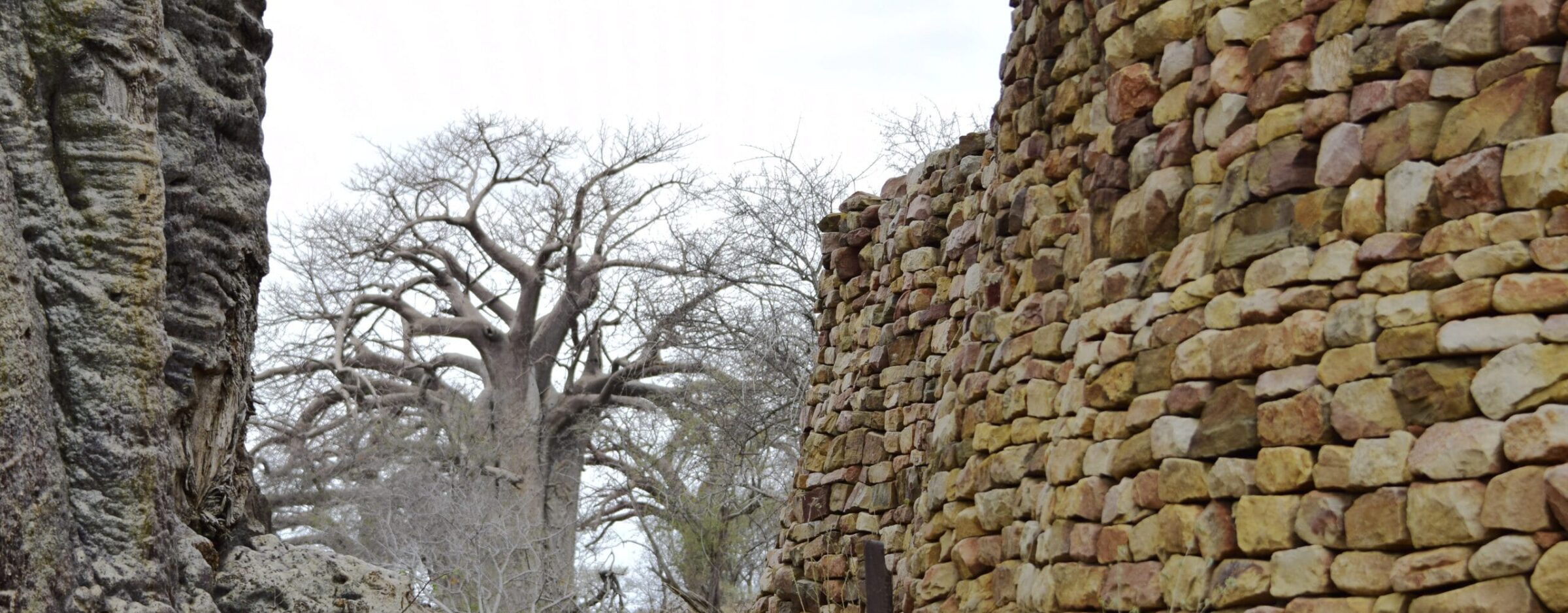
A short flight to the far north of the Kruger and the Makuleke concession at Pafuri — a confluence of rivers, fever-tree forests and baobabs. On a ridge above the Luvuvhu stands Thulamela, a restored stone-walled settlement of the same Zimbabwe tradition, occupied into the seventeenth century. (Thulamela is a declared National Heritage Site, not a UNESCO World Heritage Site.)
Accommodation: an intimate riverside camp in the Makuleke wilderness, guided in partnership with the community whose ancestral land this is. Indicative example, selected for its relationship with community and conservation; final accommodation confirmed during private route design.
A flight south returns to Pretoria, where the journey began eighteen days earlier. The traveller has now seen both the gold and the world that made it — the rhinoceros in its case on the first morning, and across the seventeen days since, the four kingdoms that produced it: Mapungubwe, Great Zimbabwe, Khami, Thulamela, read in the landscape itself. The question asked before the first mile has been answered by the whole journey. The loop is closed.
This itinerary is a route framework, not a fixed departure. Each Southern Cross journey is privately curated around your dates, travel rhythm, interests and preferred level of comfort. The loop can be shortened, extended, or combined with another SCE journey — a Cape Town or Zambezi gateway — subject to rail schedules, aviation logistics and operational feasibility.
The rail passage is operated by Rovos Rail; the fly-in return and stations, pacing and accommodation are arranged around you. Days may be added, removed or exchanged.
References to UNESCO World Heritage Sites are factual references to sites inscribed on the UNESCO World Heritage List: Mapungubwe, Great Zimbabwe, Khami, Matobo Hills and Mosi-oa-Tunya. Thulamela is a declared National Heritage Site and is not a UNESCO World Heritage Site. Southern Cross Experiences is an independent travel company and does not imply UNESCO endorsement of its journeys. Rail travel is operated by Rovos Rail; the Khami stop reflects Southern Cross's own route curation and is subject to confirmation. Aviation is arranged through selected licensed operators, subject to availability and operational validation. Accommodation and routing shown are indicative; final arrangements are confirmed during private route design.